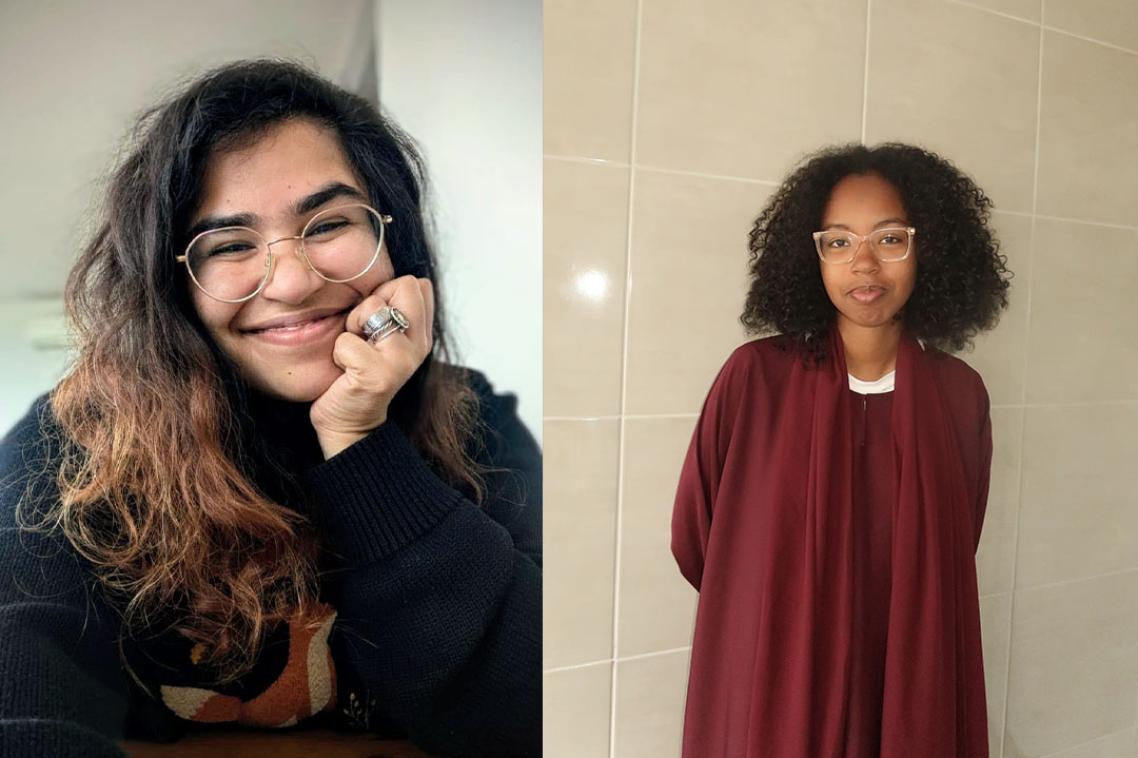
Greek Island culture shines in Ionian diaspora exhibition
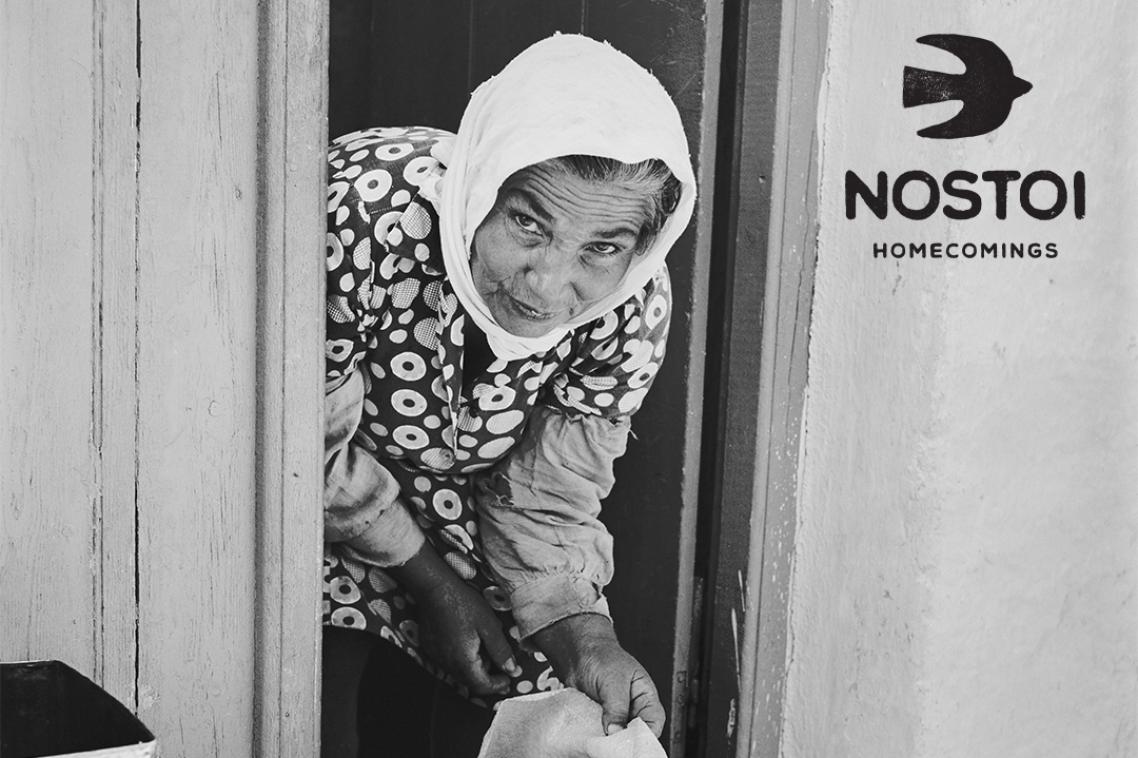
(Photo credit: Chrys Zantis )
The exhibit, ΝΟΣΤΟΙ | Homecomings: Stories of the Ionian Island Diaspora in Queensland, recounts the personal histories of those who emigrated to Australia from the Greek islands of Kerkyra, Paxi, Lefkada, Ithaki, Kefalonia, Zakynthos and Kythira in the 19th and 20th centuries.
UQ RD Milns Antiquities Museum Manager and Curator James Donaldson said the exhibition considers how these islands and their culture continue to be celebrated in Queensland and was a close collaboration between the Antiquities Museum and the Queensland Greek community.
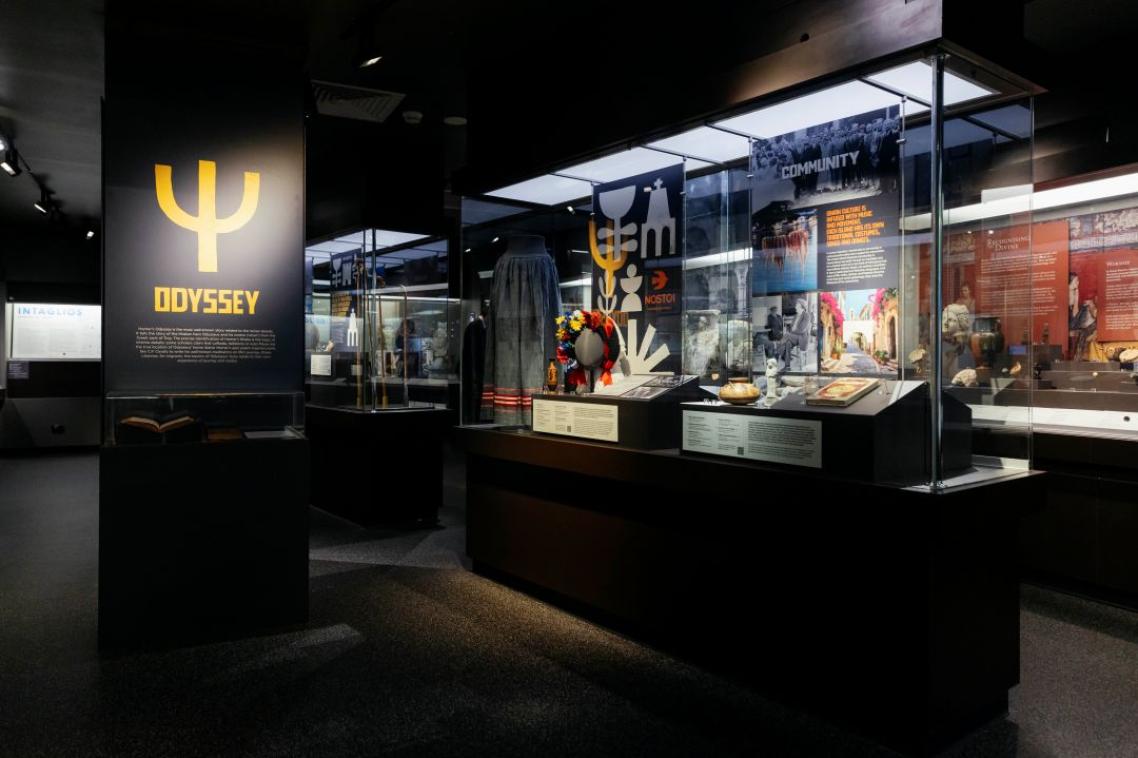
“Combining more than 80 artefacts, documents, garments, and photographs paired with audio recordings of personal histories, the exhibition creates a vivid portrait of how the Ionian Islands are remembered, experienced and passed on to future generations,” Mr Donaldson said.
“The exhibition and oral history project were conceived as more than just consultative with the community – from the beginning we wanted the project to be community-led and share the stories that were important to them, rather than stories that were important to the museum.”
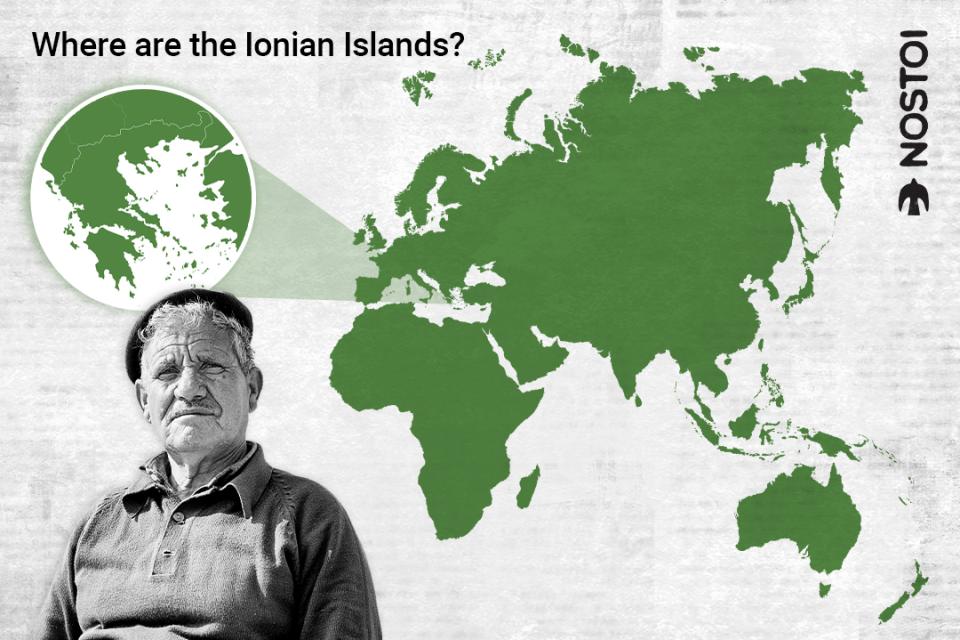
(Photo credit: Chrys Zantis)
Personal stories from the diaspora
Mr Donaldson said the curation team was privileged to receive submissions from many members of the Greek community.
“They were so open to sharing their family stories and histories with us,” Mr Donaldson said.
After conducting more than 2 dozen interviews, the team identified common themes that resonated with members of the diaspora: Journey and migration, beauty and love, myth and religion and home and community.
“One of the touching stories we identified was of the late Yianni Manolatos, who migrated to Queensland in 1960 from Ithaki as a young man.
“He was driven by his desire to help his family join him in Queensland, so he brought a plumb bob with him – a weight used to establish a vertical line – and used it to renovate many houses across Brisbane.”
For community curator Voula Castan, the exhibition reflects what it means to belong in modern day Australia.
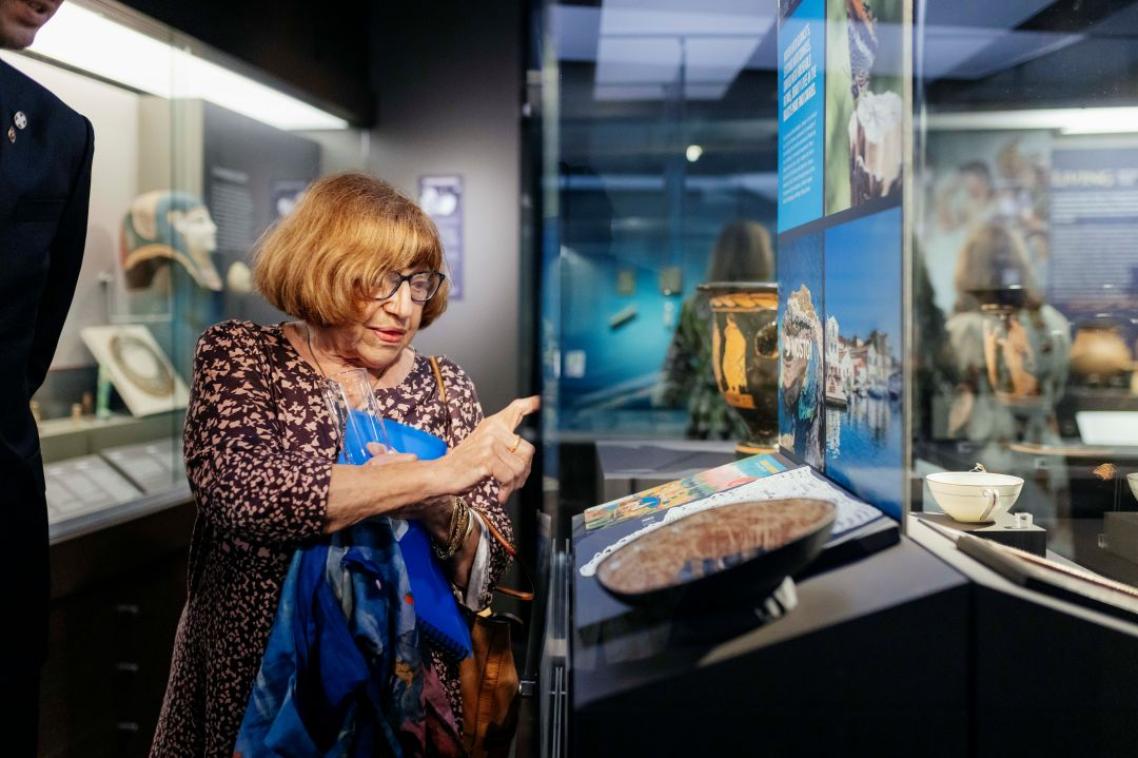
Voula Castan viewing the exhibition for the first time.
(Photo credit: Joe Ruckli. )
“These stories reflect what Australia is: a country of migrants across many different cultures,” Ms Castan said.
“Passing these stories on and preserving them ensures they are not lost to future generations.”
Ms Castan’s parents married in their home village of Anoghi, Ithaki, in 1929 before settling in North Queensland where her father ran a café.
“My parents always taught me to have a love of two countries: Australia, and Greece, the home I left behind,” Ms Castan said.
Nostoi: Homecomings features digitised photographs from her family’s private collection, including one taken with her grandmother in Ithaki (below), photos from her parents’ wedding, and a portrait of her uncle Abbot Ierotheos (John) Kallinikos, who was head monk of the Ithaki Panagia Kathara Monastery in the 20th century.
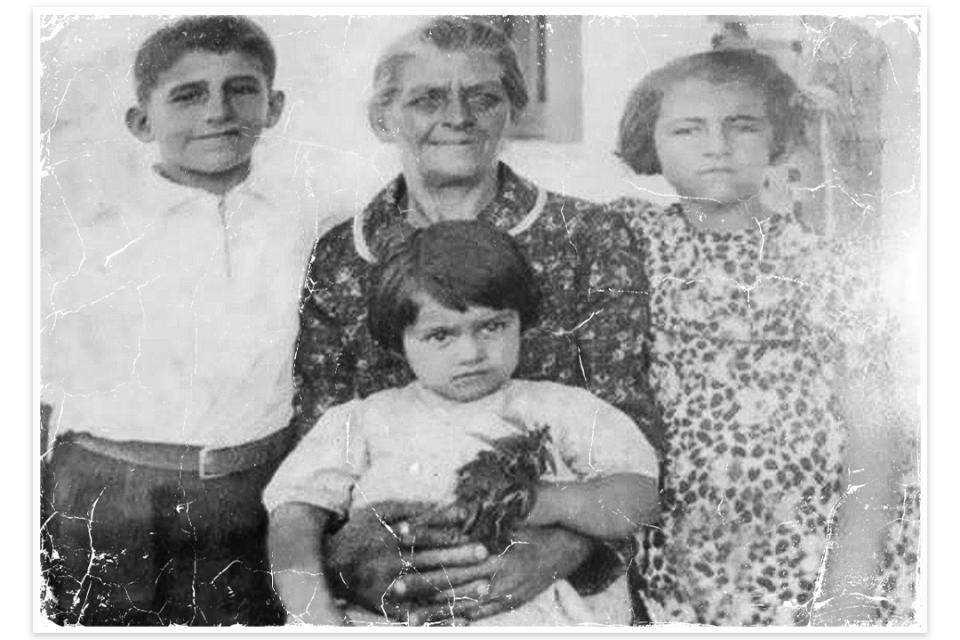
This image of Voula Castan and her grandmother is on display at the exhibition.
(Photo credit: Supplied, Voula Castan.)
Second generation Greek-Australian artist Chrys Zantis was also involved in the exhibition curation, and has loaned personal images and family heirlooms.
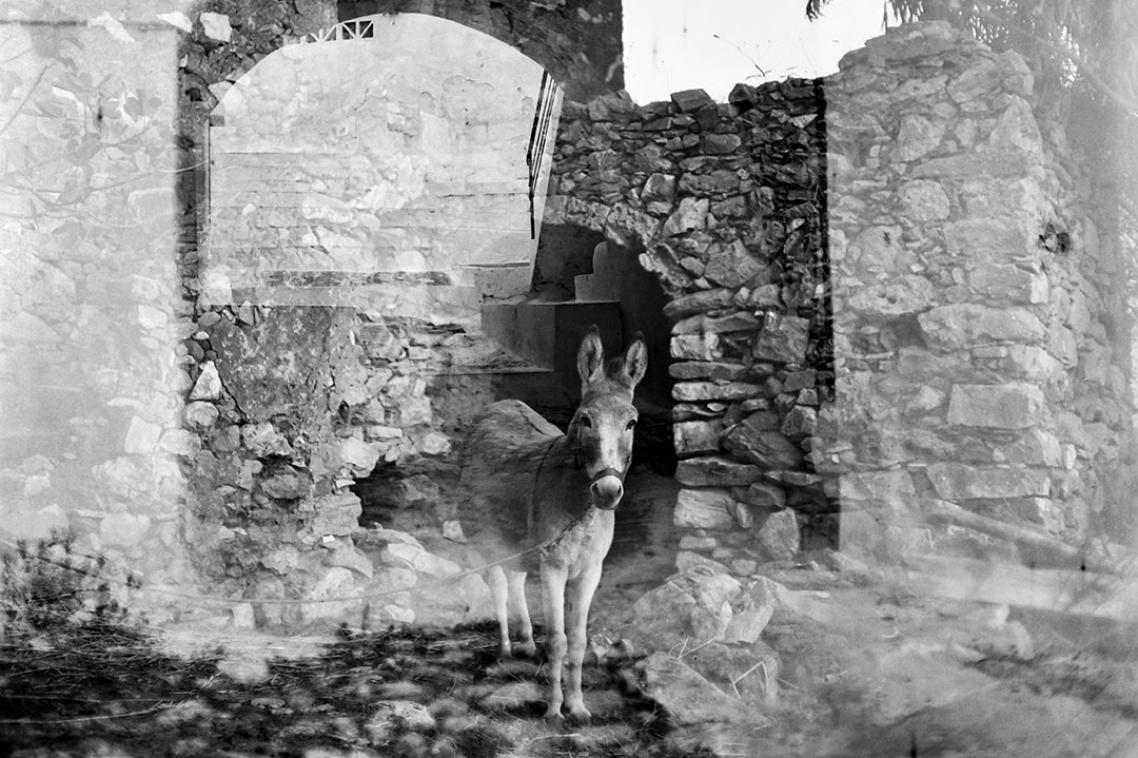
“I am grateful that my photographs from the 1970s have been included,” Mrs Zantis said.
“Although the world depicted in them has changed, the images speak to the landscapes, rituals, and rhythms that migrants carried within them when they left.”
Mrs Zantis’s parents Penelope Chlenzos and Nicholas Sofios, both Kytherian, first met in Athens before Nicholas migrated to Australia.
Following many years of correspondence, Nicholas negotiated with Penelope’s family for her hand in marriage.
On her wedding day in Brisbane in 1955, Penelope received an intricate soup bowl featuring an illustration of a classical Greek key.
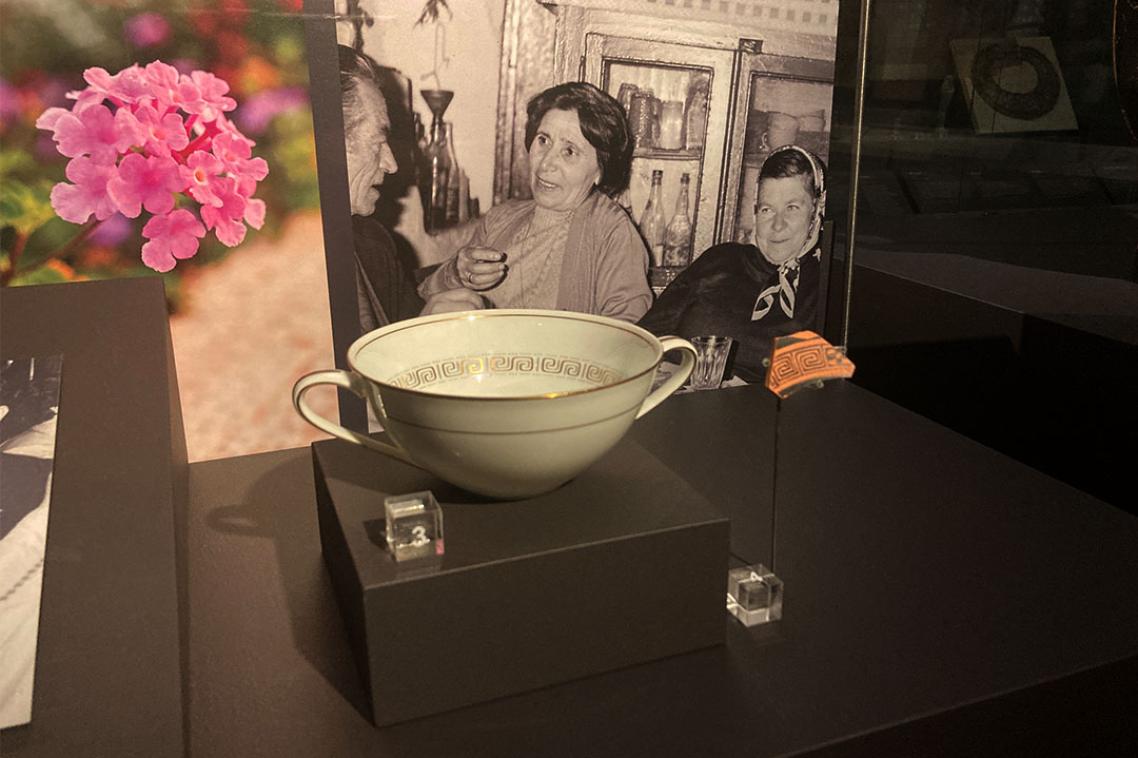
The intricate soup bowl Mrs Zantis's mother received on her wedding day.
(Photo credit: The University of Queensland )
Mrs Zantis said the Antiquities Museum’s willingness to collaborate closely and respectfully with the community allowed the exhibition to capture the essence of Ionian Island culture.
“The texts featured come from those who lived these experiences, and the artefacts are treasured vessels of memory, offered by families who trusted that their stories would be honoured,” she said.
“The most rewarding aspect of this project has been the opportunity to pause and truly honour my parents’ migration story, while listening to the experiences of others within the Ionian Islands diaspora.”
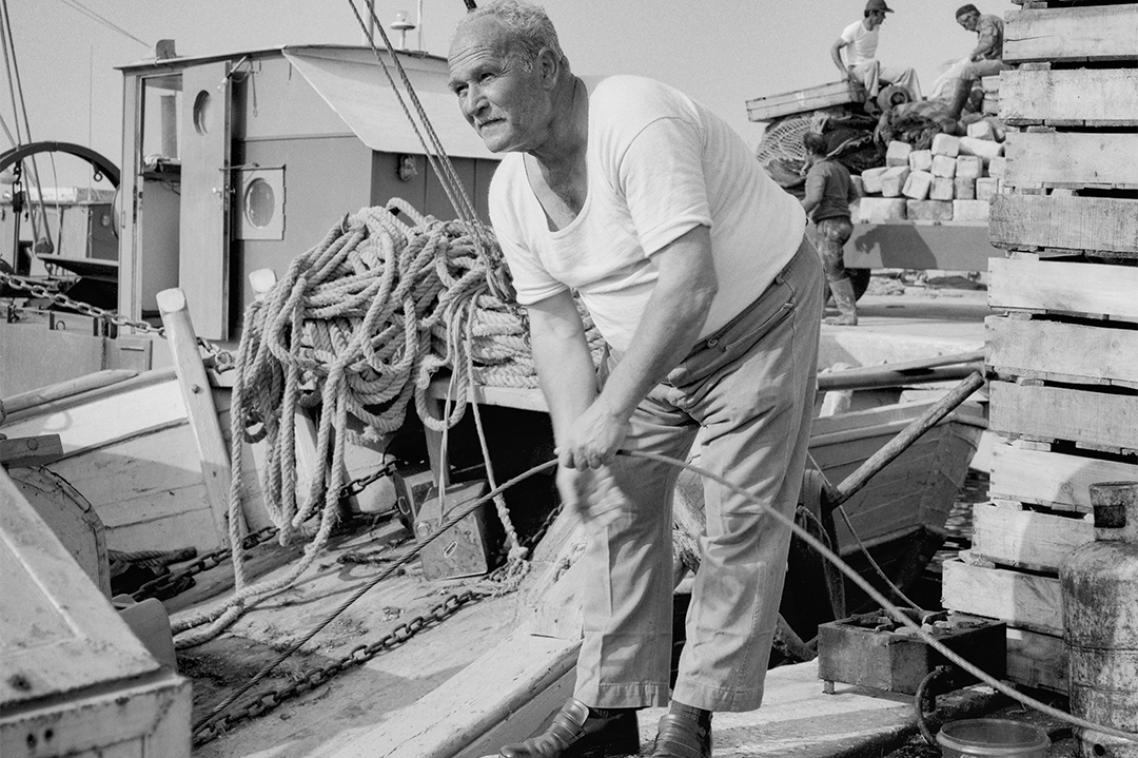
Scroll through the images from Chrys Zantis' private collection, captured in the 1970s.
(Photo credit: Chrys Zantis, @ChrysZantis )
(Photo credit: Chrys Zantis )
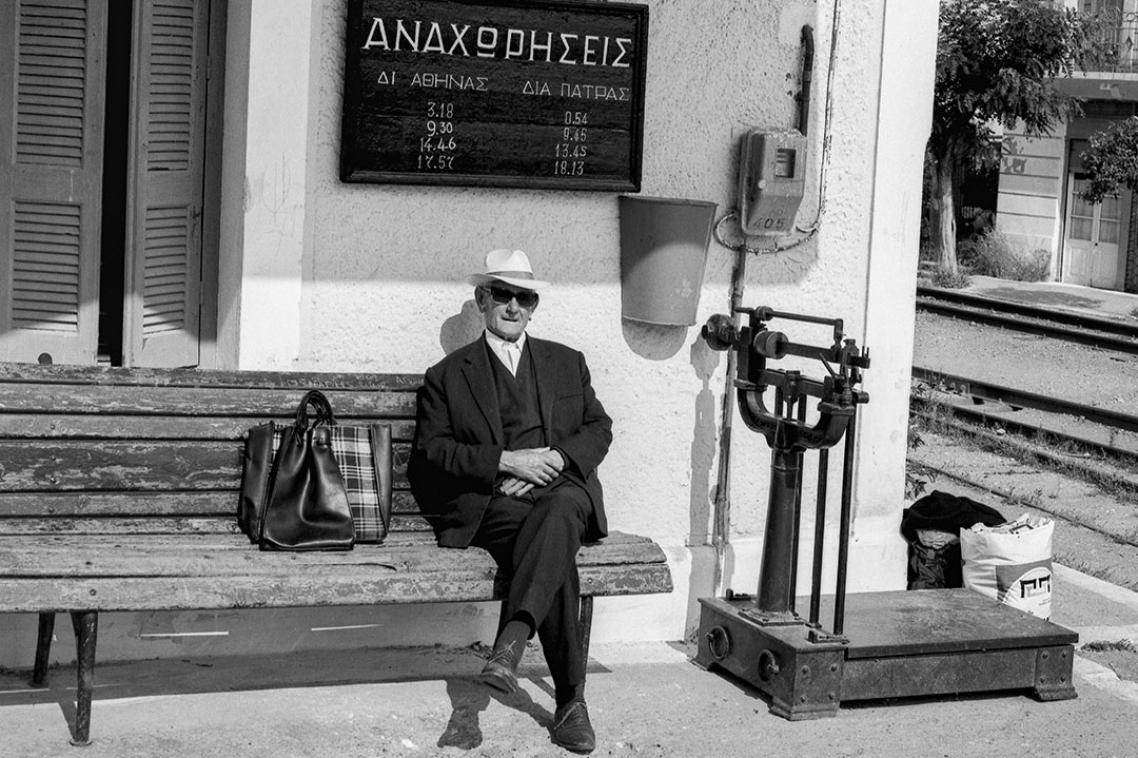
(Photo credit: Chrys Zantis )
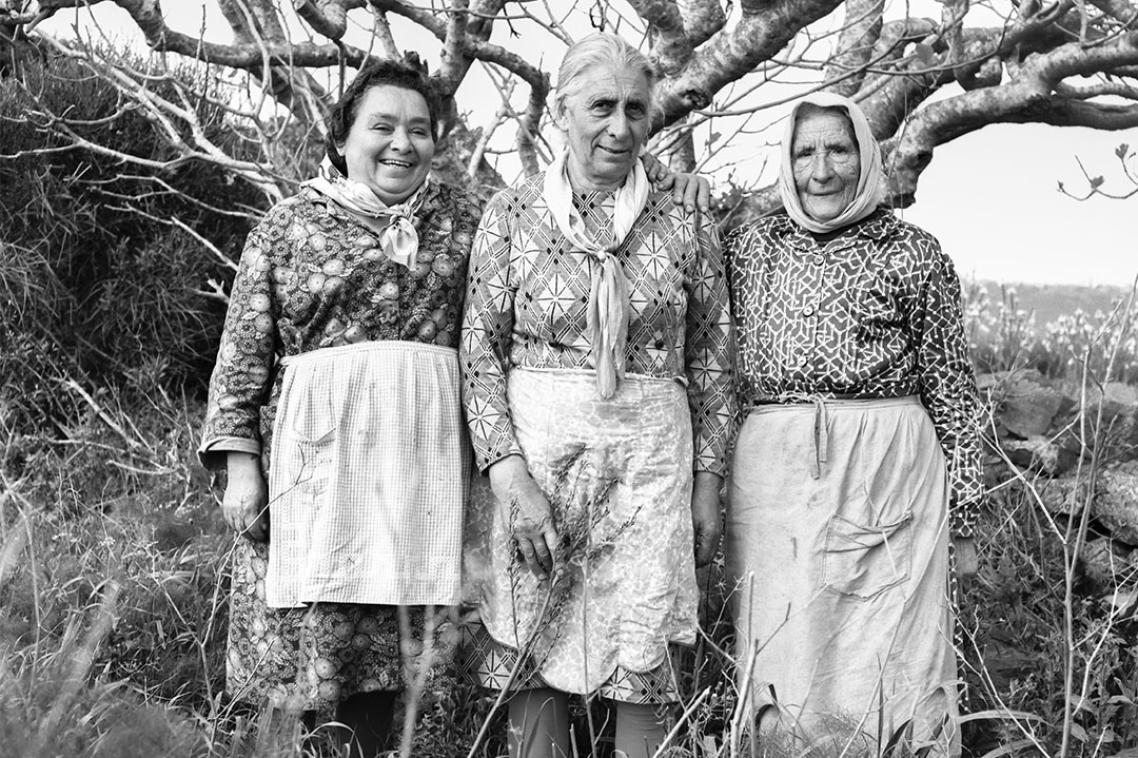
(Photo credit: Chrys Zantis )
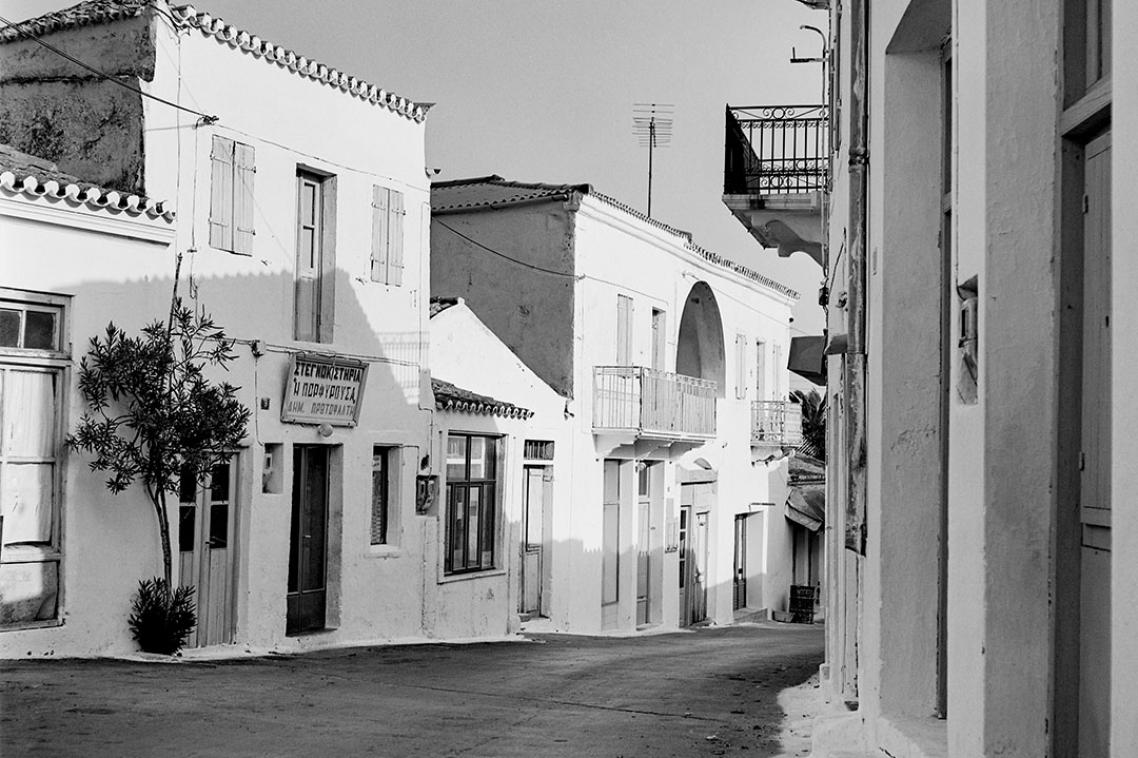
(Photo credit: Chrys Zantis )
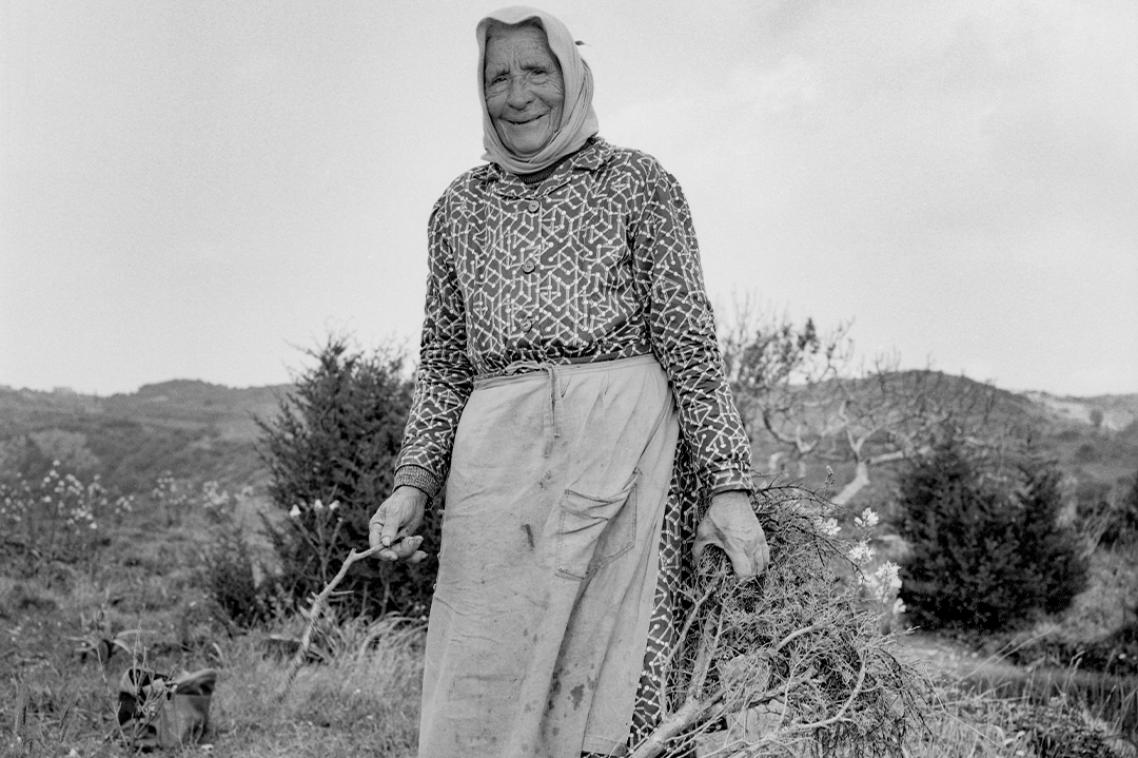
(Photo credit: Chrys Zantis )
Shared experiences
Mrs Zantis said sharing these narratives allowed members of the UQ community to consider their own stories of home and belonging.
“The UQ campus is home to students from many parts of the world who carry stories of leaving their homes and starting over, and the Ionian migration story becomes a mirror through which they recognise echoes of their own journeys.”
Barbara Vasdekis, President of the Ithacan Society of Queensland, said the exhibition was a significant project for members of the diaspora.
“This is the first time that the culture of the Ionian Islands has been shared so explicitly with the broader Australian community,” Mrs Vasdekis said.
“Preparing for the exhibition has given us the opportunity to explore ideas such as home, nostalgia, place, identity, memory and love.”
The exhibition is open to all members of the public and will run until 2027.
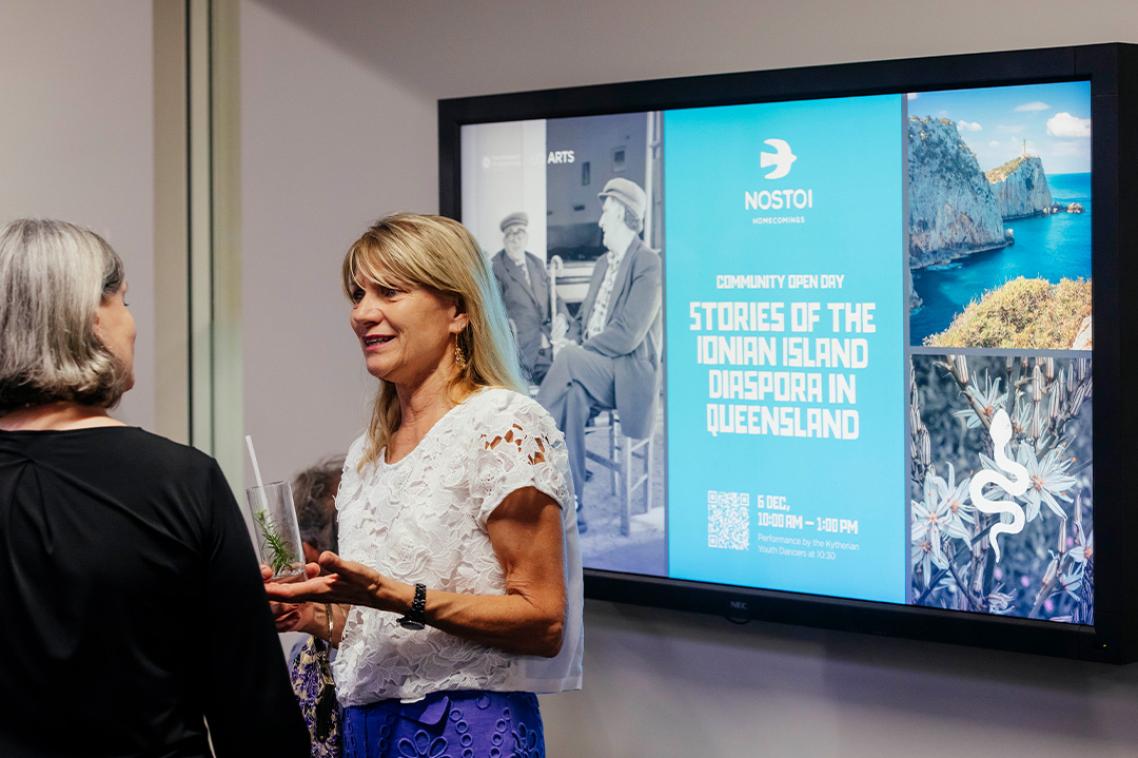
A community day, which will include guided tours of the exhibition, will be held on 6 December 2025 from 10am-1:00pm.
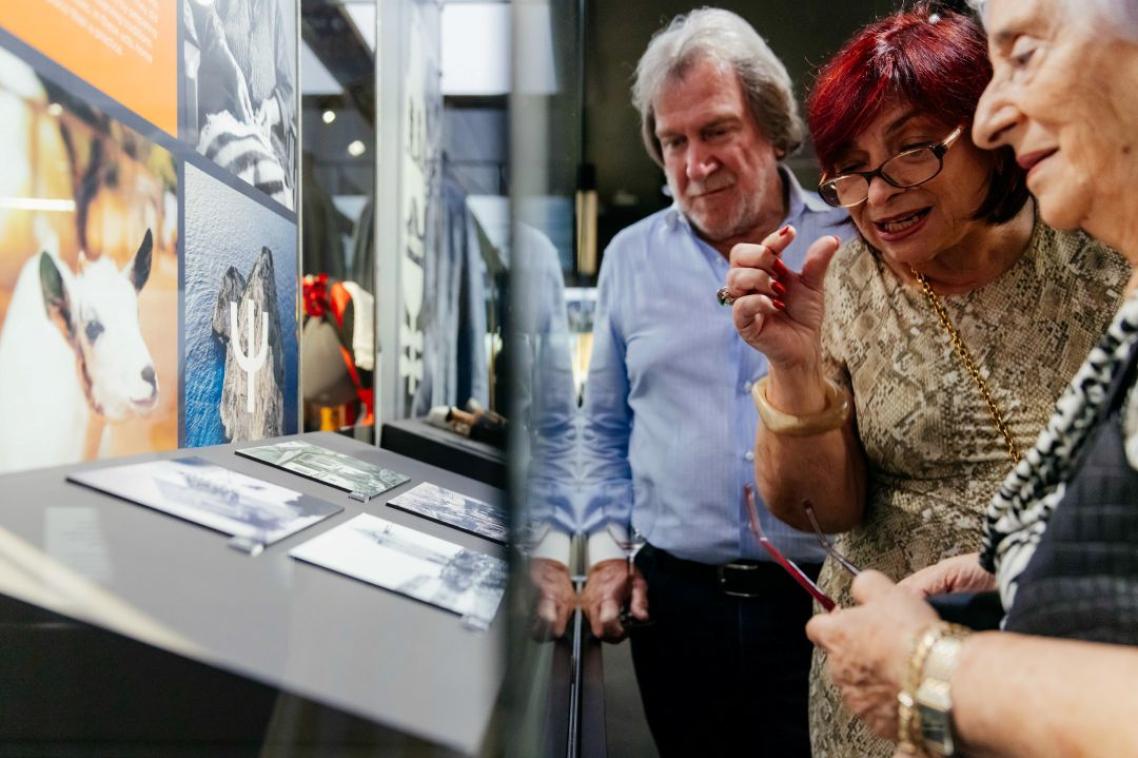
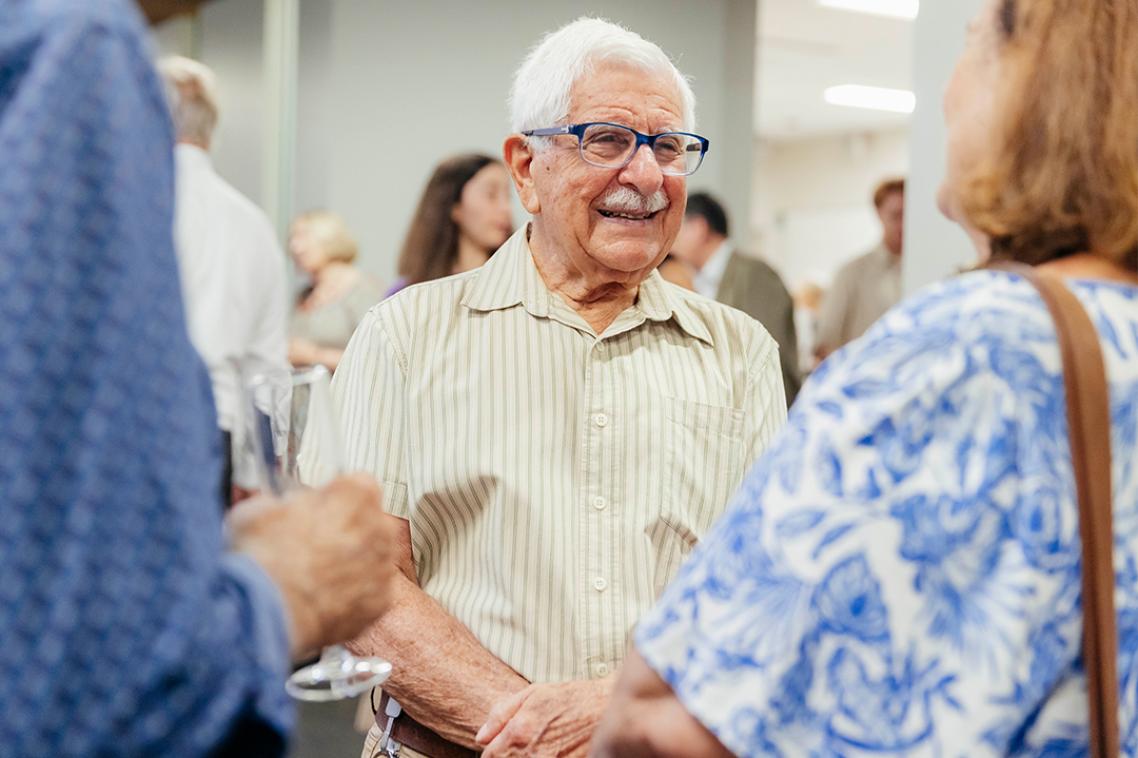
Members of the Greek community were invited to view the exhibition at opening night.
(Photo credit: Joe Ruckli )
(Photo credit: Joe Ruckli )
(Photo credit: Joe Ruckli )
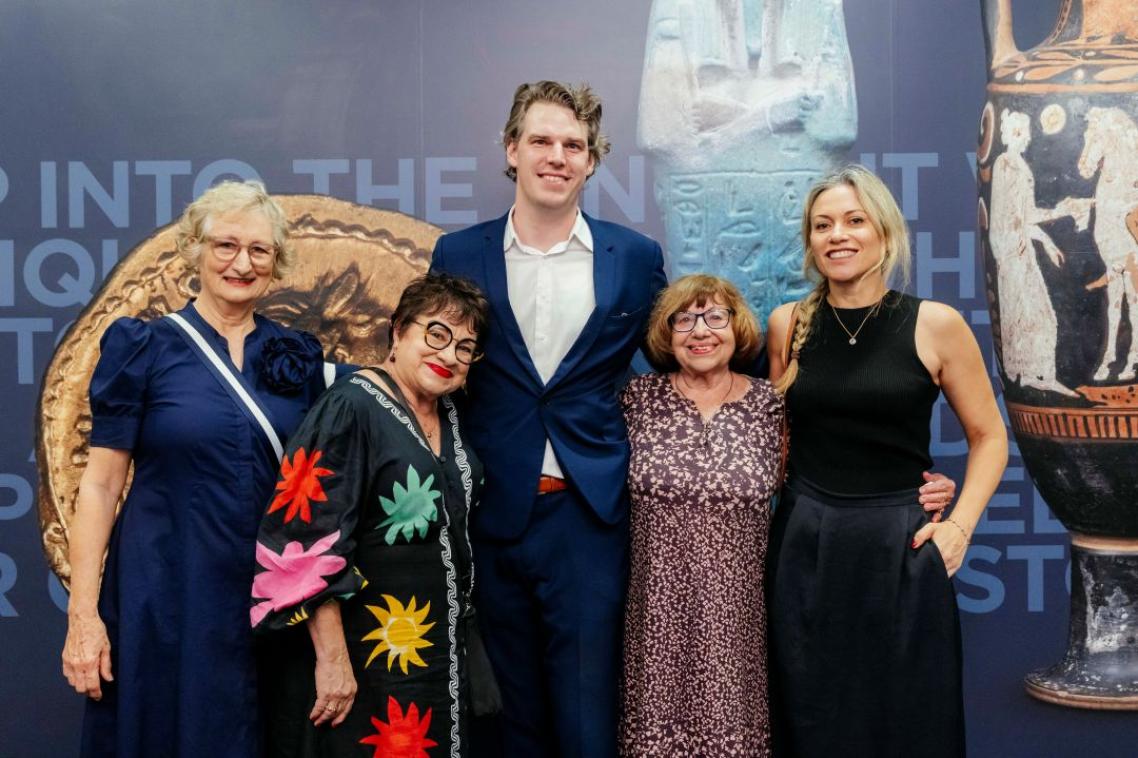
From left: Barbara Vasdekis, Chrys Zantis, James Donaldson, Voula Castan and Marie-Christine Sourris.
(Photo credit: Joe Ruckli )
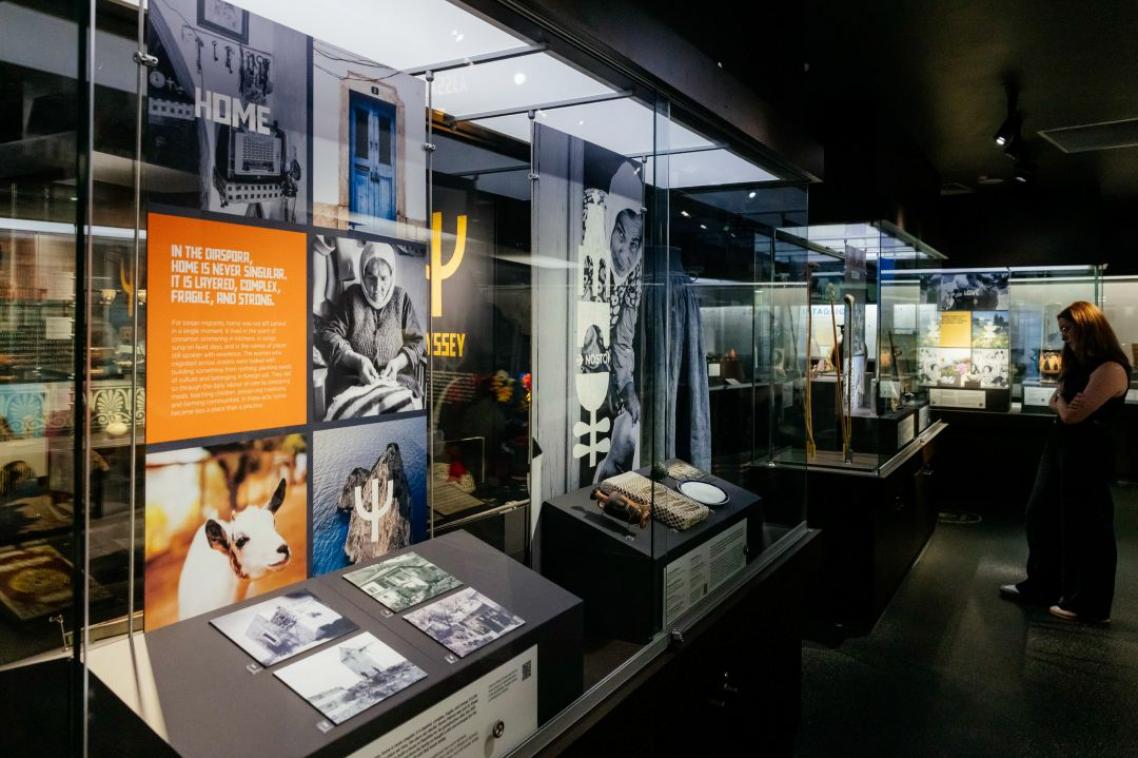
The exhibition features more than 80 artefacts.
(Photo credit: Joe Ruckli )
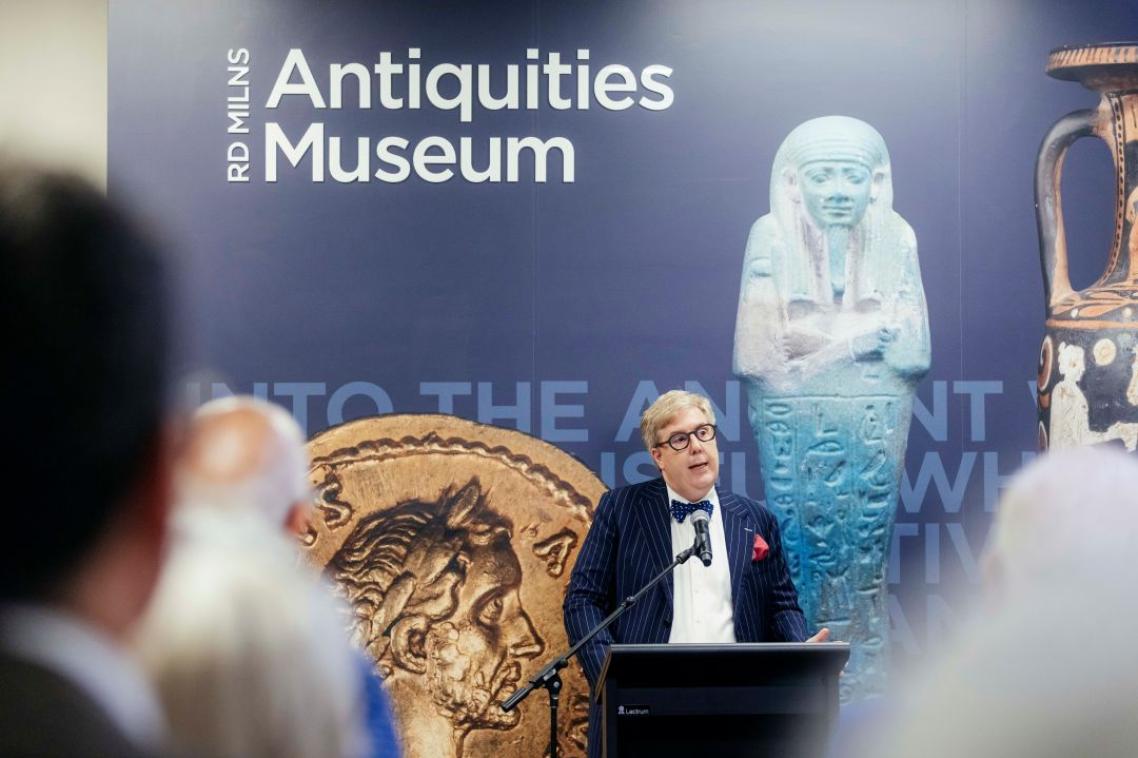
Professor Alastair Blanshard, Director RD Milns Antiquities Museum, addresses attendees on opening night.
(Photo credit: Joe Ruckli )
(Photo credit: Joe Ruckli )
Collaboration and acknowledgements
The exhibition is proudly presented by UQ’s RD Milns Antiquities Museum, UQ Arts, the Kytherian Association of Queensland, the Ithacan Society of Queensland, and supported by Friends of Antiquity and the Kytherian Brotherhood of Queensland.Topics
Related articles
Money doesn’t buy happiness if you need a second job to have it