UQ scientific excellence reaches the global pipeline in landmark deal
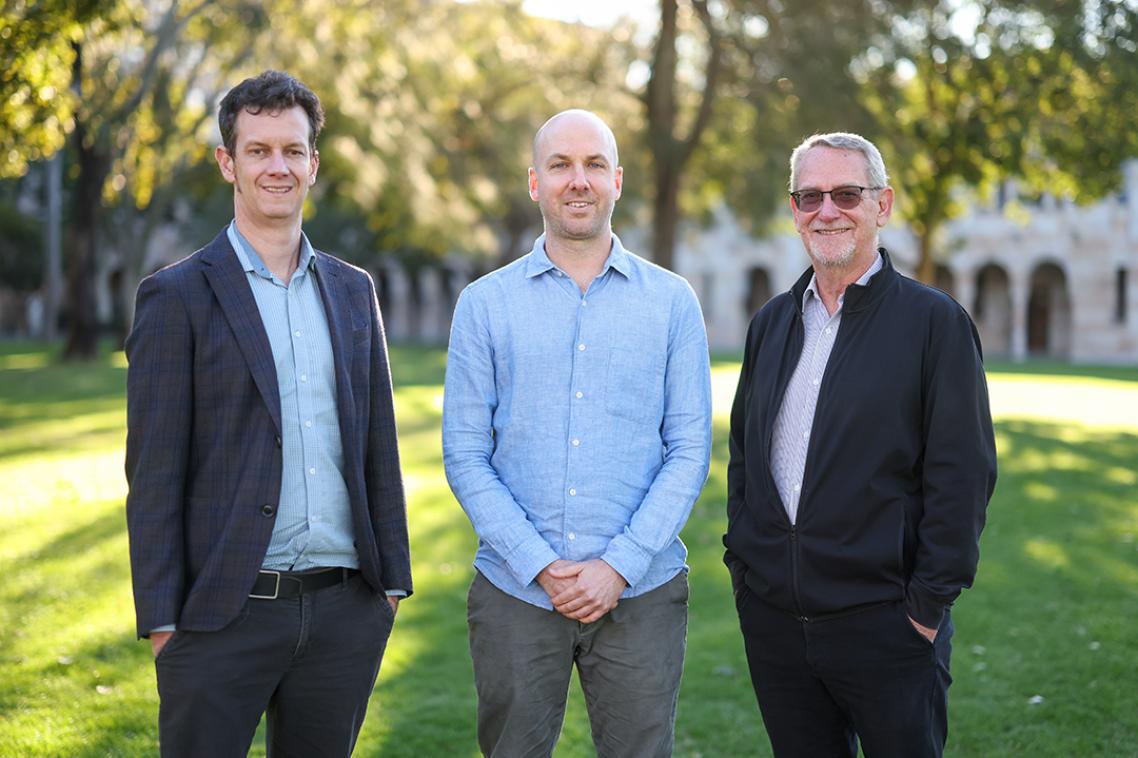
(L-R) Professor Keith Chappell, Professor Daniel Watterson and Emeritus Professor Paul Young, inventors of the Molecular Clamp technology.
(Photo credit: The University of Queensland. )
One of the world’s leading healthcare companies has completed its acquisition of the biopharmaceutical company commercialising The University of Queensland's Molecular Clamp technology.
Sanofi entered into an agreement earlier this year to acquire Vicebio, a company formed in 2018 to develop UQ’s Molecular Clamp technology to make vaccines against life-threatening respiratory viral infections.
The record-breaking deal, the largest involving a company commercialising intellectual property (IP) from an Australian university, is now complete.
It involved a total upfront payment of US$1.15 billion, with potential milestone payments of up to US$450 million based on development and regulatory achievements.
UQ Vice-Chancellor Professor Deborah Terry AC said the acquisition was an incredible milestone for biomedical research and innovation, not just at UQ but across Australia.
“It demonstrates that universities can lead world-class research, attract strategic investment and achieve visionary commercialisation that can improve health outcomes,“ Professor Terry said.
“The dedication of all involved in the pursuit of such an important public health initiative has been truly inspiring and I offer them a heartfelt congratulations.”
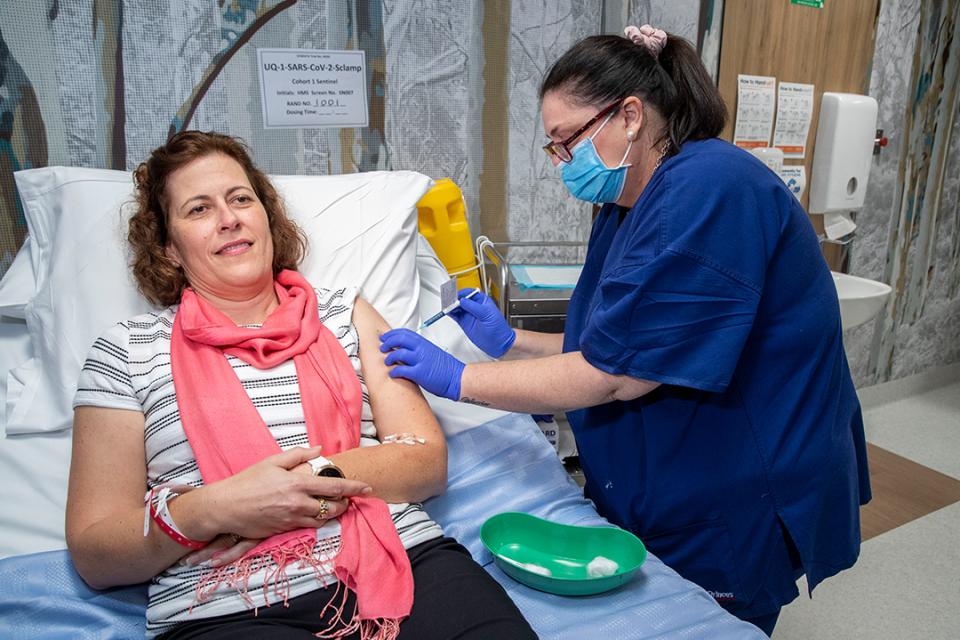
First participants in a clinical study receive the vaccine candidate for COVID-19 in 2020.
(Photo credit: The University of Queensland.)
More than a decade in the making
It’s been a long and at times challenging journey for the 3 inventors of the technology.
All UQ alumni, Professors Keith Chappell, Daniel Watterson and Emeritus Professor Paul Young began their journey with the novel Molecular Clamp technology in 2012.
“We saw that presenting stabilised viral proteins to the immune system directed a more robust immune response,” Professor Chappell said.
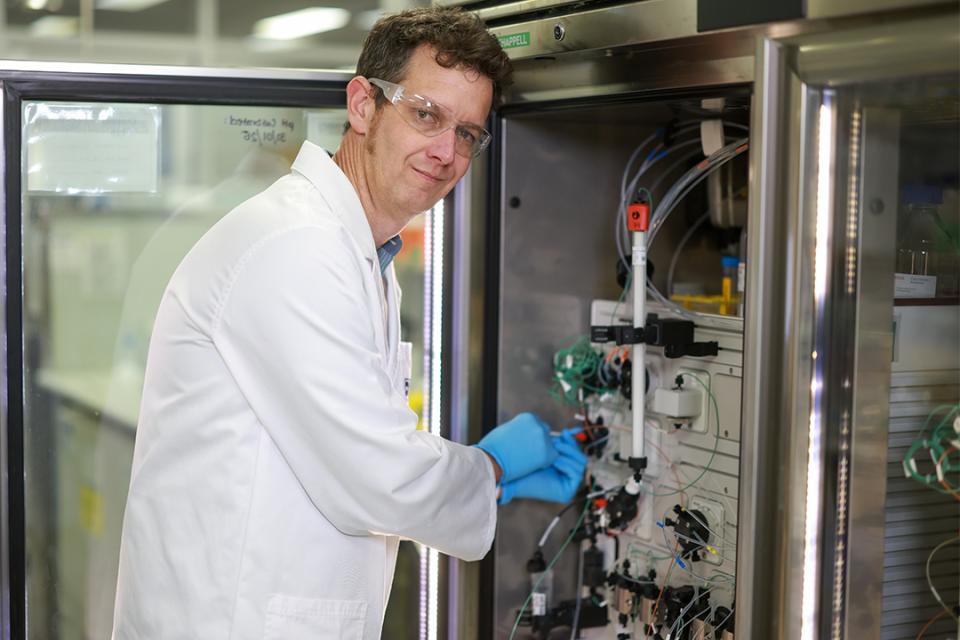
Professor Keith Chappell.
(Photo credit: The University of Queensland)
“We developed a ‘clamp’ method to ensure that these viral proteins retain the structure that the immune system is best able to recognise and fight.”
Fast-forward to 2020, and the technology gained worldwide attention when UQ was asked to develop a potential vaccine for COVID-19 by the Coalition for Epidemic Preparedness Innovations (CEPI).
“Like many scientists around the world during the pandemic, our broader team worked pretty much around the clock for months,” Professor Chappell said.
“It was stressful and manic but also gave us purpose at that time of uncertainty as the virus spread.
“We were of course devastated when the decision was made to halt our COVID-19 vaccine but we had to keep looking forward.
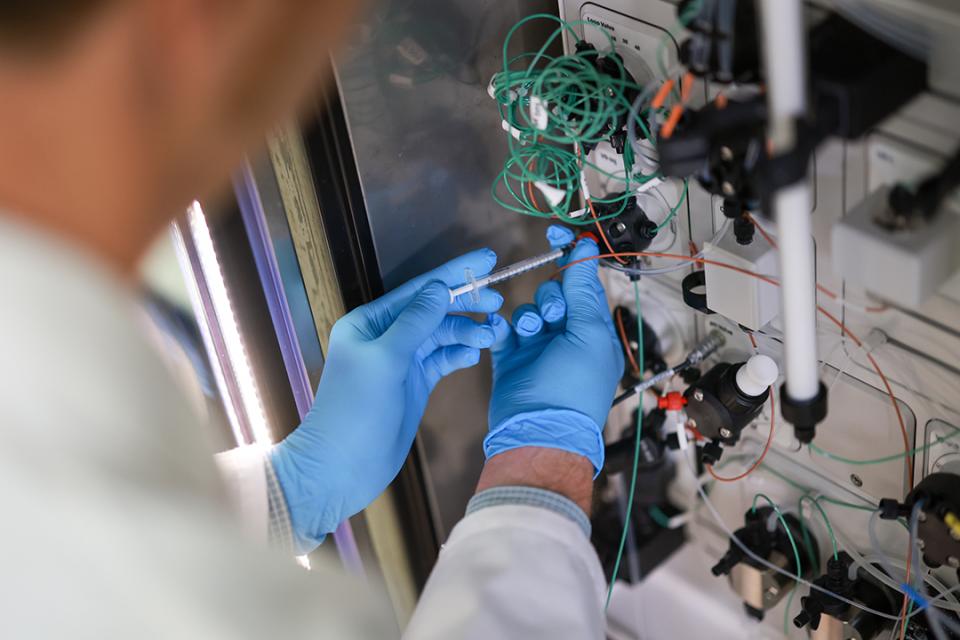
“We were very confident in the underlying approach and that the platform could provide a powerful solution for viral infections so we persisted, focused on our research goals and to now see that work reach this stage is incredibly gratifying.”
(Photo credit: The University of Queensland)
Respiratory disease the first target
Vicebio’s application of the Molecular Clamp technology is strategically focused on major infectious respiratory diseases, with their first combination vaccine candidate in clinical development for respiratory syncytial virus (RSV) and human metapneumovirus (HMPV).
“These diseases affect millions of people every year and can be life-threatening for vulnerable groups like the elderly, especially those with underlying health conditions,” Professor Watterson said.
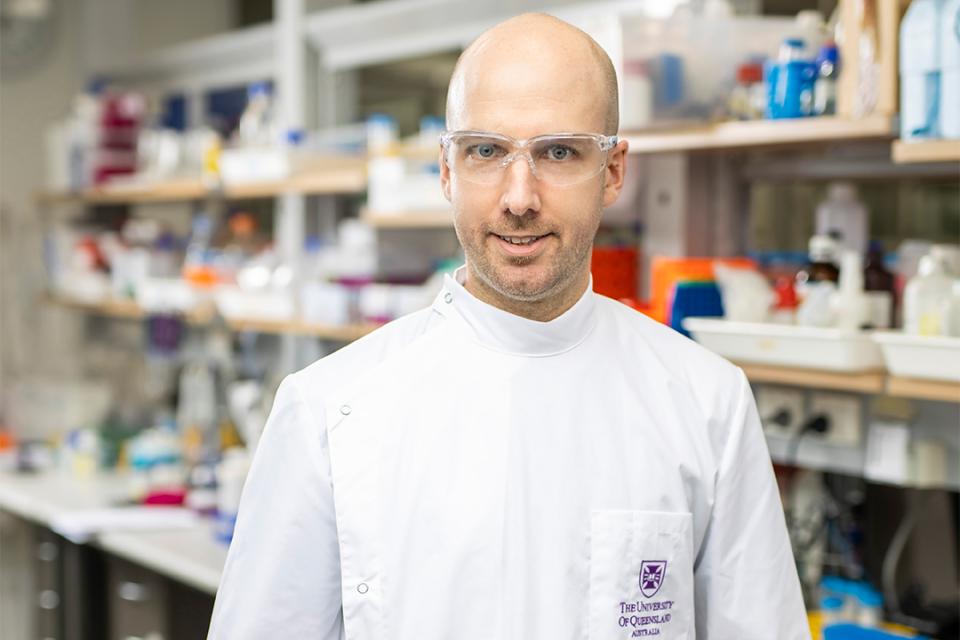
Professor Daniel Watterson.
(Photo credit: The University of Queensland)
“A vaccine to prevent both would be hugely beneficial and address a global health challenge.”
Professor Watterson said the importance of vaccines could not be overstated.
“Vaccines prevent millions of deaths every year, and getting vaccinated is the most important thing you can do to protect yourself against getting sick,” he said.
“We’re thrilled that the acquisition has the potential to change so many lives for the better, all over the world.”
(Photo credit: The University of Queensland)
Discovery science matters
Emeritus Professor Young said the acquisition was a powerful reminder that transformative technologies start in discovery labs.
“Sustained investment in early-stage research isn’t a luxury – it’s the engine that drives every major advance in global health,” he said.

Professor Paul Young.
(Photo credit: The University of Queensland)
“Support for discovery research is critical if scientists are to continue innovating and translating good ideas.
“We’ve been fortunate to have collaborated with some vital industry partners.
“We’re also grateful for the support over the years of the Queensland and Australian governments and donors.”
Emeritus Professor Young said the deal marks a major step forward in translating breakthrough science into real-world impact.
“Being acquired by a major pharmaceutical company will allow the Molecular Clamp platform technology to advance at the speed and scale it deserves,” he said.
“It’s an exciting moment for the UQ team, but also the broader Australian biomedical research community.”
(Photo credit: The University of Queensland)
Visionary commercialisation
Vicebio was created with capital support from European life sciences investment fund Medicxi, with an €18M commitment.
UQ, through UniQuest, the University’s commercialisation company is a shareholder in Vicebio through the licensing of the vaccine platform technology and a direct investment from the UniQuest Extension Fund.
Uniquest CEO Dr Dean Moss said the IP commercialisation by the UniQuest team that culminated in the acquisition started more than a decade ago.
“It highlights what can be achieved with resilience, excellence in research, innovative commercialisation, investment in intellectual property, experienced management and access to ‘patient’ capital,” Dr Moss said.
“It’s essential to ensure more of our great ideas progress within Australia for as long as possible through the stages of technology development to manufacturing and provide more jobs for Australians.”
Related articles

Increased investment needed in early-stage homegrown tech