
UQ climate change paper has the whole world talking
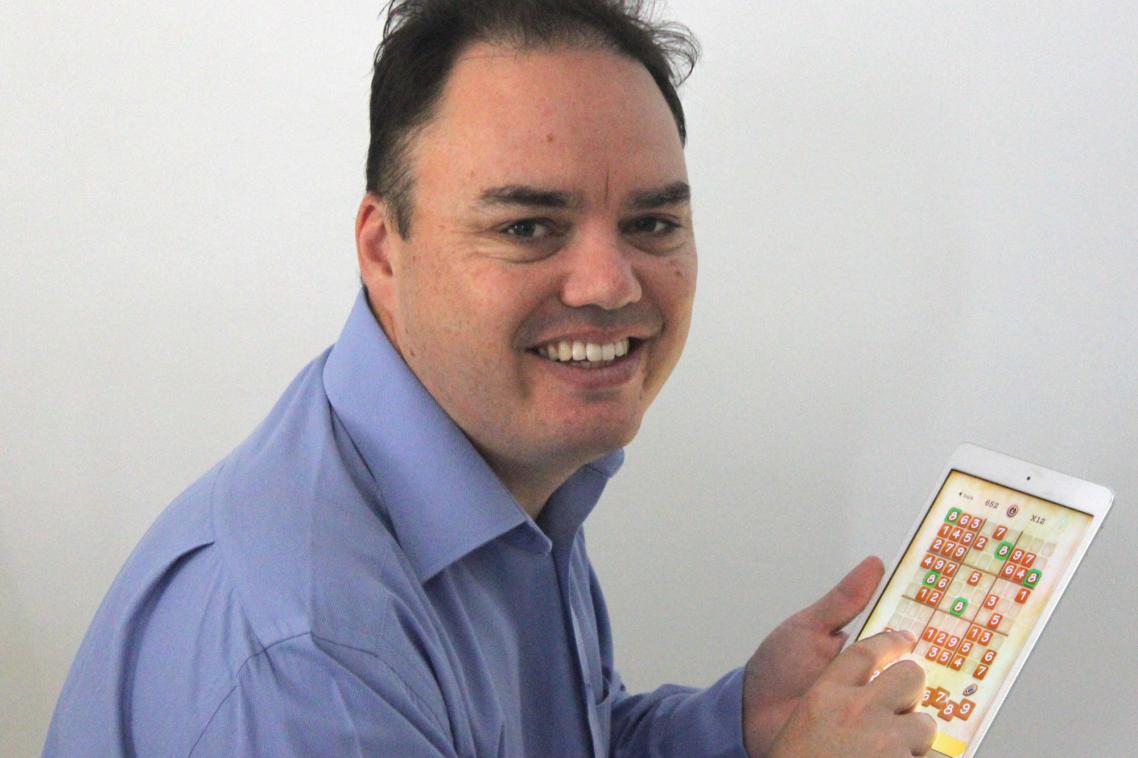
A University of Queensland researcher’s work has been ranked 11th in a listing of the world’s top 100 most talked about academic papers of 2013.
Global Change Institute researcher John Cook’s paper on the scientific consensus on climate change was edged out of Altmetric’s top 10 by a paper on sudoku.
Mr Cook led a global team of researchers in a study confirming scientists agree that global warming is a result of human activity and influence.
The research hit the spotlight partly as the result of a tweet by US President Barack Obama, whose Twitter account is followed by more than 31 million people worldwide.
The quiet and humble scientist was inundated with interview requests after the tweet hit social media airwaves.
“It was an extremely hectic 24 hours,” he said.
“I was getting calls from all over the world to do media interviews on the study.”
Mr Cook said the public attention on his research played an important role.
“Making the results of our paper more widely-known is an important step towards closing the consensus gap and increasing public support for meaningful climate action,” he said.
The paper has been downloaded more than 124,000 times, more than any paper published by the Institute of Physics, a group that publishes more than 70 peer-reviewed journals.
According to Altmetric, which measures online chatter about academic papers, Cook’s paper also ranks in the top five per cent of all articles ever published.
It has been cited in a range of scholarly journals, including Australian Historical Studies, BioScience, European Journal of Media Studies and Proceedings of the Royal Society B.
Media: Climate Communication Fellow John Cook 0431 276 267. Global Change Institute Communications Officer Kate Hannah 0425 752 904.
About the Global Change Institute:
The Global Change Institute at The University of Queensland, Australia, is an independent source of game-changing research, ideas and advice for addressing the challenges of global change. The Global Change Institute advances discovery, creates solutions and advocates responses that meet the challenges presented by climate change, technological innovation and population change.
About John Cook:
John Cook is the Climate Communication Fellow for the Global Change Institute at the University of Queensland. He created SkepticalScience.com, a website that refutes climate misinformation with peer-reviewed science. In 2011 Skeptical Science won the Australian Museum Eureka Prize for the Advancement of Climate Change Knowledge. John has co-authored the college textbook Climate Change Science: A Modern Synthesis, the book Climate Change Denial: Heads in the Sand and a number of papers on climate change and the psychology of misinformation.
Topics
Related articles

Shaping the future of medicine: UQ Medical School turns 90
