
Textured insoles could be a positive step for people with MS
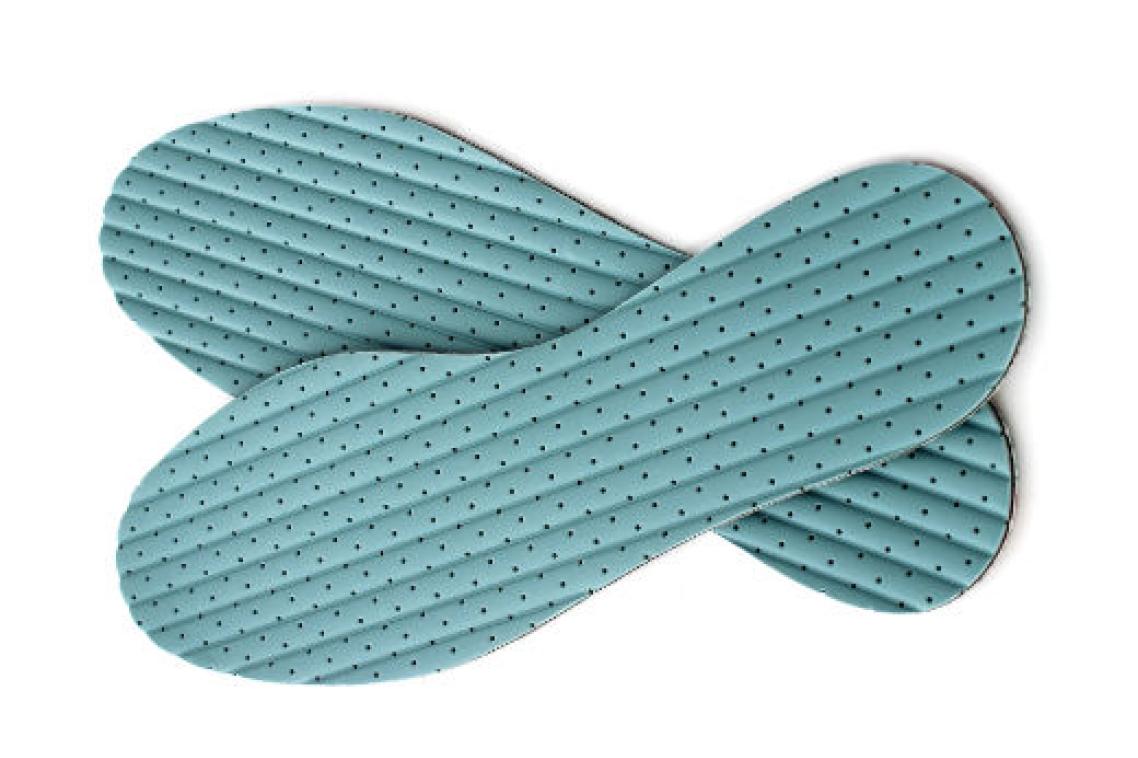
University of Queensland research is investigating the effects textured shoe insoles have on walking problems associated with multiple sclerosis.
A $120,000 Multiple Sclerosis (MS) Research Australia grant will enable UQ School of Health and Rehabilitation Sciences physiotherapy lecturer Dr Anna Hatton to examine the potential of an inexpensive insole to improve the mobility of people with MS.
Dr Hatton said many people with MS had problems with walking, which made day-to-day activities difficult and often led to falls.
She said walking problems in MS could result from a combination of typical symptoms related to muscles, nerves and senses.
“The key to improving mobility is to use a range of different treatment techniques which address each of these symptoms,” she said.
“Improving walking ability is of primary importance to maintaining health, independence and quality of life for people living with MS.”
Dr Hatton and her international research team (spanning Australia, New Zealand and the United Kingdom) will investigate whether a specially designed insole which enhances sensory information at the feet could boost the walking ability of people affected by MS.
They will analyse how about 180 people with MS walk over different surfaces after wearing the insoles for three months.
“We will explore whether wearing the insoles changes the way the body moves or the leg and trunk muscles work during walking,” Dr Hatton said.
“We will also monitor any changes in the perception of foot sensation and the awareness of foot position, to help better understand how the insoles may bring about their effects on walking.”
The research builds on studies by Dr Hatton and the team over the past eight years on the effects of textured shoe insoles on walking and balance in older adults prone to falling, people with Parkinson’s disease and preliminary studies with MS.
Dr Hatton’s funding was awarded as part of MS Research Australia’s 2014 grant round of $1.537 million Australia-wide.
MS Research Australia is the largest national non-government funder of MS research in Australia.
UQ will floodlight the Forgan Smith building red in May for MS Awareness Month.
Media: UQ Faculty of Health and Behavioural Sciences Senior Media and Communications Officer Kirsten O'Leary, +61 7 3366 3035 or k.oleary@uq.edu.au.
Topics
Related articles

Sick of being told to ‘just lose weight’? Health promotion shouldn’t come with weight stigma
