
Sugar responsible for shooting
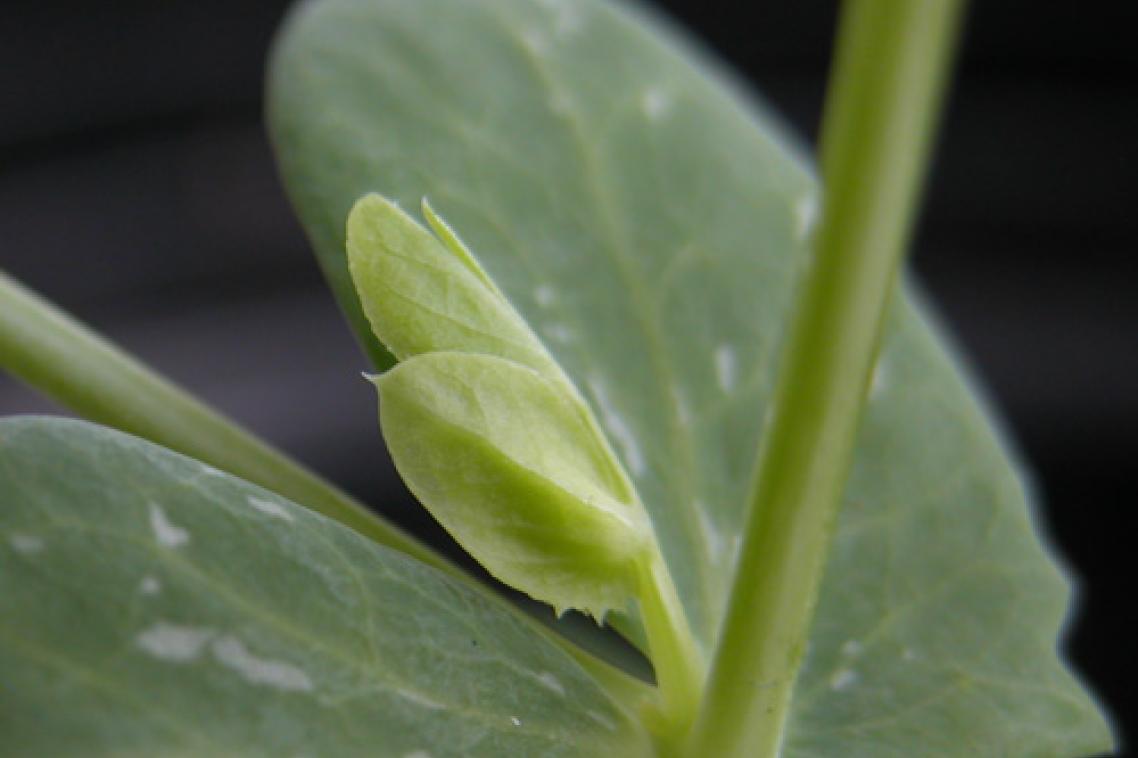
A University of Queensland study has overturned the long-held belief that plant hormones control the shape of plant growth, and shown instead that this process starts with sugar.
Shoot branching in plants is a vital process in agriculture and this finding will contribute toward the Queensland Government’s goal to double agricultural production by 2040 and the global need to increase food production.
Senior author on the study, Professor Christine Beveridge from UQ’s School of Biological Sciences, said this finding will help to increase crop productivity by improving plant structure.
“The growth of shoots and number of branches are very important to productivity and profitability, particularly in crops like avocado, macadamia and mango,” she said.
“We discovered that this process is initiated by sugar rather than hormones as previously believed.
“This discovery is so simple yet it has been overlooked for nearly a century.”
Previous studies have focused on the plant hormone auxin as the regulator of shoot branching.
Professor Beveridge and her team showed that shoot branching can begin up to 24 hours before auxin levels change, so it cannot be responsible for initiating this process.
Instead they found that shoot growth occurs when a high concentration of simple sugar (table sugar) - produced by the plant through photosynthesis - is available.
“Plants have a ‘goliath’ main shoot which hoards the sugars to promote its growth,” Professor Beveridge said.
“If the main shoot is damaged or removed the sugars are quickly redistributed to start the growth of new shoots.
“As gardeners know, deliberately removing the main shoot will direct a plant’s growth outward rather than upward, which can be very important in agriculture.”
UQ is working with The Queensland Alliance for Agriculture and Food Innovation (QAAFI), Horticulture Australia Limited (HAL), NSW Department of Primary Industries and the Queensland Department of Agriculture, Fisheries and Forestry (DAFF) to transform the productivity and profitability of tropical and subtropical tree crops.
Dr John Wilkie, Principal Horticulturalist and head of this initiative within DAFF, said that this discovery would aid further research into how tree crops divide sugar between tree growth and fruiting.
“Manipulating the number of branches can optimise the production of fruit and seeds, leading to greater agricultural productivity,” he said.
The research was published in the Proceedings of the National Academy of Sciences on 7 April 2014.
Media: Professor Christine Beveridge, 0410648830 or c.beveridge@uq.edu.au
Aimee Parker, Engagement Officer, (07) 3346 1629 or a.parker3@uq.edu.au
Topics
Related articles

White wine drinkers help pinpoint what’s missing in no and low alcohol drinks
