
Doctors trained rurally stay rural
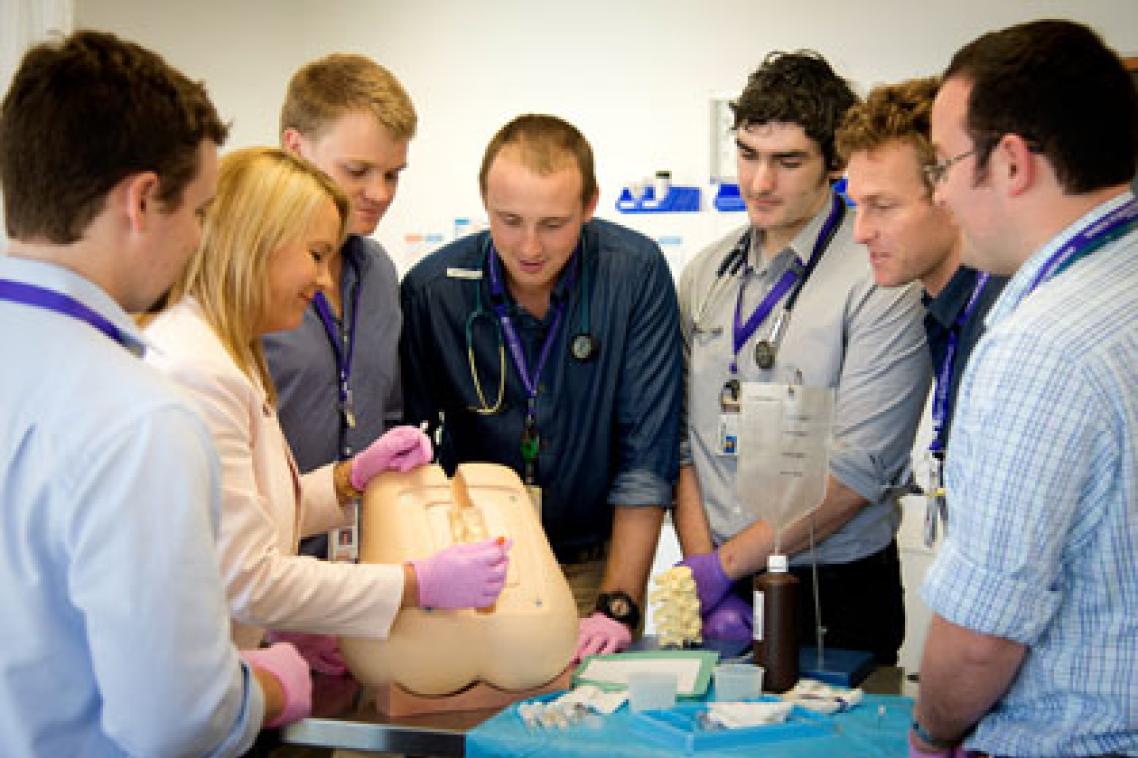
Medical students with a rural background who train in a rural setting are more likely to practise in regional and remote areas, a University of Queensland study shows.
The study provides evidence that could help tackle the uneven distribution of doctors between urban and rural areas.
UQ Rural Clinical School Head Professor Geoff Nicholson and Research Director Associate Professor Srinivas Kondalsamy-Chennakesavan led the study.
They looked at the background of UQ medical graduates and followed their careers to determine what led to their final practice location.
Professor Nicholson said the study showed that students from regional and rural backgrounds who did at least a year of their medical training at a rural clinical school were more likely to practice outside urban areas.
“The exposure to high-quality rural training at a rural clinical school enhanced the probability of that graduate practicing rurally,” he said.
Professor Nicholson said nearly a third (31.3 per cent) of the 754 doctors who responded to a research questionnaire had a rural background, while 36.6 per cent had attended UQRCS. Overall, 27.2 per cent were now working in a rural area.
Of those who had attended one of UQ’s metropolitan clinical schools, 18.8 per cent were practising rurally and that percentage rose to 41.7 for those students who spent time at UQ’s Rural Clinical School.
“The findings reinforce the need for medical schools to have a strong rural presence. Without it we run the risk of losing medical graduates to metropolitan areas,” Professor Nicholson said.
The UQ Rural Clinical School is one of the largest in Australia, and has campuses in Rockhampton, Bundaberg, Hervey Bay and Toowoomba.
The study is published in the Medical Journal of Australia.
Media: Professor Geoff Nicholson, +61 (0) 417 545 878, geoff.nicholson@uq.edu.au, School of Medicine Marketing and Communications Officer Brian Mallon, 07 3365 5254, 0403 621 109, b.mallon@uq.edu.au.
Topics
Related articles

Prolapse is common after pregnancy and later in life. Here’s what to look out for
