
Study finds Brazilian climate change mitigation doubles carbon emissions
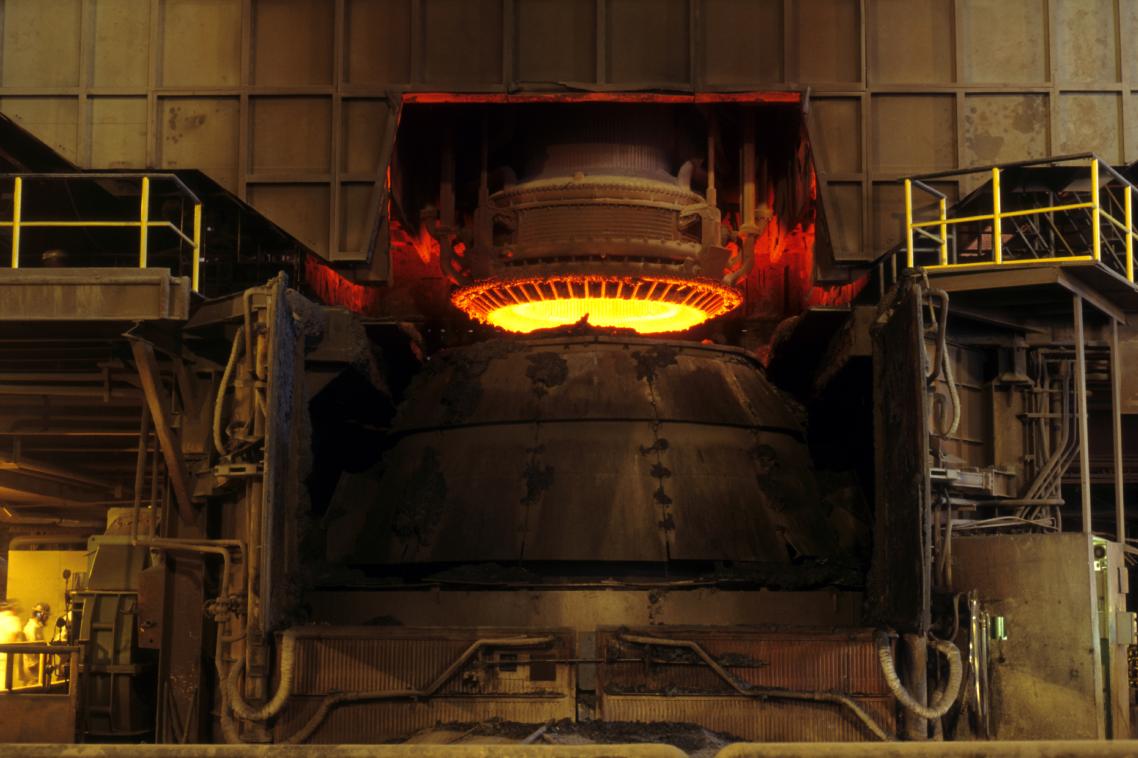
Brazilian steel industry strategies to reduce carbon dioxide emissions have failed spectacularly, actually resulting in a doubling of emissions, University of Queensland research has found.
Researcher Dr Laura Sonter, from UQ’s Sustainable Minerals Institute (SMI), said Brazil’s steel industry was attempting to reduce carbon (CO2) emissions by transitioning its primary carbon source from coal to carbon-neutral charcoal from plantation forests.
“However, our study found that increased global demand for steel and a lack of available plantation forests in Brazil increased the industry’s use of charcoal sourced from native forests.
“This charcoal is not carbon-neutral and emits up to nine-times more CO2 per tonne of steel than coal.”
Sustainable Minerals Institute Director Professor Chris Moran, said the findings showed that increased native charcoal use in steel production doubled the Brazilian industry’s CO2 emissions from 91 to 182 Mt CO2 between 2000 and 2007, despite an overall decline in coal use during this time.
“This outcome is attributed to narrow implementation of climate change mitigation mechanisms and a failure to see the steel industry as part of a broader system involving other land users generating CO2 emissions,” Professor Moran said.
“Our findings are significant because the steel industry generates about seven per cent of global anthropogenic (resulting from human activity) CO2 emissions.
“While the strategy of using plantation forest-sourced charcoal can be effective in reducing CO2 emissions, policy mechanisms need to comprehensively account for all emissions, particularly those from changes in land use, and not be applied to specific industries in isolation.”
The researchers suggest adopting ‘wall-to-wall’ carbon accounting to capture all carbon sources and sinks across landscapes, ensuring that emissions reductions do not lead to increased emissions elsewhere.
The steel industry’s move from coal to plantation charcoal was encouraged by the Clean Development Mechanism established in the Kyoto Protocol.
Dr Sonter said the findings came at an important time as policy makers prepared for the 21st session of the Conference of the Parties to the United Nations Framework Convention on Climate Change in Paris this year.
Strict emission targets are expected to be set at the conference in an attempt to limit global temperature increases to two degrees above pre-industrial levels.
The research, published in Nature Climate Change, was part of an international collaboration between UQ, the CSIRO in Australia and the Federal University of Minas Gerais in Brazil.
Media: Dr Laura Sonter (USA), +1 802 656 2978, l.sonter@uvm.edu or Professor Chris Moran (Australia), +61 7 3346 4037, chris.moran@uq.edu.au.
Related articles

A new way to navigate tough land and water use decisions
