
Melatonin offers hope for ADHD bedtime shut-eye
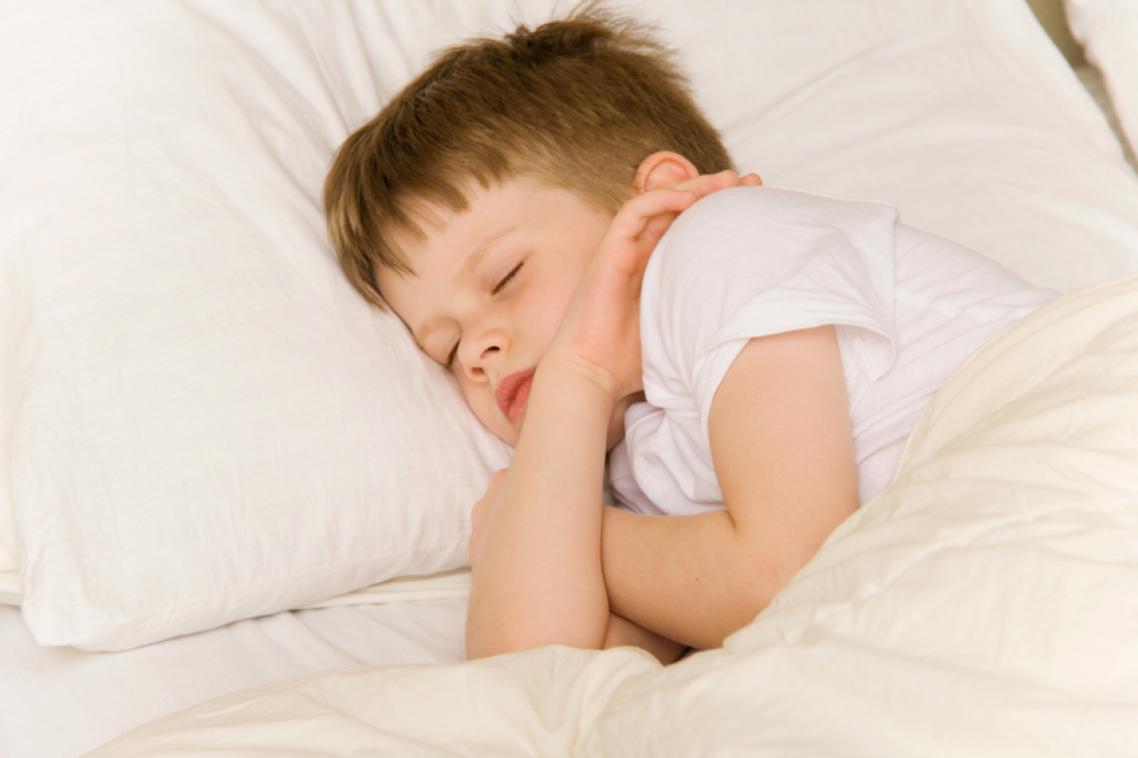
Sleep is vital to wellbeing, but children with attention deficit hyperactivity disorder (ADHD) often have trouble drifting off.
University of Queensland researchers are recruiting trial participants for a study investigating the effectiveness of the natural hormone melatonin on children with ADHD who are struggling to settle at bedtime.
UQ School of Medicine’s Dr Jane Nikles said stimulant medication used to help ADHD symptoms could make sleep problems worse.
Working with Lady Cilento Children’s Hospital researchers, Dr Nikles is conducting an international study to assess the effectiveness of melatonin for individual children with ADHD who are taking stimulants and having trouble sleeping.
Dr Nikles said ADHD was a complex disorder involving difficulties with hyperactivity, concentration and attention.
“Children with ADHD often have difficulty settling down in the evening and this can be further complicated by the medications used to treat ADHD, including stimulants marketed as Ritalin and Dexamphetamine,” Dr Nikles said.
“One of the best ways to see whether your child sleeps better with melatonin is by using a special individual medication effectiveness test.
“We are seeking participants aged between six and 17 years, who have a diagnosis of ADHD, are being treated with stimulant medication and are experiencing sleep difficulties, particularly getting to sleep.”
Children’s sleeping activity would be monitored for two weeks in the trial’s first phase, Dr Nikles said.
“At the end of the two weeks, your child will be given the medication, either melatonin or a placebo, in blocks of one week each, in random order, for six weeks.
“During the six weeks you will be asked to keep a sleep diary and complete some questionnaires, and your child will wear an activity watch to help measure their sleep activity.”
“A detailed report about whether the melatonin worked for your child will be given to your doctor to discuss with you, and to help in treatment planning,” she said.
Dr Jane Nikles - Sleep study (also features Cate, mother of a child in the sleep study) from The University of Queensland on Vimeo, available for media use.
A referral from a GP or paediatrician is required for children to be involved in the international study.
Call +61 7 3365 5106 to make a tax-deductible donation to support this important research.
Media and trial enquiries: Dr Jane Nikles, 0408 599 033 or at uqjnikle@uq.edu.au or School of Medicine Marketing and Communications Manager Brian Mallon, +61 7 3365 5254, b.mallon@uq.edu.au.
The family of a child with ADHD is available for media interviews.
Topics
Related articles

Sick of being told to ‘just lose weight’? Health promotion shouldn’t come with weight stigma
