
Fitness versus fatness
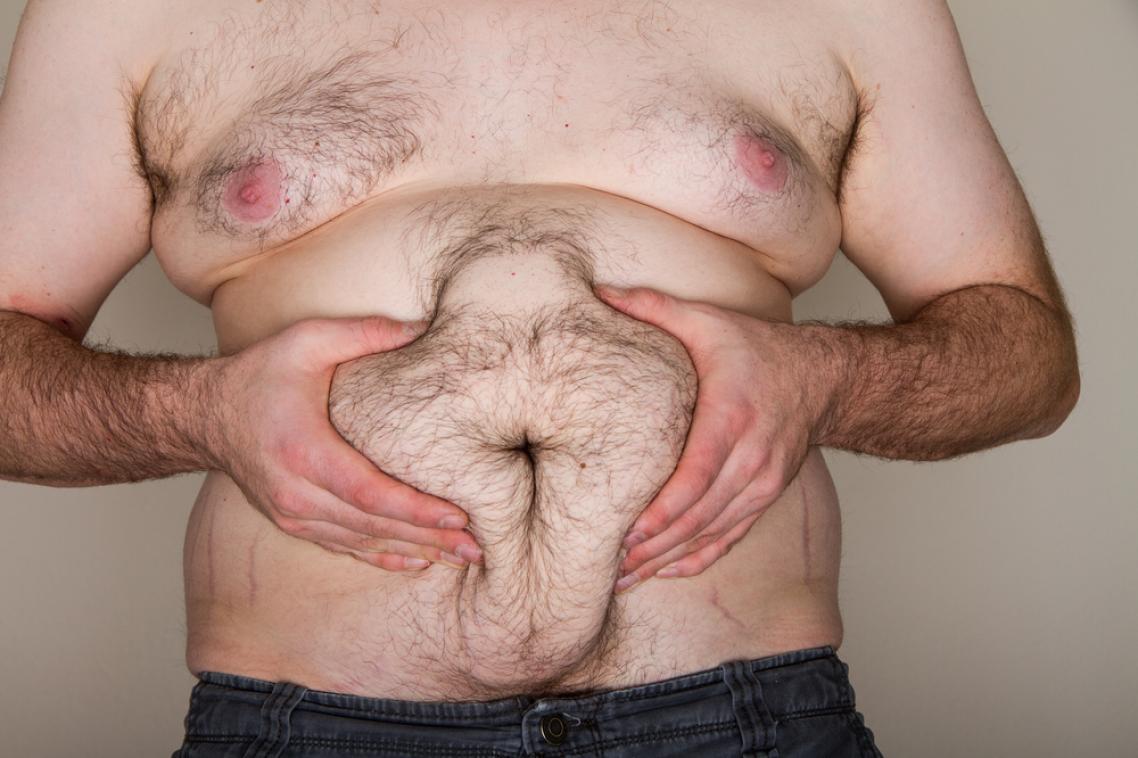
A finding that cardio-respiratory fitness is more important than fat loss for people suffering so-called ‘Syndrome X’ has landed a Queensland researcher a New Investigator Award.
Joyce Ramos, a PhD candidate from The University of Queensland School of Human Movement and Nutrition Sciences, received the honour from Sports Medicine Australia.
“Our investigation focused on people with metabolic syndrome, also known as ‘Syndrome X’ or insulin-resistance syndrome,” Ms Ramos said.
“The syndrome affects those with a combination of obesity plus any two of the following factors – raised triglycerides, reduced HDL cholesterol, raised blood pressure and raised fasting plasma glucose.
“We found that cardio-respiratory fitness, not body fat, is independently associated with the function of pancreatic beta cells, which produce and secrete insulin, regulating blood glucose level.
“To reduce mortality in this patient group, improving cardio-respiratory fitness should have a higher priority to that of fat loss.”
For her work, with a shortened title of Fitness versus Fatness, Ms Ramos was declared best new investigator at the 2015 Sports Medicine Australia Conference at Sanctuary Cove on the Gold Coast.
Co-authors of her study were UQ colleagues Professor Jeff Coombes and Professor Robert G Fassett, Lance Dalleck of Western State Colorado University and Fabio Borrani of The University of Lausanne.
Ms Ramos was also recently lead author on a research paper in the journal Sports Medicine which determined vascular benefits of high-intensity interval training against moderate-intensity continuous training.
Recognition was given to numerous UQ academics at the Sports Medicine Australia Conference. For more information on these achievements, click here.
Media: Joyce Ramos, mary.ramos@uq.net.au , +61 0406 126 162; Robert Burgin, UQ Communications, r.burgin@uq.edu.au, +61 7 3346 3035, +61 448 410 364.
Related articles

We need to be better at improving healthcare, and AI can help
