
Are you recycling right?
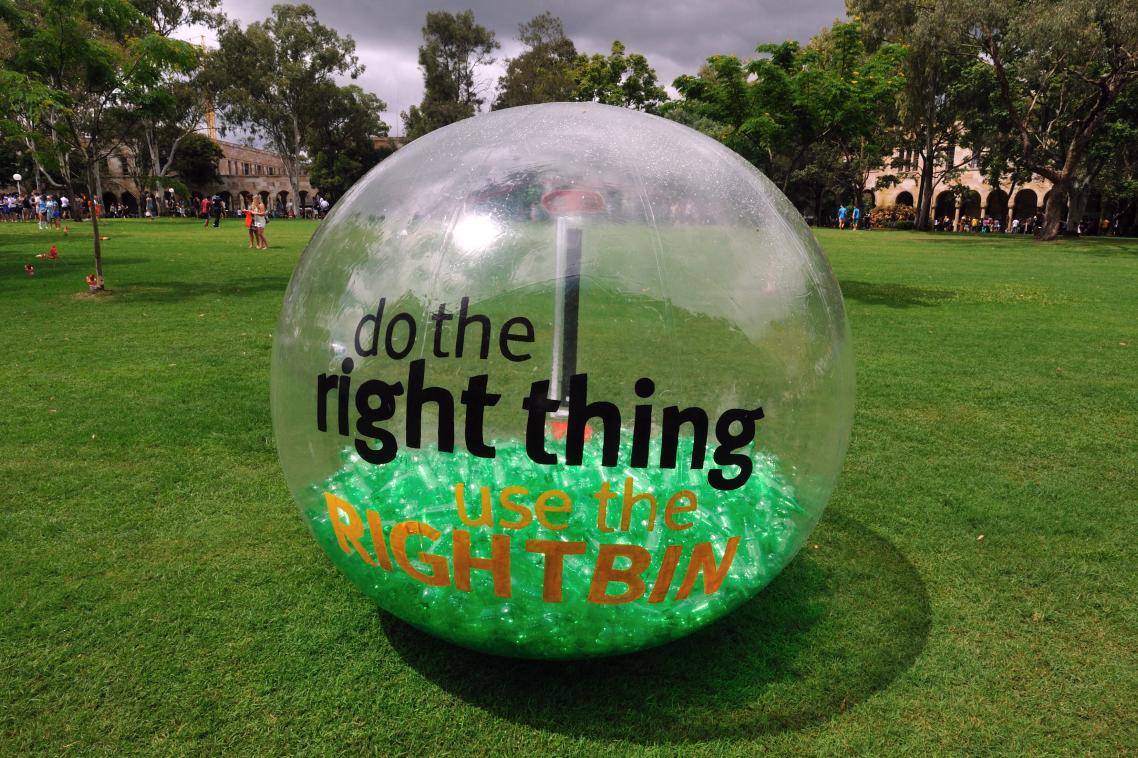
The average Australian will generate about two tonnes of waste each year – twice as much as 20 years ago –and that figure is still rising.
Despite recycling rates steadily increasing to account for just over half of waste disposal, landfill is still a growing problem.
University of Queensland Cleaning Manager Leigh Burgess said processes on campus had helped improve recycling and save waste.
“There are plenty of incentives and opportunities to recycle on campus,” Ms Burgess said.
“Not only are there permanent recycling stations, but there are also programs to properly dispose of old computers and batteries which are toxic.”
According to Ms Burgess, the volume of e-waste being sent to landfill is growing at three-times the rate of other waste and accounts for almost three quarters of toxic waste at rubbish dumps.
“This is concerning, as producing a computer uses about the same amount of chemicals and fossil fuels as a mid-sized car,” Ms Burgess said.
“But if these items are recycled properly, almost all components can be reused.”
Ms Burgess said batteries were another growing toxic hazard, with about two thirds of batteries purchased each year ending up in landfill.
“Both e-waste and batteries can be recycled free of charge on campus.”
To discourage bottled water and take-away coffee cups, UQ St Lucia campus also has water refill stations and incentives to use reusable cups.
“Most of the cafes on campus will give you a pretty good discount if you bring your own cup,” Ms Burgess said.
“So you can save money and help the environment.”
“Take-away coffee cups might look recyclable, but much of the time they actually aren’t.”
Australians use about 5.5 million tonnes of paper and cardboard each year, with less than half being recycled — despite both being 100 per cent recyclable.
To curb this figure, UQ offices and labs are stocked with recycled paper and provided with paper recycling bins.
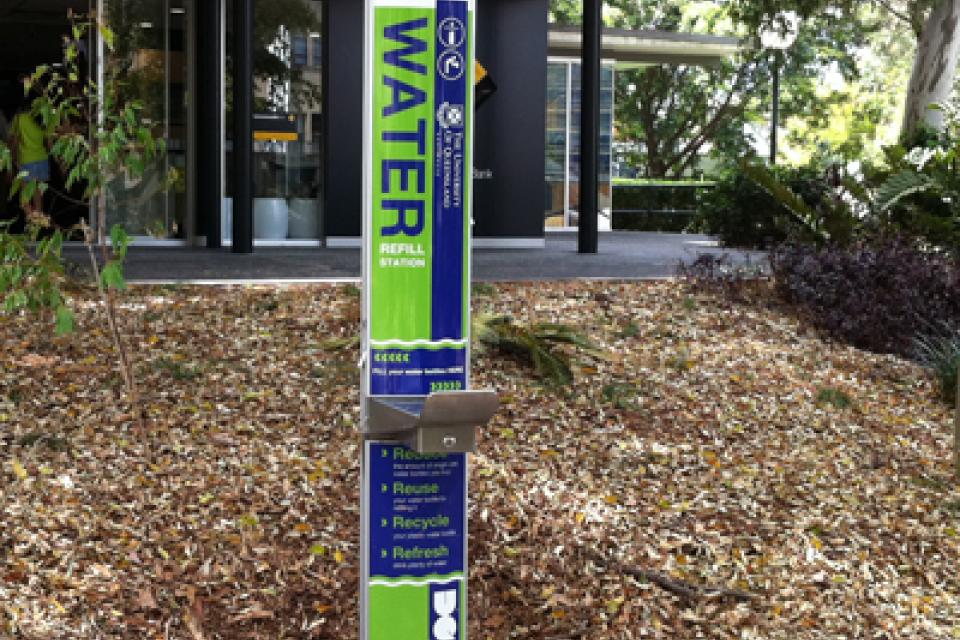
- Bring your own water bottle, lunch container and recyclable coffee cup to campus
- Don’t print unless absolutely necessary, in which case print double-sided and always put paper and cardboard in their own bin.
- Always use the right bin for the right waste.
To request a co-mingled recycling bin or to dispose of e-waste, contact recycling@pf.uq.edu.au .
To request a paper recycling bin, contact clean@pf.uq.edu.au.
To recycle batteries contact chemwaste@uq.edu.au.
Media: Casey Fung, c.fung@uq.edu.au, +61 7 3346 7887.
Related articles

Transforming communities: 2026 UQ Alumni Award winners
