
Do you need protein supplements to get ripped?
View this story on Science Over Coffee.
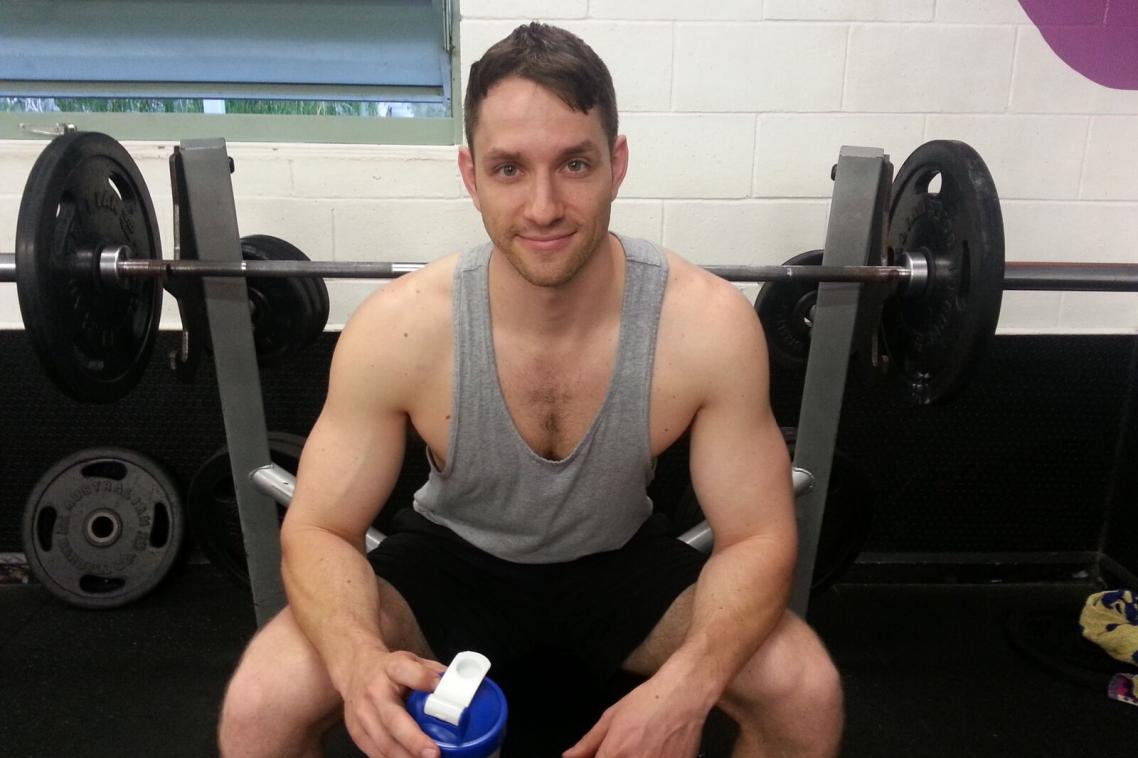
Many people spend hours in the gym every week and fill up on protein supplements in the quest for a ripped physique, but could all that hard work and money spent on sweet tasting powder be in vain?
According to a University of Queensland physiology and nutrition expert, expensive supplements may be nothing more than a waste of money.
UQ School of Human Movement and Nutrition Sciences researcher Dr David Jenkins argues that more protein doesn’t necessarily mean more muscle.
“Because muscles are made of protein, there’s a misconception that if you eat more protein you get more muscle,” Dr Jenkins said.
“In principle this is true, but there are two considerations that over-ride this.”
“Provided you eat a healthy and balanced diet, you consume far more protein than you actually need.
“Any extra protein we consume is probably not going to have any additional effect.”

Dr Jenkins said timing meals around workouts was important for muscle growth.
“Having 20 grams of high quality protein that includes leucine and the other essential amino acids immediately before or after exercise will promote muscle growth and repair.”
He said whey protein, marketed as being the best work out supplement, tended to have higher amount of leucine and the other essential amino acids.
“However there is no long term evidence that expensive supplements from the shop are any better than just drinking flavoured milk,” Dr Jenkins said.
“Provided a food source has the essential amino acids and the timing of intake is carefully considered, this will provide the right environment for muscle growth.”
Stay tuned for Dr David Jenkins explaining diet, exercise and weight loss on the next episode of Science over Coffee.
Media: Casey Fung, c.fung@uq.edu.au, +61 7 3346 7887
Topics
Related articles

Prolapse is common after pregnancy and later in life. Here’s what to look out for
