
How to protect your pets from heat stress
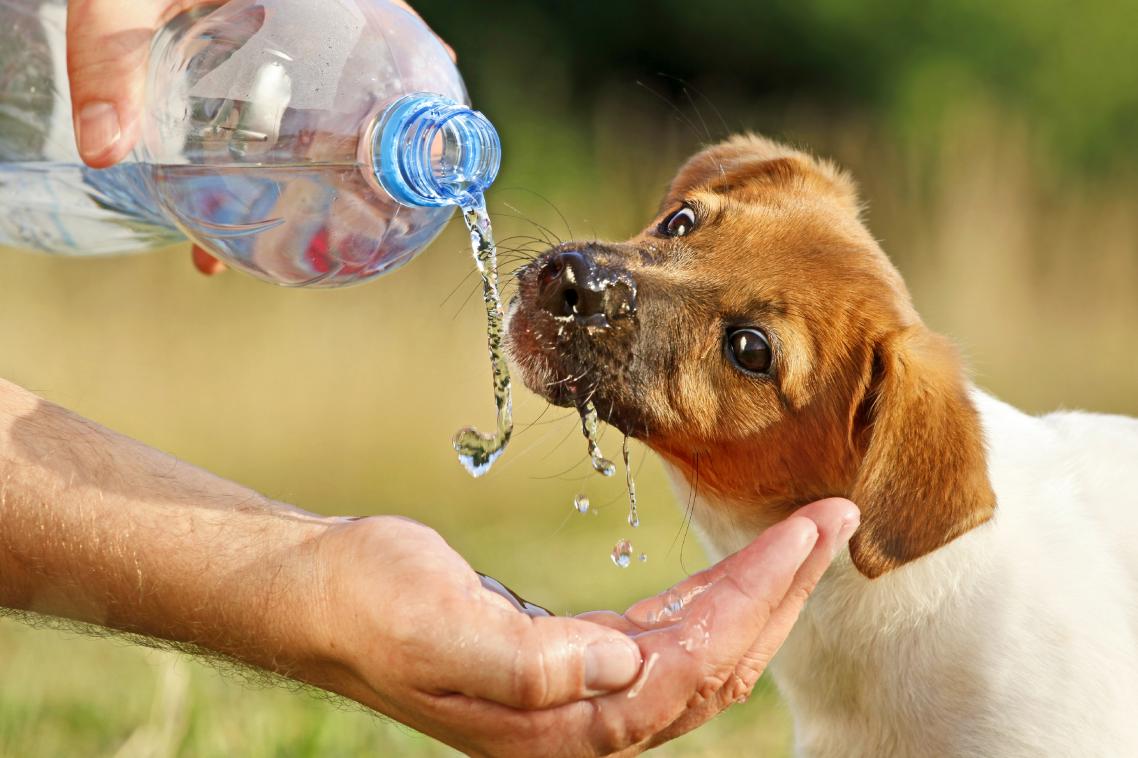
A University of Queensland veterinary expert has warned Queensland pet owners to be aware of the risks overheating and heat stress pose for their animals.
UQ School of Veterinary Science researcher/lecturer Dr Donna Spowart said heat stress struck when the core body temperature rose above the normal range, potentially damaging organs and tissues.
“It’s a very serious condition and can be life threatening,” she said.
Dr Spowart offered a series of tips to prevent overheating and heat stroke in pets
- Provide pets with a cool, shaded area with good ventilation.
- Provide access to ample clean and fresh water, preferably with additional water sources.
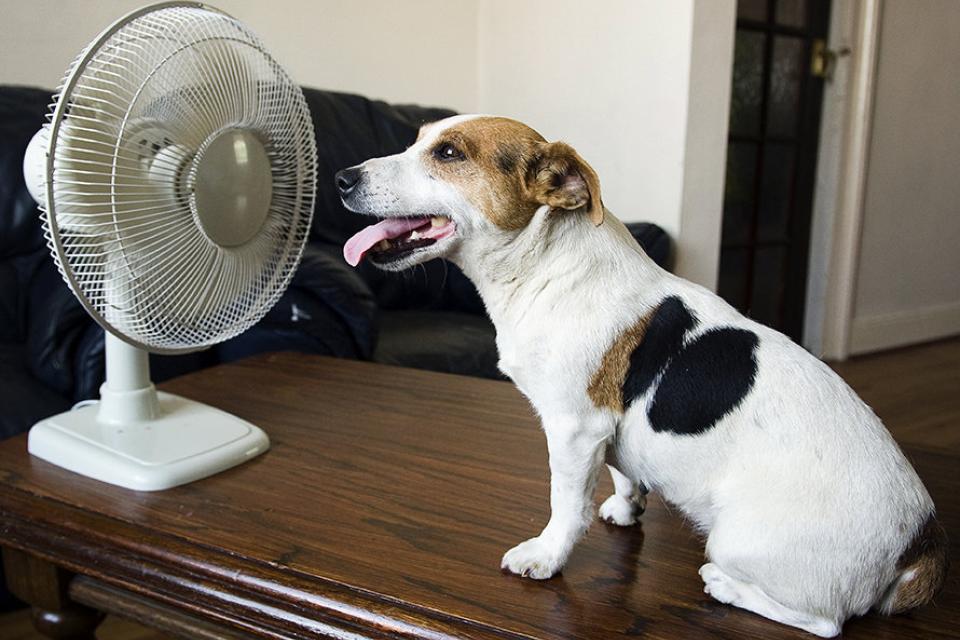
- If possible, bring animals indoors (if it is cooler than outside) with access to fans, air conditioning or open windows.
- Do not exercise animals in hot conditions. Animals should only be walked early in the morning or late in the afternoon when it is cooler. Exercising pets on hot asphalt, concrete or sand can also result in extensive burns to paw pads (this may also occur on the back of utes).
- Do not leave pets inside your cars, even with windows down. The temperature in vehicles can rise quickly on hot days, and can quickly result in fatal overheating.
- Small animals such as birds, guinea pigs, rats and mice are particularly susceptible to potentially fatal heat stress. These pets should be moved to cool, shaded and well-ventilated areas and provided with plenty of clean, fresh drinking water.
Dr Spowart said the symptoms of heat stroke could vary greatly between individual animals, but pet owners should be alert to the following:
- Excessive salivation/drooling
- Incessant panting
- Restlessness or collapse/lethargy
- Very red or very pale gums
- Breathing distress
- Vomiting/diarrhoea (possibly with blood or black)
- Signs of confusion
- Dizziness/staggering
- Muscle tremors
- Seizures
- Little/no urination
- Coma
“Pet owners need to act quickly if they suspect their pet is suffering heat stroke,” she said.
“Attempt to cool your pet at home by applying or spraying tepid or cool water onto their fur or skin, followed by fanning to maximise heat loss, but don’t use ice-cold water as this may exacerbate the problem.
“Then take your pet to the nearest vet immediately. Heat stroke is a life-threating emergency and veterinary assessment should always be sought.”
Dr Spowart said vets were trained to assess and provide emergency treatment for heat stroke.
“This could involve cooling treatments, intravenous fluid therapy, oxygen therapy, medication, blood tests to check organ function, and ongoing monitoring and treatment.
“All animals are susceptible to heat stroke, but there are factors that can exacerbate signs or susceptibility,” she said.
“These include obesity, thick or long coats, excessive exercise, dehydration, respiratory disease and breathing problems, heart disease and neurological or brain disease.
“Puppies and kittens, geriatric pets and brachycephalic breeds such as pugs, bulldogs and, Himalayan cats are also at greater risk,” she said.
Media: Casey Fung, c.fung@uq.edu.au, (07) 3346 7887.
Topics
Related articles

UQ to support development of mobile launcher for high-speed flight R&D
