
Creating change through environmental law
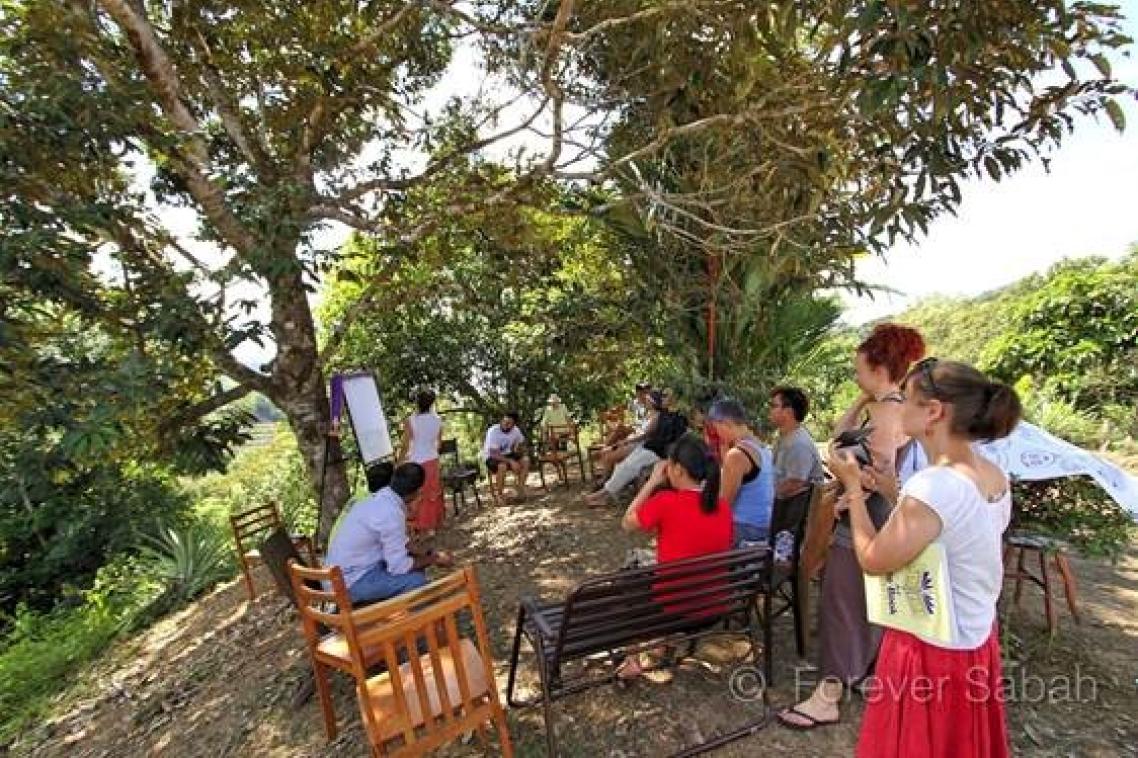
Two University of Queensland law students have been putting their skills to the test in the Malaysian state of Sabah, in Borneo, through pro bono legal work.
TC Beirne School of Law student Jessica Mudryk and recent graduate Jemma Lanyon undertook a summer vacation internship with Forever Sabah, an organisation that supports Sabah’s transition to a diversified and equitable economy.
The two aspiring lawyers researched Association of Southeast Asian Nations (ASEAN) and Malaysian state of Sarawak policies and laws for a project on agribusiness and ape conservation, and also compared invasive alien species law in Malaysia and Australia.
They attended civil society meetings about a new state-wide initiative to certify sustainable palm oil.
Ms Mudryk said the experience had been invaluable in understanding how the law could be used to protect wildlife.
“The importance of environmental law became so clear when trekking through the Malaysian jungle and seeing its unique biodiversity first-hand,” she said.
“It is devastating to consider a future without iconic species such as orangutan.”
Ms Lanyon said it was fulfilling to put her university study into practice for an important cause.
“It highlighted how a rights-based, multi-faceted approach to environmental law can create enormous change simply by making the law accessible and facilitating discussions between parties who may never have been in the same room before,” she said.
“It’s inspiring to see the difference a small group of incredibly passionate, informed lawyers can make outside of a court room.”
Forever Sabah Legal Innovation program coordinator Holly Jonas said she was impressed by the students’ commitment, passion and intellect.
“The internships offer UQ law students the opportunity to gain practical experience in a non-profit organisation and contribute to a cutting-edge initiative in one of the world’s biological and cultural-diversity hotspots,” she said.
“We hope to develop our partnership with the UQ Pro Bono Centre into an accredited legal clinic.”
UQ Pro Bono Centre Director Monica Taylor said the TC Beirne School of Law was committed to developing a strong pro bono ethos and public service in its students.
Media: Monica Taylor, m.taylor@law.uq.edu.au, +61 7 3346 9351, +61 (0) 431 866 344.
Related articles

Unpacking wheat’s water use for drought research
