
Poo power no longer just a pipe dream
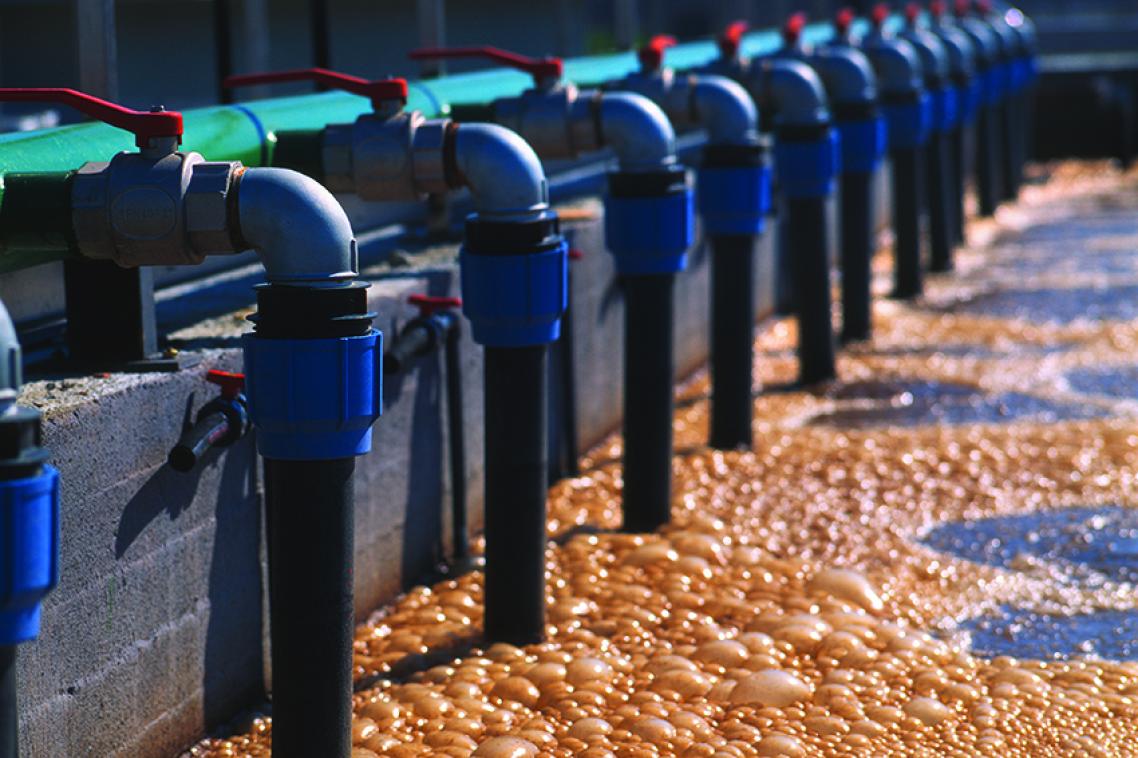
Sewage treatment uses huge amounts of energy, accounting for up to 20 per cent of total electricity consumption in some cities – but what if that waste could be turned back into power?
A University of Queensland researcher has done just that, partnering with Queensland Urban Utilities to convert biogas into electricity.
The UQ Advanced Water Management Centre’s Dr Shihu Hu has been researching at Queensland’s largest wastewater treatment facility, at Brisbane’s Luggage Point.
“The site gives me unlimited access to free samples, with about 60 Olympic swimming pools of waste arriving every day,” he said.
“The organic material in that waste can be broken down to produce biogas rich in methane.
Wastewater contains concentrated amounts of nitrogen that can lead toxic algae blooms and oxygen depletion or dead zones if it enters natural waterways.
Most wastewater treatment facilities use ethanol for nitrogen removal, costing millions of dollars each year.
Dr Hu said this expensive process used up almost half the organic matter in the waste, meaning less was available for conversion to methane.
“The new technology we are developing can recover more methane without requiring ethanol to be used to remove nitrogen,” he said.
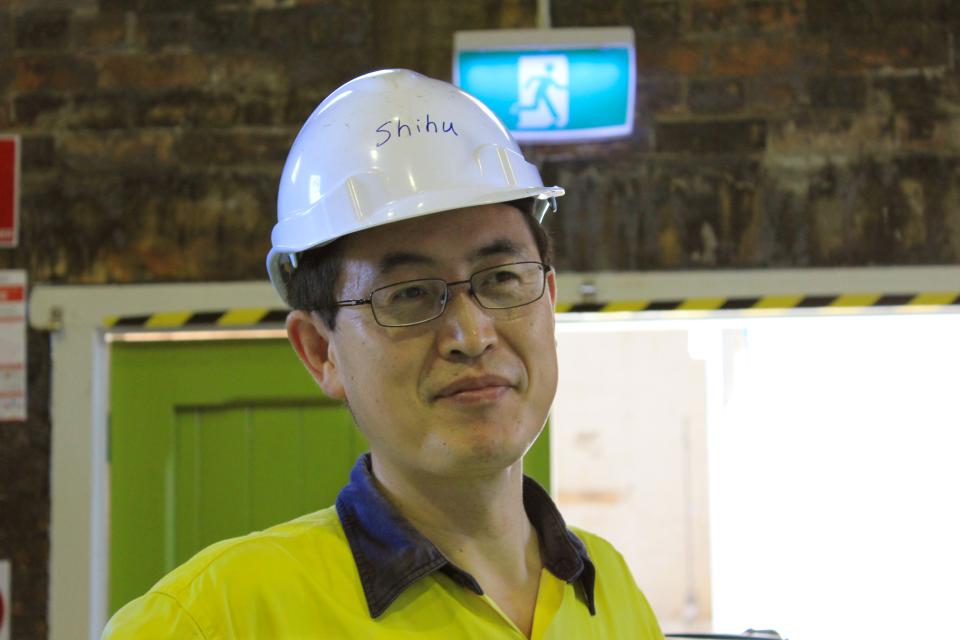
Thanks to a $300,000 Advance Queensland Research Fellowship, Dr Hu can upscale his work, with potential for it to be implemented in many more wastewater facilities.
“We expect this technology will be rapidly adopted,” he said.
“It means the energy-intensive water treatment industry can go from big energy consumers to being energy neutral.
“It would save hundreds of thousands of dollars for large facilities and it is more sustainable for the planet.”
QUU and AWMC Innovation 2016 from AWMC on Vimeo.
Dr Hu said his research with Queensland Urban Utilities since 2011 had enabled him to get insight from operators and to work translate laboratory research to 1.2 kilometres of piping at Luggage Point.
Media: Advanced Water Management Centre, Sharon James, s.james@awmc.uq.edu.au, 07 3346 7205; Casey Fung, c.fung@uq.edu.au, 07 3365 5825.
Topics
Related articles

UQ design strategy could help Defence succeed in modern conflicts
