
Queenslanders to battle cane toads
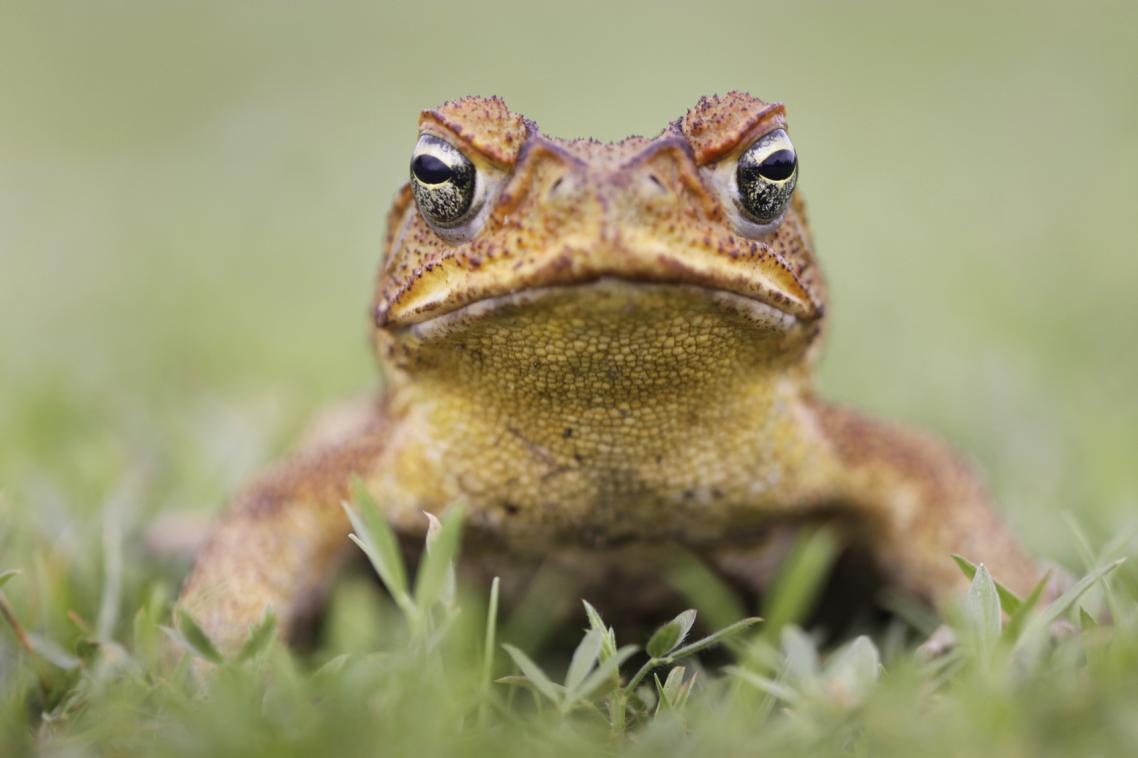
Queensland researchers have made a big leap forward in their quest to eradicate the billions of cane toads wreaking havoc on our native wildlife and habitats.
Environmentally friendly cane toad traps – developed by a team of researchers from The University of Queensland and The University of Sydney – are one step closer to production, following an agreement between UQ and US-based pest control company, SpringStar Inc.
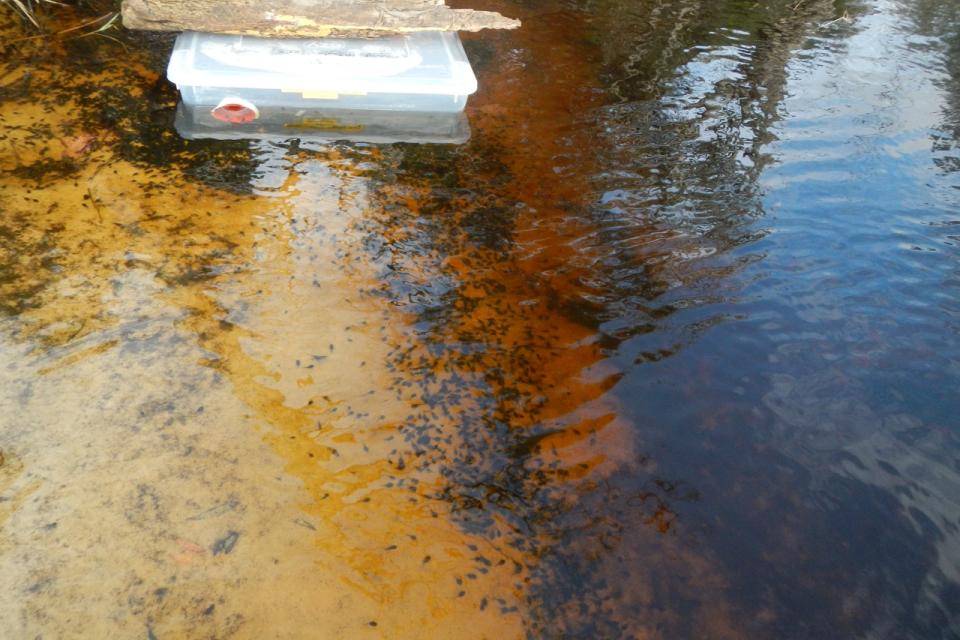
UQ Institute for Molecular Bioscience (IMB) researcher Professor Rob Capon said the simple science-based trap used a chemical from adult cane toads’ own toxin to attract and trap cane toad tadpoles, before they had the opportunity to reproduce.
“People have been searching for a solution to control the rapidly reproducing species for almost 80 years.
“Unlike previous traps, ours has proven to remove significant numbers of toads from our ecosystems quickly and easily – without harming other animals,” Professor Capon said.
“Field trials at Brisbane’s Mt Coot-tha Botanical Gardens recently trapped more than 50,000 cane toad tadpoles in just two weeks without impacting the native wildlife.”
The licence agreement with SpringStar Inc – specialists in the development and manufacture of innovative, biologically-based and environmentally responsible pest control products – was brokered by UniQuest, UQ’s main commercialisation company.
UniQuest CEO Dr Dean Moss said the partnership with SpringStar Inc was a promising development.
“This agreement will allow UQ to work with SpringStar to refine trap prototypes and attractant technology with the aim to make the product available for widespread use,” Dr Moss said.
SpringStar Inc co-founder Michael Banfield said he was excited to add cane toad traps to a growing portfolio of non-toxic pest management products which included mosquito traps for dengue and zika.
“Our research team is excited to start working on this problem,” Mr Banfield said.
"I look forward to expanding our business into Australia and starting a manufacturing facility to service the Pacific and Southeast Asia.”
Cane toads were introduced to Queensland in 1935 in a failed attempt to eradicate the cane beetle, and have had a devastating environmental impact across the country.
Professor Capon said IMB researchers were seeking everyday Queenslanders to hop on board the Cane Toad Challenge and conduct field research in their local areas.
“For the first time, we have a real and effective solution to a problem that has been plaguing Queensland for 80 years,” he said.
“While we work with SpringStar towards the trap’s optimisation and manufacture, we need every day Queenslanders additional partner organisations to help us with continuing research to ensure the trap’s success.”
If cane toads are affecting your local area or business, and you would like to be part of IMB’s ground-breaking work, visit www.imb.uq.edu.au/canetoadchallenge.
SpringStar Inc. is a privately-held US company intent on starting Australian operations.
Caption 2: A cane toad trap.
Media: communications@imb.uq.edu.au, 07 3346 2134, 0416 273 279 ; n.cowan@uniquest.uq.edu.au, 0409 767 199.
Related articles

‘Forever renting’ is common in New York, California and Europe. What lessons can we learn?
