
Bright spots shine light on the future of coral reefs
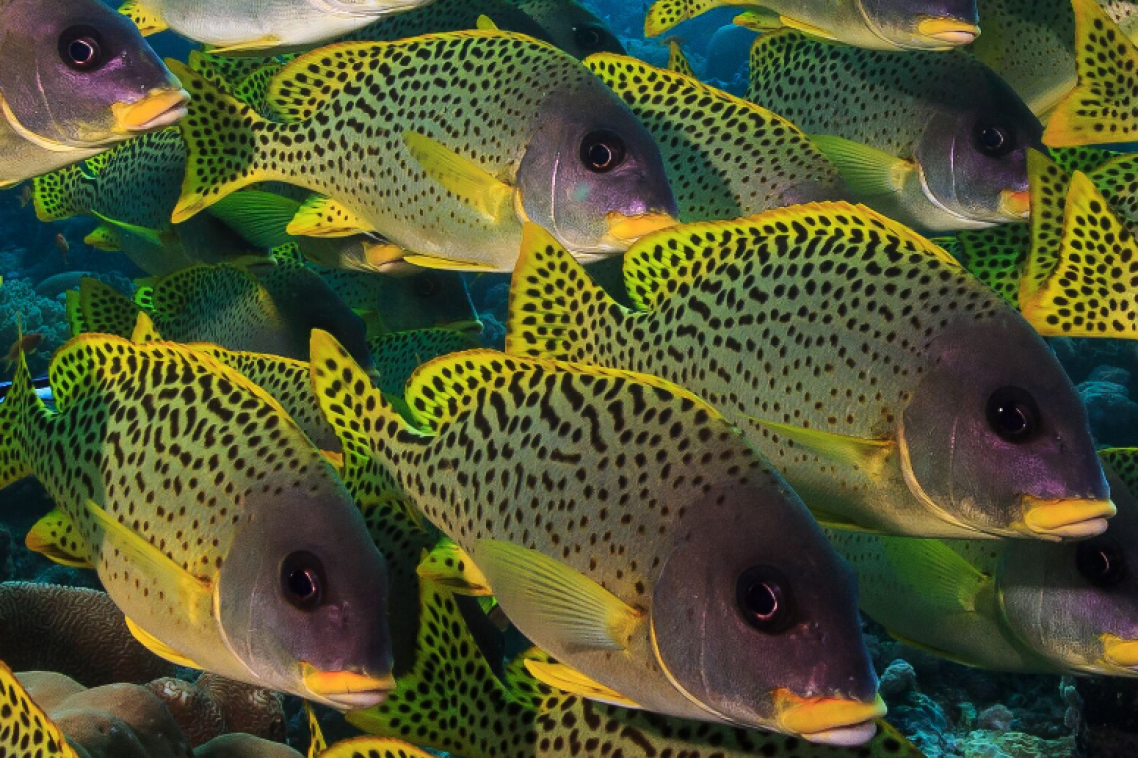
Researchers including University of Queensland and Centre of Excellence for Environmental Decisions (CEED) scientists have discovered a handful of “bright spots” among the world’s embattled coral reefs, offering the promise of a radical new approach to conservation.
In one of the largest global studies of its kind, the researchers conducted more than 6000 reef surveys in 46 countries, and discovered 15 ‘bright spots’ – places where against all the odds, there were a lot more fish on coral reefs than expected.
UQ Centre for Biodiversity and Conservation Science and CEED researcher Dr Maria Beger said current global conservation efforts protected places with high ecological integrity and low threat.
“However, long-term management success requires action in places where people and coral reefs need to co-exist,” she said.
“Discovering bright spots might be the first step towards such integrated conservation.”
The study was led by James Cook University ARC Centre of Excellence for Coral Reef Studies researcher Professor Josh Cinner, who said the discovery of bright spots that were faring much better than anticipated was exciting, particularly in light of widespread global depletion of coral reef fisheries.
“These ‘bright spots’ are reefs with more fish than expected based on their exposure to pressures like human population, poverty, and unfavorable environmental conditions,” he said.
“To be clear, bright spots are not necessarily pristine reefs, but rather reefs that have more fish than they should, given the pressures they face.
“We wanted to know why these reefs could ‘punch above their weight’ so-to-speak, and whether there are lessons we can learn about how to avoid the degradation often associated with overfishing,” Professor Cinner said.
Dr Christina Hicks of Lancaster and Stanford Universities said many bright spots were found in reefs that had strong local involvement in how the reefs were managed, local ownership rights, and traditional management practices.
The scientists also identified 35 ‘dark spots’ with fish stocks in worse shape than expected.
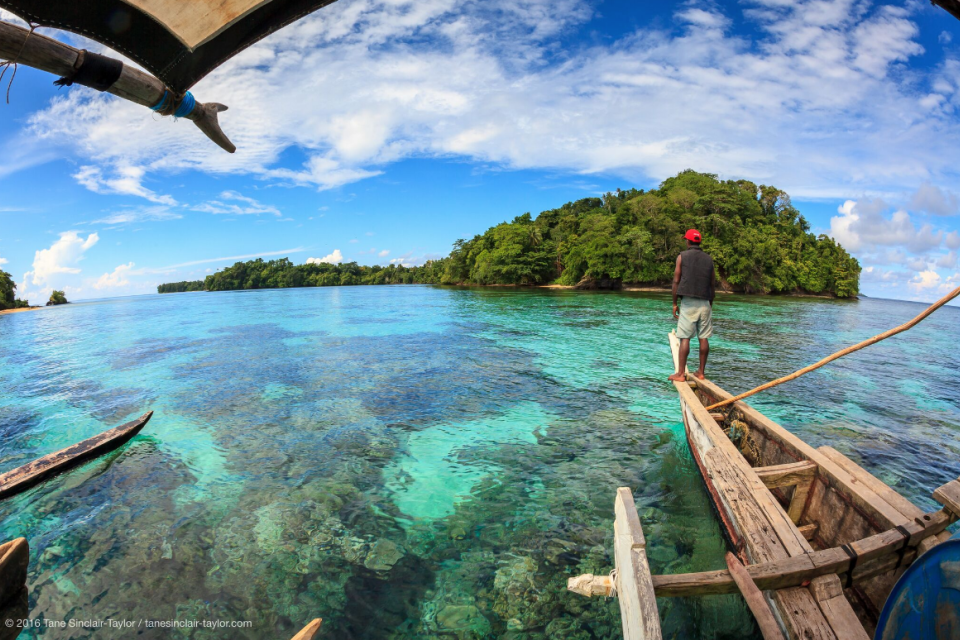
Bright spots were typically found in the Pacific Ocean in places including the Solomon Islands, parts of Indonesia, Papua New Guinea and Kiribati.
Dark spots were more globally distributed and found in every major ocean basin.
Thirty-nine scientists from 34 universities and conservation groups contributed to the research, which is published in the journal Nature.
Above photo: A traditional Melanesian outrigger over the diverse coral reef aroundthe island of Mbuke in the Manus Province of Papua New Guinea. Photo: Tane Sinclair-Taylor.
Media: Dr Maria Beger, m.beger@uq.edu.au, +61 7 3346 0880, or 0417 593080.
Related articles

‘Forever renting’ is common in New York, California and Europe. What lessons can we learn?
