
New research partnership to boost northern cattle industry
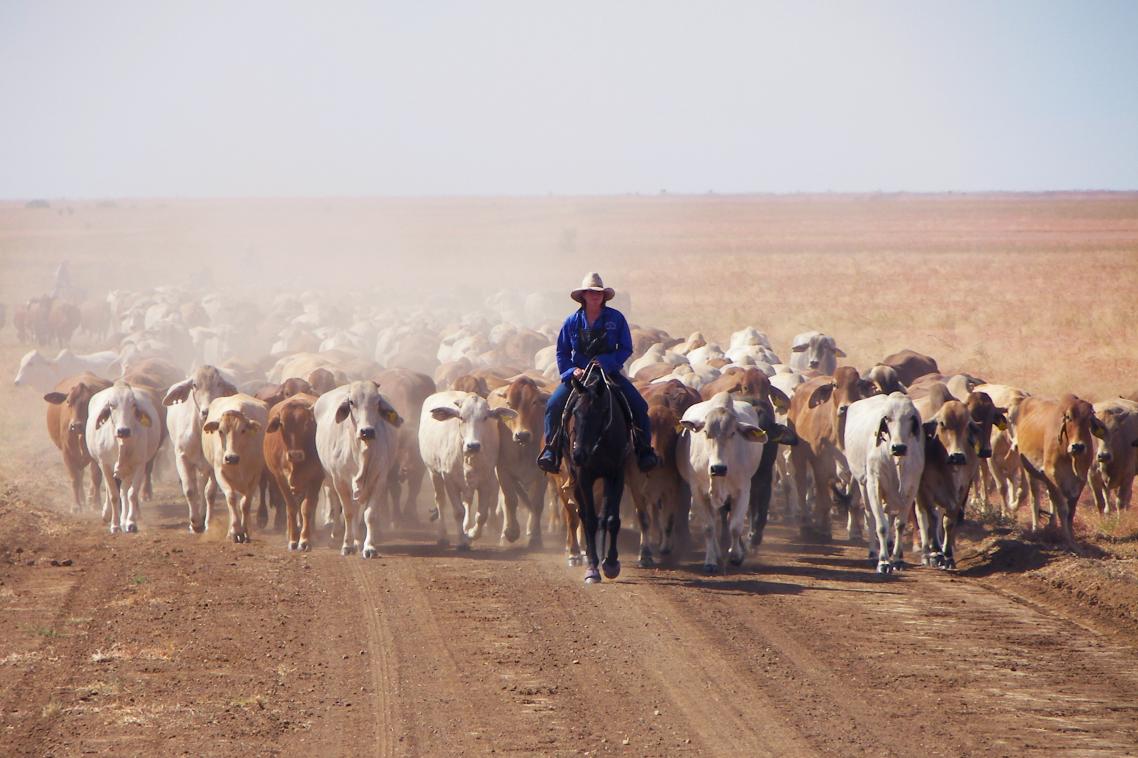
A multi-million dollar research and development program launched today will provide a massive boost to Australia’s vital northern beef cattle industry.
The Northern Beef Collaborative Partnership between Meat & Livestock Australia (MLA) and The University of Queensland (UQ) is the most significant injection of research funds into northern beef cattle for 20 years and is designed to deliver significant productivity gains for producers.
MLA Managing Director Richard Norton said the collaboration between the MLA Donor Company (MDC) and UQ was worth up to $8 million a year for a minimum of three years and targeted productivity improvement research projects in three main areas:
- Animal nutrition, supplementation and feedbase
- Cattle health and welfare
- Reproduction efficiency and management
“Investments of this calibre are vital to the ongoing prosperity of northern beef producers,” Mr Norton said.
UQ Vice-Chancellor and President Professor Peter Høj said the partnership would create change across a vitally important sector of the Queensland and Australian economy.
“Collaboration between researchers and industry is essential if we are to translate world-class research into achievable, practical solutions that benefit industry, society and the environment,” he said.
“This exciting development takes advantage of the extraordinary research capacity at UQ which has been built with support from the Queensland Department of Agriculture and Fisheries.”
UQ’s Professor Stephen Moore, Director of the Centre for Animal Science at the Queensland Alliance for Agriculture and Food Innovation (QAAFI), said the investment recognised the challenges facing northern beef producers.
“With the support of longstanding partners at the Department of Agriculture and Fisheries, this new investment will allow us to increase the impact of our research in northern beef,” Professor Moore said.
“We aim to build sustainable growth across the industry, harnessing technology-driven changes to help northern beef enterprises face challenges such as uncertain climate conditions and regulatory impacts.”
MLA Managing Director Richard Norton said the partnership would drive on-farm productivity gains in northern Australia and have the scope to include wider research into other key profit drivers in the North.
“This is an exciting opportunity for northern red meat producers and will demonstrate the importance of collaboration across our industry when it comes to new research and adoption,” Mr Norton said.
“Through collaboration with respected partners like UQ, and the use of our subsidiary the MLA Donor Company, MLA is generating new research and development investment that will have a real and lasting impact for industry.”
Media: MLA Media Manager Josh McIntosh, jmcintosh@mla.com.au, 0404 055 490; UQ Centre for Animal Science Director Professor Stephen Moore, s.moore3@uq.edu.au, +61 417 687 713.
Related articles

UQ nutrition trial targets healthier piglets with fewer antibiotics
