
UQ sewer technology bound for international markets
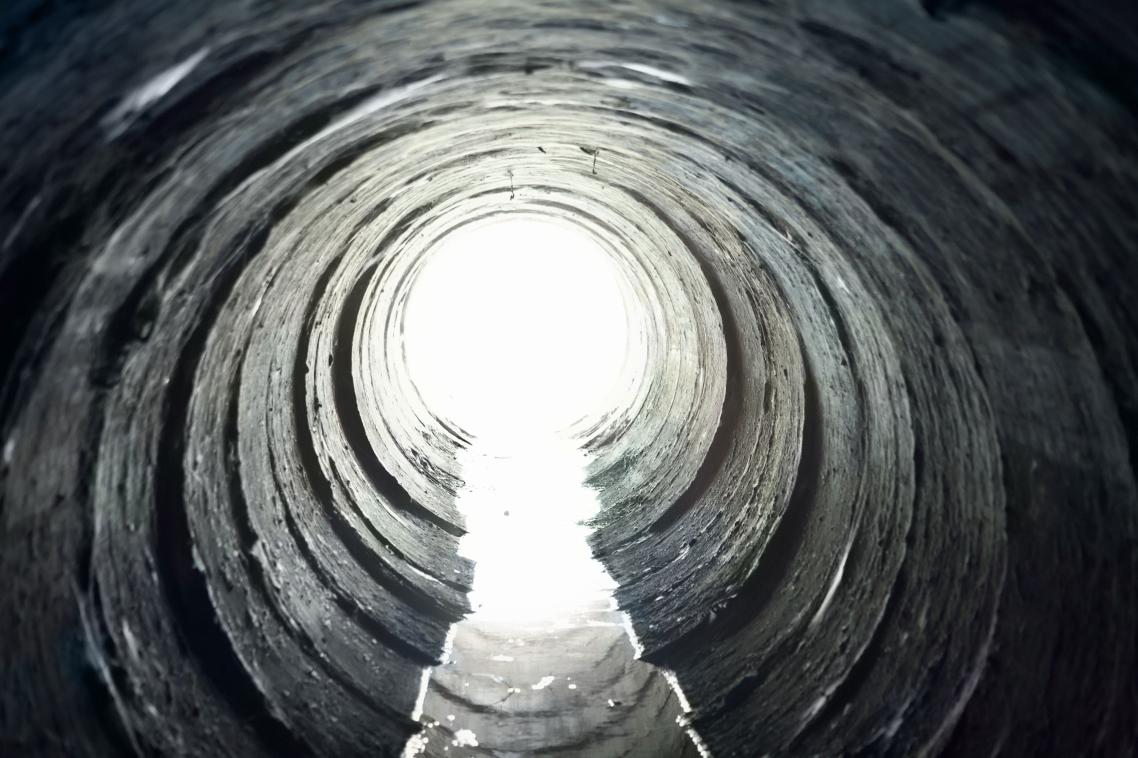
A treatment developed at The University of Queensland to control sewer odour and corrosion is set for the international market.
Researchers from The University of Queensland’s Advanced Water Management Centre developed the technology, which uses free nitrous acid to remove biofilms that adhere to the inner surfaces of sewer mains.
UQ commercialisation company UniQuest has negotiated an exclusive licence agreement with USP Technologies, an Atlanta-based provider of chemical treatment programs for water and wastewater applications.
Lead researcher and Advanced Water Management Centre Director Professor Zhiguo Yuan said the technology was developed with municipal wastewater collection systems in mind.
“Corrosion and odour problems in sewers are most often caused by sulphate-reducing bacteria in sewer biofilms that produce hydrogen sulphide,” Professor Yuan said.
“Hydrogen sulphide is released into the atmosphere above the wastewater, causing odour problems, and is converted by sulphide-oxidising bacteria into sulphuric acid, which is corrosive to concrete sewer pipes.
“Sewer networks can include many kilometres of sewer pipe and various topographical elements, such as rising mains.
“These can create ‘hot spots’ where sulphate becomes sulphide, accelerating corrosion and causing odours, leading to community complaints.
“Most existing treatments for managing sulphide-related problems in sewers involve sewer pipe lining, sewer air ventilation with follow-on air treatment and round-the-clock chemical dosing, resulting in high operating costs.”
USP general manager Tom Walkosak said the “innovative and cost-effective” UQ technology can help solve an ongoing multi-billion-dollar problem for water utilities.
“This technology is different from existing treatments because it is delivered intermittently, provides longer duration control and effectively stops the production of hydrogen sulphide at its source,” Mr Walkosak said.
“It is highly effective, can be used in sensitive environmental areas or to treat smaller lines, and offers water utilities the opportunity to make significant reductions to their maintenance costs.
“According to the Water Infrastructure Network, the total annual cost of hydrogen sulphide corrosion in the US sewer network in 2000 was $US13.75 billion.”
UniQuest chief executive Dr Dean Moss said the first Australian field trial of the UQ technology was undertaken by UQ in 2012 in collaboration with USP and the Gold Coast City Council in 2012, followed by a second field trial in partnership with USP and Unitywater at Scarborough on Moreton Bay in 2014.
“These trials led to further refinement of the technology and ongoing field tests in the US,” he said.
“It’s always exciting to see tangible results from industry engagement, but this is a fantastic example of universities and companies working together to produce a solution to a costly problem and then to refine that solution.”
USP expects to market for the UQ-developed technology in North America, Australia, China and Europe.
UniQuest Communications: Nicole Cowan, n.cowan@uniquest.com.au, +61 7 (0)409 767 199.
Topics
Related articles

UQ to support development of mobile launcher for high-speed flight R&D
