
Funding for a tumour-free future
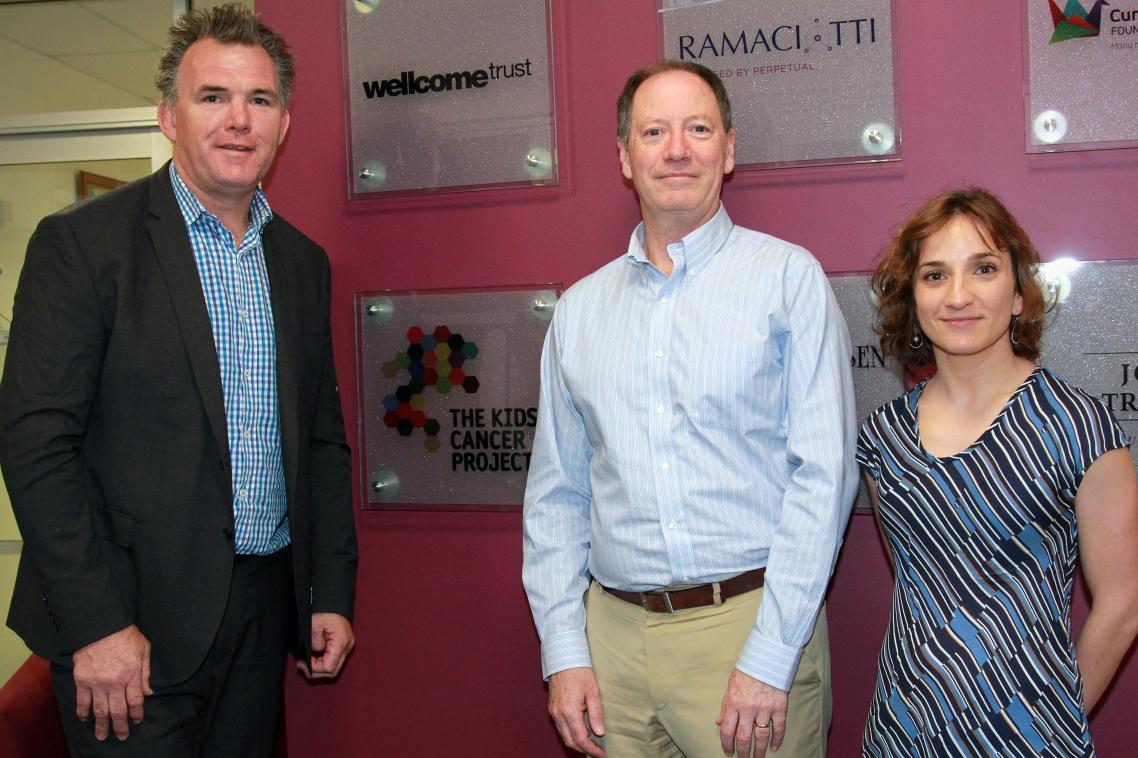
A future where no children suffer deadly brain tumours may be within reach, thanks to the vision of a team of researchers from The University of Queensland and generous funding.
Brain tumours are the leading cause of cancer-related death and disability in children, with medulloblastoma – a tumour arising in the cerebellum – the most deadly.
UQ Institute for Molecular Bioscience researcher Dr Laura Genovesi said the prognosis for children with brain tumours was typically bleak.
But a $260,420 grant from The Kids’ Cancer Project will enable Dr Genovesi and her team to continue their quest to develop better treatments – and eventually cures – for these devastating conditions.
“Fewer than 35 per cent of children with medulloblastoma survive if the tumour is recurrent, metastatic (spread to the spine), or if the child is younger than three years old,” Dr Genovesi said.
“Medulloblastoma which frequently spreads along the surface of the brain and spinal cord is essentially incurable following a relapse after chemo-radiotherapy treatment.”
Globally, medulloblastoma affects two million people a year with children 10-times more likely than adults to be inflicted. In Australia, about 200 new cases of childhood brain and spinal tumours are diagnosed annually.
Dr Genovesi said despite its prevalence there had been few scientific developments in the way these brain tumours were treated.
“Over the past two decades therapeutic advances have been limited – well below that of other childhood cancers such as leukaemia – and this is something we are determined to change.”
Current treatments are extremely toxic on small bodies with devastating side-effects such as severe cognitive impairment, hearing loss and renal failure.
Institute for Molecular Bioscience Director Professor Brandon Wainwright said his research team aimed to better understand the architecture of medulloblastoma development which would help scientists more accurately predict disease risks and develop new targeted treatments.
One of the targeted treatments the team is developing is a drug that controls cells dividing and therefore prevents tumour growth.
“Current therapies take a one-size-fits-all approach so the prospect of targeted treatments is incredibly exciting and would revolutionise treatments world-wide,” Professor Wainwright said.
“My goal is to cure a child of this awful illness and put myself and my staff out of a job. Thanks to the funding from The Kids’ Cancer Project, this could become a reality.”
Media: Gemma Ward, IMB Communications, communications@imb.edu.au, 07 3346 2155, 0439 651 107.
Related articles

Feed the children: food provision in early childcare falls short
