
Accelerated level of climate change impacting ecological processes
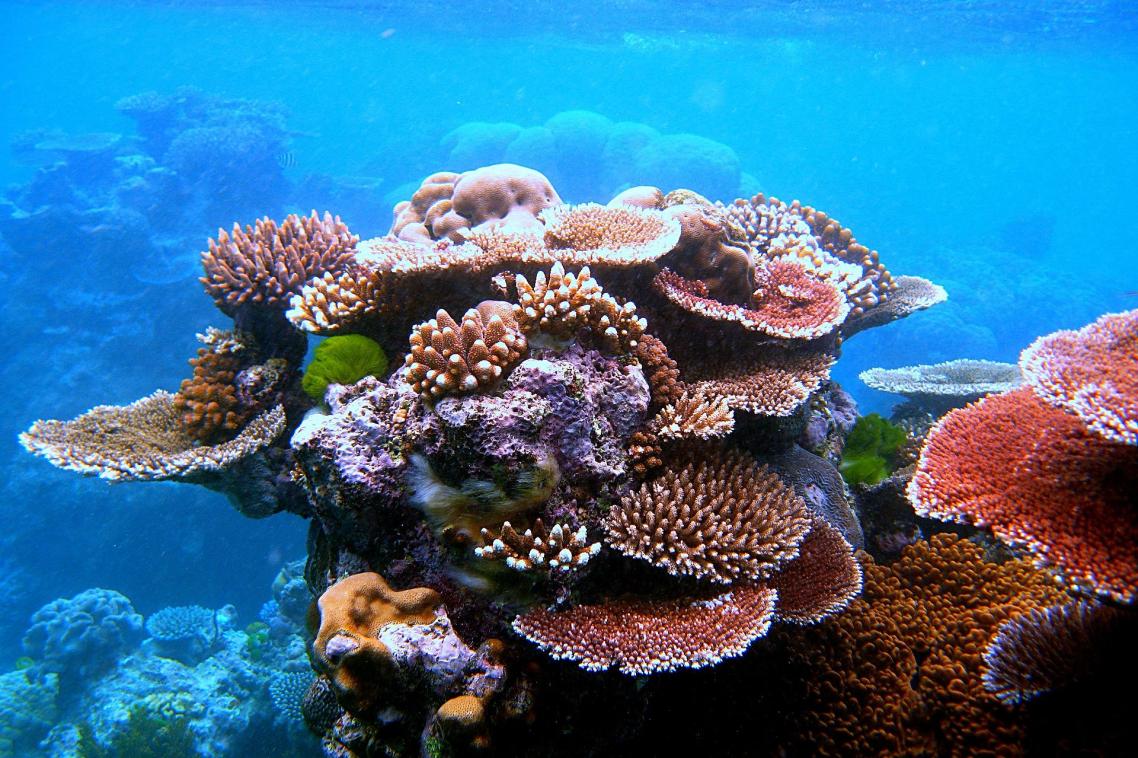
Every aspect of life on Earth has already been impacted by global changes in temperature from human-induced climate change according to a new international study involving researchers from The University of Queensland.
The study found more than 80 per cent of ecological processes that form the foundation for healthy marine, freshwater and terrestrial ecosystems are already showing signs of distress and response to climate change.
UQ’s School of Geography, Planning and Environmental Management Associate Professor James Watson said researchers were shocked by what they found.
“We are simply astonished at the level of change we observed which many of us in the scientific community did not expect to see for decades,” Dr Watson said.
“It is no longer sensible to consider this as a concern for the future – if we don’t act quickly to curb emissions it is likely that every ecosystem across Earth will fundamentally change in our lifetimes.”
The study lead author Dr Brett Scheffers of the University of Florida said there is now clear evidence with only around 1oC of warming globally, major impacts are already being felt.
“Genes are changing, species’ physiology and physical features such as body size are changing, species are rapidly moving to keep track of suitable climate space, and there are now signs of entire ecosystems under stress.”
UQ’s School of Biological Sciences Professor John Pandolfi said major impacts were already being felt in terrestrial, freshwater and marine ecosystems.
“In marine systems, physiological responses to both climate warming and changing ocean conditions are widespread,” Dr Pandolfi said.
“People depend on intact, functioning ecosystems for a range of goods and services including those associated with climate adaptation.
“Understanding the extent to which these goods and services have been impacted allows humans to plan and adapt to changing ecosystem conditions.”
The study also points to hope as many of the responses observed in nature could be applied by people to address the mounting issues faced under changing climate conditions.
Improved understanding of the adaptive capacity in wildlife could be applied to crops, livestock and fisheries. This could be seen in crops such as wheat and barley, where domesticated crops could be crossed with wild varieties to maintain the evolutionary potential of varieties under climate change.
The study has been published in Science.
Media: Associate Professor James Watson, jwatson@wcs.org, 0409 185 592 and Professor John Pandolfi, j.pandolfi@uq.edu.au, 0400 982 301. Further images by JCU researcher Tom Bridge available at www.tethys-images.com.
Related articles

UQ ranked third nationally in AFR Best Universities Ranking
