
UQ scientist recognised for global environmental efforts
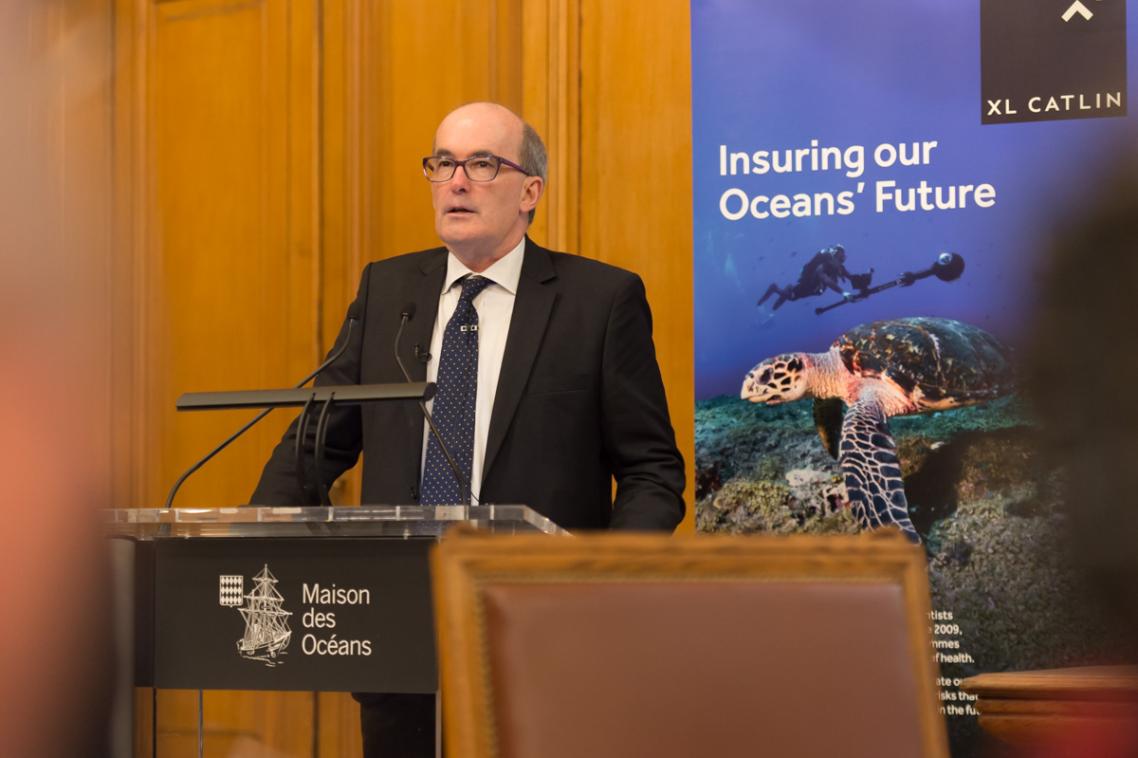
University of Queensland Global Change Institute Director Professor Ove Hoegh-Guldberg was honoured with the Banksia Foundation’s International Award at a Sydney ceremony last night.
The annual award recognises a person who has made a significant contribution to improving the environment or promoting sustainability internationally.
Banksia Foundation CEO Ms Graz van Egmond described Professor Hoegh-Guldberg’s achievements as truly inspiring.
“Time and again he has researched multiple scenarios that cover important aspects of our future sustainability, particularly in the areas of climate change, food security, clean energy and population growth,” Ms van Egmond said.
“In the area of coral reef conservation and science, Ove’s leadership has led to major developments in data analysis, collation and storage, as well as improved public access and communication, which is a key step in understanding ecological change and engaging the public.”
“Professor Hoegh-Guldberg is internationally recognised for his immense contribution to understanding the impact of climate change on oceans, particularly the Great Barrier Reef.”
Professor Hoegh-Guldberg said he was privileged to have received the 2016 award.
“I am honoured to be the recipient of this wonderful award, not just for me but for all the members of my team at the Global Change Institute and the many other partners over the years,” he said.
“The passion, the brilliance and enthusiasm for wanting to change the world for the better has made working with these people an absolute delight.”
After discovering the molecular mechanism that caused coral bleaching in the late 1980s, Professor Hoegh-Guldberg started to campaign for climate change action.
He has won many awards, including the Eureka Prize in 1999, the Prince Albert II of Monaco’s Climate Award in 2014, and an Australian Research Council Laureate Fellowship in 2012.
Professor Hoegh-Guldberg is also Chief Scientist of the XL Catlin Seaview Survey, which focusses on revolutionising how coral reef health is measured.
Media: Ron Hohenhaus, r.hohen@uq.edu.au, +61 438 285 283.
Related articles

What makes a winning environmental campaign? We studied six decades of activism to find out
