
Citizen scientists help identify shorebird extinction threat
An international team of citizen scientists and researchers has identified a major contributor to the dramatic decline of migratory shorebird populations in Australia.
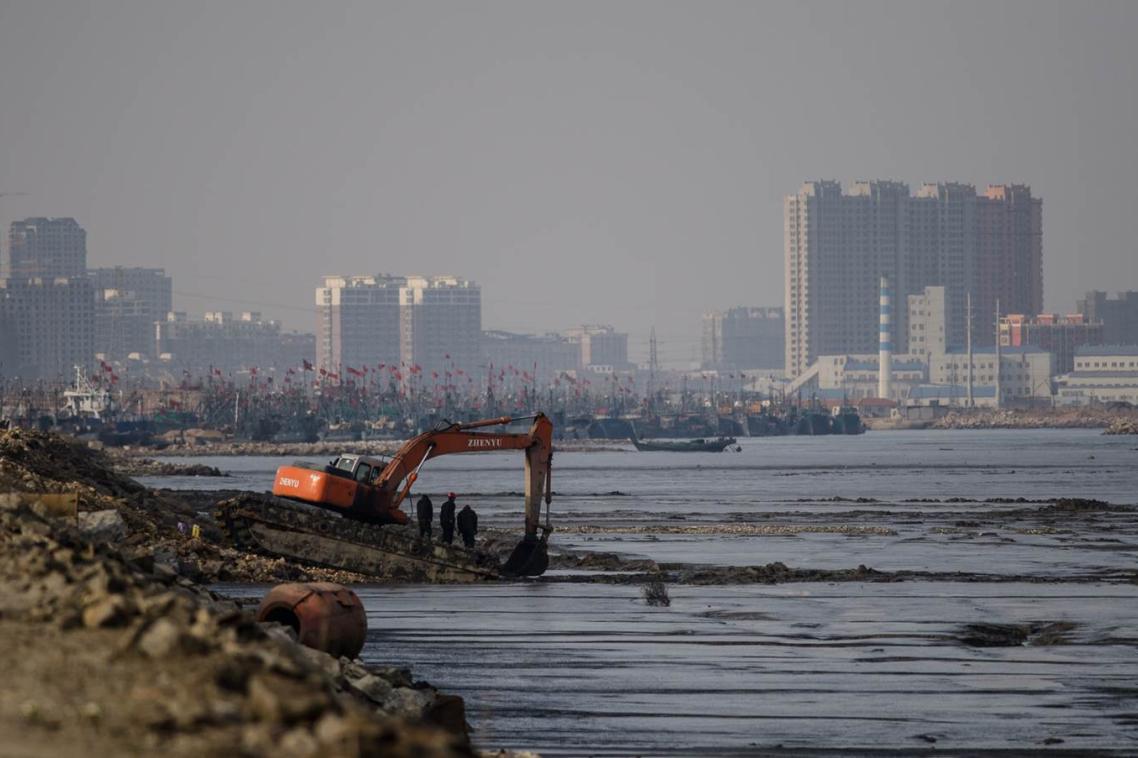
University of Queensland School of Biological Sciences researcher Associate Professor Richard Fuller said Australian shorebirds were under threat due to the degradation and destruction of mudflats thousands of kilometres away in north-east Asia.
Associate Professor Fuller was part of a team of researchers who worked on a shorebird study led by the University of Maryland, Baltimore County's Assistant Professor Dr Colin Studds.
Dr Studds said a critical factor in the decline of migratory shorebirds was their dependence on mudflats in the Yellow Sea, between China and South Korea.
“The more a species relies on the disappearing Yellow Sea mudflats, the faster they are declining,” Dr Studds said.
Many birds follow the East Asian Australasian Flyway migratory path from their non-breeding grounds in Australia to breeding sites in the Arctic, resting and refueling in the Yellow Sea.
“Scientists have long believed that loss of these rest stops could be related to the declines, but there was no smoking gun,” Dr Studds said.
The researchers analysed citizen science data collected between 1993 and 2012 on 10 key species, and what they found was dramatic.
Even though the birds only spend one or two months of the year at the mudflats, it was the most important factor in determining the population trend.
Associate Professor Fuller said the study was founded on decades of bird counting effort by volunteers across Australia and New Zealand.
“Without this effort, the study would have been impossible,” he said.
Australia has signed agreements with China, Korea and Japan to protect migratory birds, yet the birds have continued to decline.
“Every country along the migration route of these birds must protect habitat and reduce hunting to prevent the birds declining further or even going extinct,” Associate Professor Fuller said.
“We are particularly excited that China and Korea have recently begun the process of listing parts of the Yellow Sea as World Heritage Sites.”
The study, published in Nature Communications, involved researchers from across Australia and from the US, the UK and New Zealand.
Media: Associate Professor Richard Fuller, r.fuller@uq.edu.au, +61 458 353 102; Dr Colin Studds, Baltimore, studdsc@umbc.edu, +1 410 455 3054.
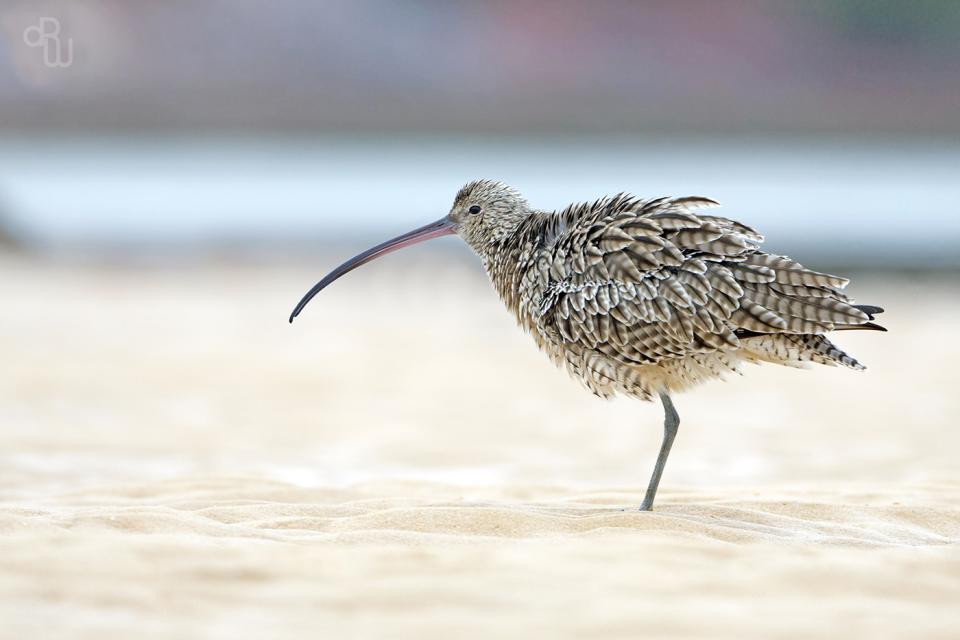
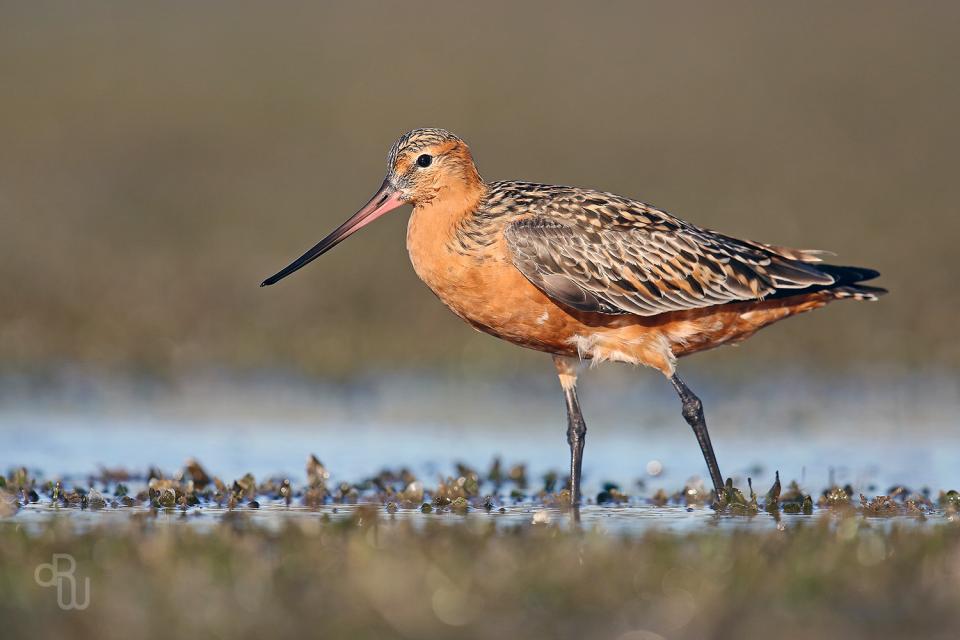
Images; above - the eastern curlew by Dan Weller: right - bar-tailed godwit
Related articles

Turning up the heat on chickpea yield
