
UQ to provide major boost to regional health
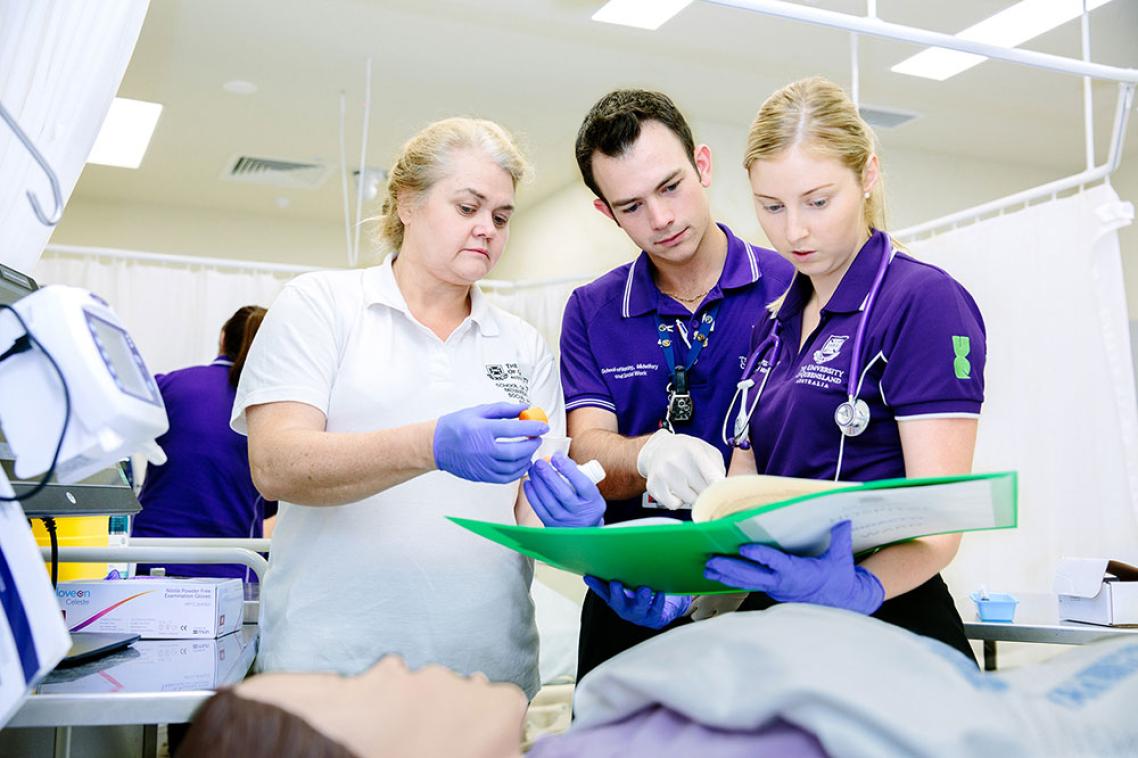
Regional communities and future health professionals studying through The University of Queensland are big winners from a multi-pronged $54.4 million Federal Government initiative.
In Queensland, UQ will lead the establishment of a University Department of Rural Health (UDRH), providing a major boost to education, training and research in rural south Queensland for nurses, midwives and allied health workers.
Three new medical training hubs under UQ control will also be established in Central Queensland, Wide Bay and South West Queensland, operating with an aim of retaining doctors in regional areas.
Faculty of Health and Behavioural Sciences Executive Dean Professor Bruce Abernethy said research indicated students who experienced rural practice were far more likely to return to work rurally once qualified.
“For the local communities, this is part of a long-term strategy to address maldistribution of the health workforce,” Professor Abernethy said.
“Rural and remote regions of Queensland and Australia often face challenges in attracting and retaining qualified health professionals.
“Students on rural placement will discover the diverse range of professional opportunities available in regional areas, thus enhancing the sustainability and viability of rural health care services.”
UQ joined with the University of Southern Queensland and the Hospital and Health Services of Darling Downs and South West in the successful bid to establish the Southern Queensland Rural Health UDRH.
The UDRH will help provide rural experience to student nurses, midwives, physiotherapists, pharmacists, psychologists, social workers, occupational therapists, speech pathologists, dieticians, and exercise physiologists.
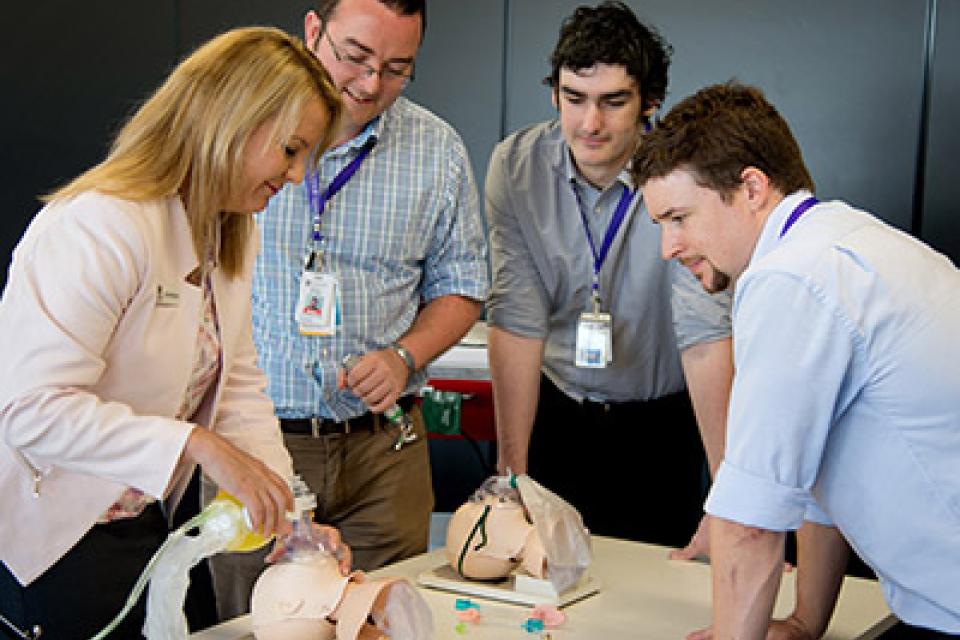
Commonwealth funding has also been awarded to provide additional clinical, academic and administration staff at UQ’s three regional medical training hubs:
- Central Queensland: located at Rockhampton, with sub-units at Gladstone and Emerald
- Southern Queensland: located at Toowoomba, with sub-units at Charleville in south-west Queensland
- Wide Bay: located at Bundaberg, with sub units at Hervey Bay and Theodore.
UQ Faculty of Medicine Acting Executive Dean Professor Robyn Ward said the hubs would offer doctors rural opportunities at all stages of their medical training.
“This will facilitate postgraduate training opportunities, including specialties, so doctors can stay in regional communities for training and not have to return to the city,” Professor Ward said.
“The Department of Rural Health and the training hubs will build on the high quality education and training experiences already offered by UQ’s Rural Clinical School.”
Announcing the funding, Assistant Minister for Health Dr David Gillespie said regional and rural health training not only addressed workforce shortages and service expectations, but was also essential to regional economic growth.
Media: UQ Communications, Dani Nash, dani.nash@uq.edu.au, +61 7 3346 3035. Kim Lyell, k.lyell@uq.edu.au, +61 (0) 427 530 647.
Related articles

Strawberry skin’s strength measured with student device
