
Deadly environment harming kids
A University of Queensland and World Health Organisation (WHO) research collaboration has found that many of the most common causes of childhood death are preventable.
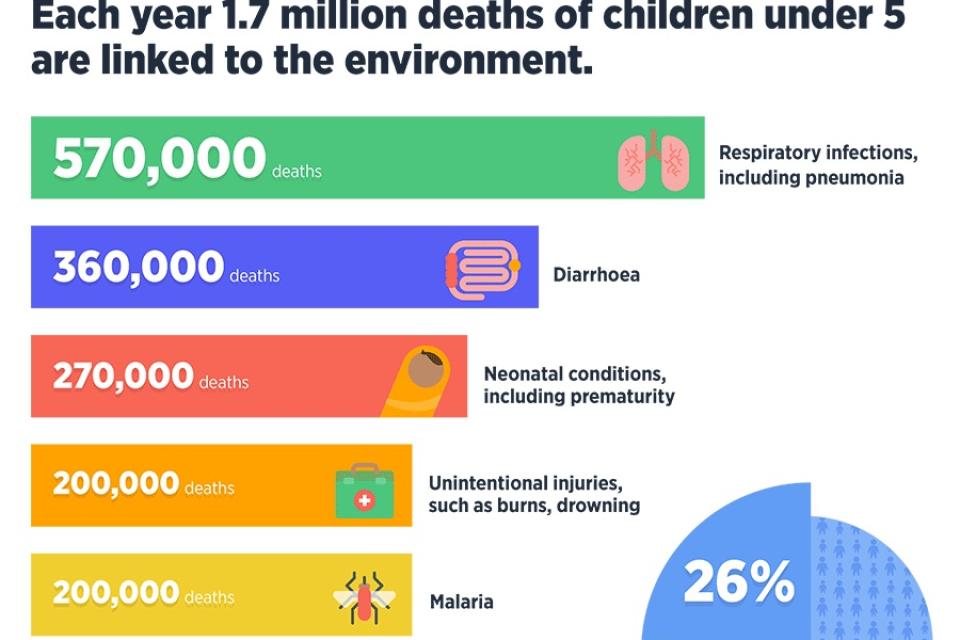
UQ Children's Health and Environment Program Director and WHO Collaborating Centre for Children’s Health and Environment Director Professor Peter Sly said an unhealthy environment lead to the death of 1.7 million children under five in 2012.
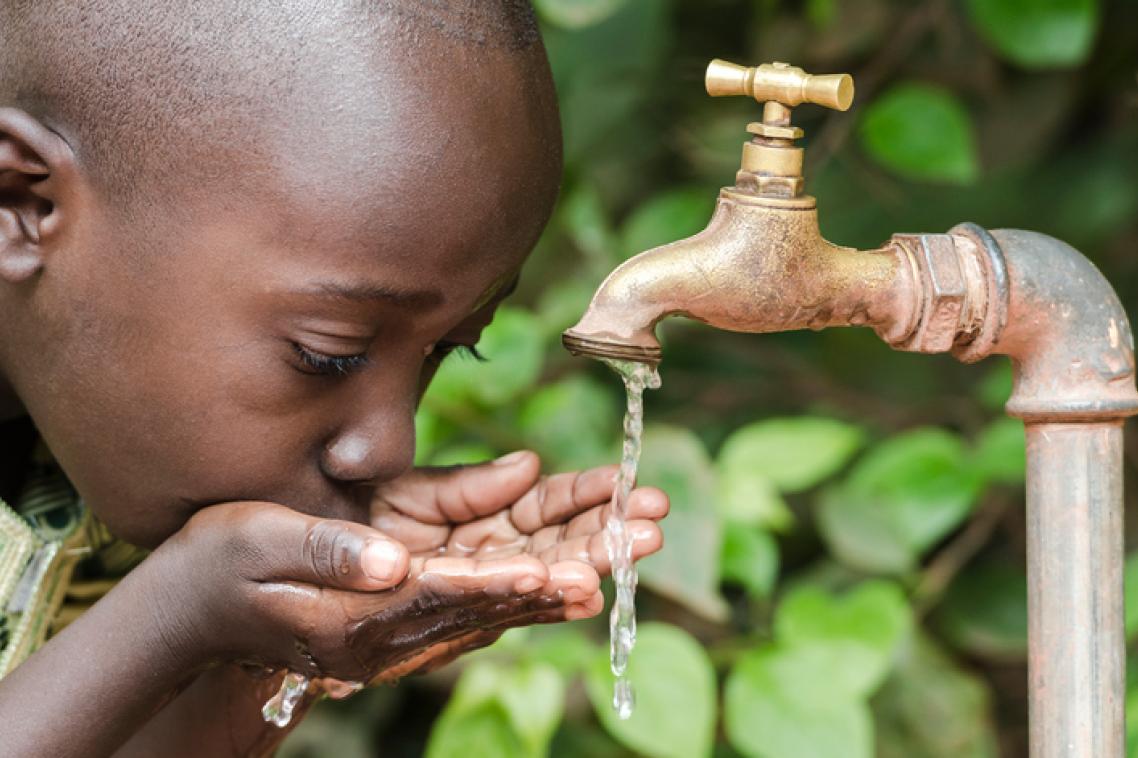
“Access to safe water and clean cooking fuels are interventions that can reduce child deaths from conditions like diarrhoea, malaria and pneumonia,” Professor Sly said.
“More than half a million child deaths each year from respiratory infections such as pneumonia are associated with environmental exposures including indoor air pollution, ambient air pollution, and second-hand tobacco smoke.
“Exposure can start in the womb then continues if a child is exposed to air pollution and second hand smoke in childhood.”
Professor Sly and his team assisted in coordinating two WHO reports.
Inheriting a Sustainable World: Atlas on Children’s Health and the Environment is an overview of the current state of children’s environmental health globally, and examines more than 10 years of data on topics including obesity, poverty, pollution, e-waste and urbanisation.
Don’t pollute my future! The impact of the environment on children’s health is a summary of WHO data on the contribution of environmental factors to children’s health outcomes.
Professor Sly said the reports also featured morbidity and the impact of early life exposures on the development of disease in later life.
“Children are one of the most vulnerable populations,” he said. “They are sensitive to environmental exposures both before they are born and during early childhood.”
“They are developing rapidly and their bodies don’t process exposures in the same way as adults so they are at a higher risk of harm.”
Children's Health and Environment Program Coordinator Fiona Goldizen said children's health could not be approached through one sector.
“Rather than looking at the transport sector, the education sector or chemical regulations in isolation, we need to have multi-sector action and a holistic approach to children’s health,” she said.
Contact: Bernadette O’Connor, bernadette.oconnor@uq.edu.au, +61 7 3365 5118, 0431 533 209.
Related articles

A new way to navigate tough land and water use decisions
