
A step towards understanding Zika
Brisbane researchers have synthetically re-created Zika virus in the laboratory – a breakthrough that will help to understand the virus and the fetal brain defects it causes.
The collaborative research was led by UQ School of Chemistry and Molecular Bioscience’s Professor Alexander Khromykh and Professor Andreas Suhrbier from QIMR Berghofer Medical Research Institute.
“This was the first time Zika virus was made directly from a viral sequence detected in infected tissue, without the need to import the infectious virus,” Professor Khromykh said.
“The project showed the synthesised virus was able to induce a medical condition – microcephaly – in pregnant mice, and was able to be transmitted by mosquitoes.
“The virus sequence we used had been identified in human tissue and is unequivocally associated with congenital defects and their devastating impact.”
Zika, a mosquito-borne virus reported in 70 countries and territories, is responsible for millions of cases of fever, rash, joint pain and conjunctivitis.
The major complications of the Zika virus outbreak in the Americas and Asia are caused by the virus’s ability to cross the placenta and infect the brain of the fetus.
This results in ‘congenital Zika syndrome’, with children born with neurological problems including microcephaly, causing abnormal brain development and smaller heads.
Professor Khromykh, Professor Suhrbier and QIMR Berghofer’s Associate Professor Greg Devine have a record of developing diagnostic tests, antiviral drugs and vaccines against other mosquito-borne diseases, including dengue, West Nile and chikungunya viruses.
Professor Suhrbier said the research team’s unique approach allowed rapid generation of new fully-functional Zika virus isolates.
“Why Zika has recently emerged to cause fetal brain infections in humans remains unclear. Having access to such authentic viruses should greatly facilitate research into this mystery,” he said.
“UQ and QIMR Berghofer are contributing to international efforts to deal with this epidemic, which is causing so much misery.
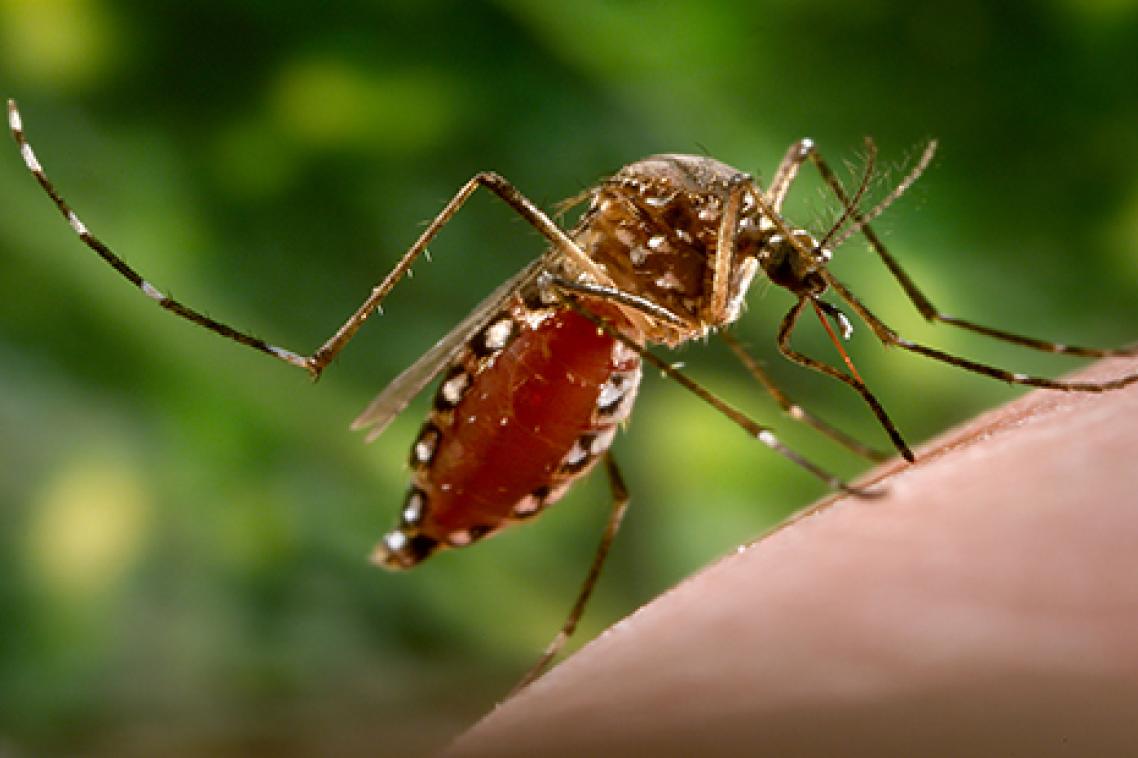
“Zika is of great interest to Queenslanders, not only because a number of people returning from overseas have contracted the virus, but also because a mosquito species prevalent in North Queensland, Aedes aegypti, is one that is largely responsible for the Zika outbreak.”
The research, supported by an Australian Infectious Diseases Research Centre grant, is published in the American Society for Microbiology’s journal, mSphere.
DOI: https://doi.org/10.1128/mSphereDirect.00190-1
Media: Professor Alexander Khromykh, +61 7 334 67219, +61 0434 367 342, a.khromykh@uq.edu.au; QIMR Berghofer media, media@qimrberghofer.edu.au, +61 7 3845 3919.
Related articles

UQ’s QARC wins at Engagement Australia Awards
