
Citizen scientists needed for hailstorm research
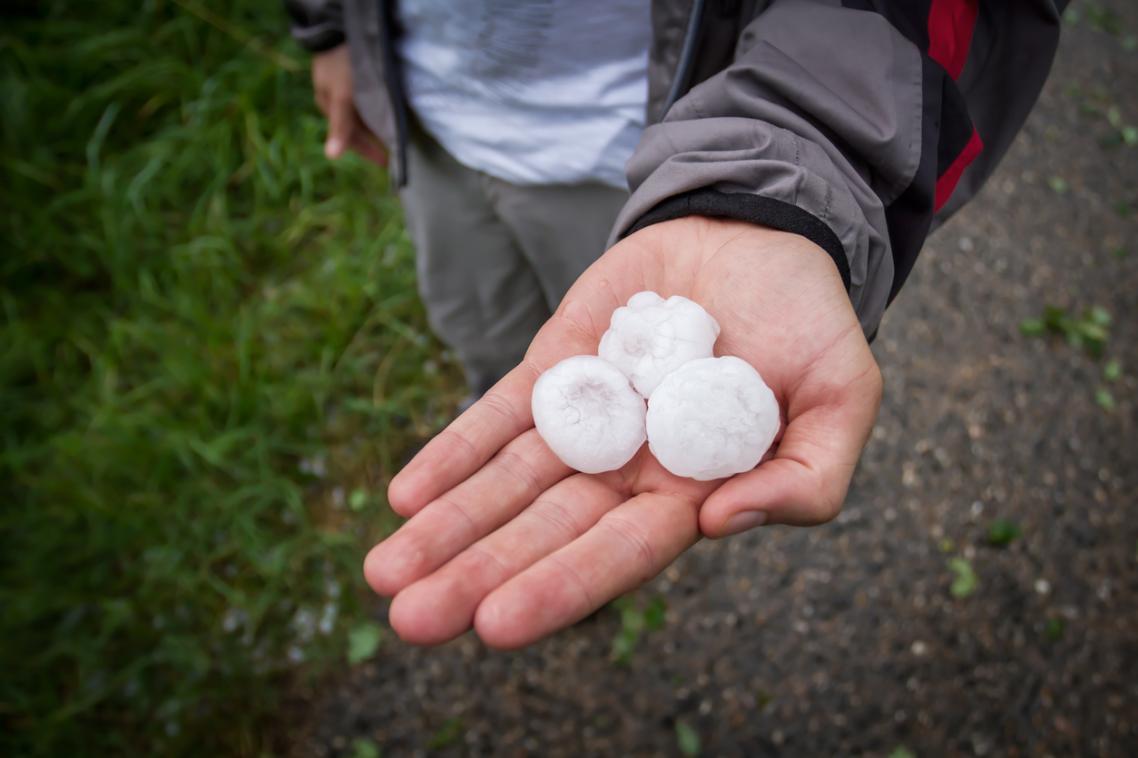
Grab your smartphone and ruler - researchers from The University of Queensland want you to help collect vital hailstorm data.
UQ’s School of Earth and Environmental Sciences researcher Dr Joshua Soderholm said hail reports and photos supplied by ‘citizen scientists’ in the upcoming storm season would support research into creating the next generation of hailstorm warning systems.
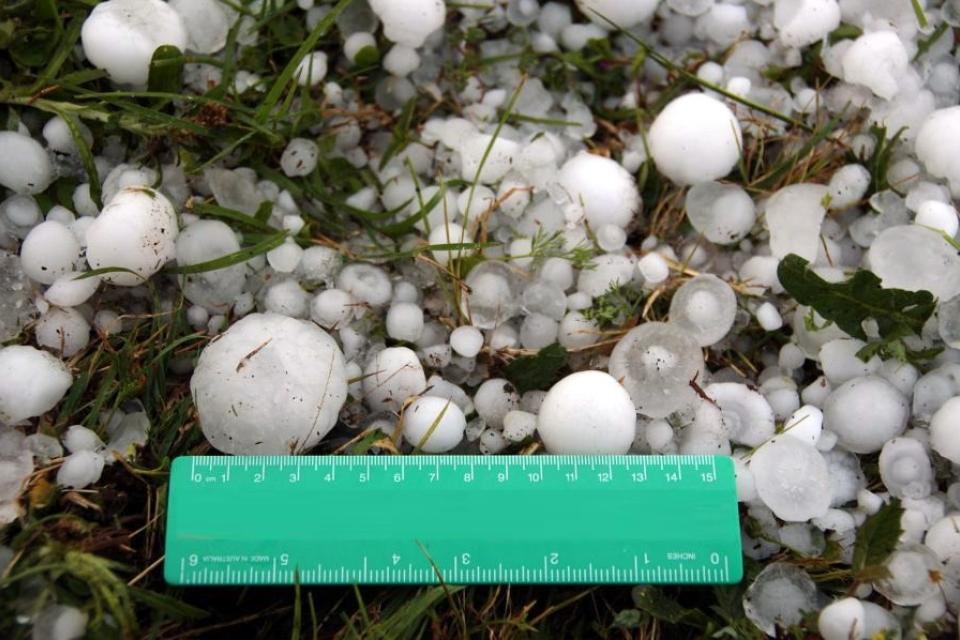
“After a hailstorm has safely passed, we’re asking people to log information on uqhail.com, or post photos with a comparison object such as a ruler on our Facebook page or on Twitter with the hashtag #uqhail,” he said.
“Safety is the number one priority so we need to stress that people must not walk outside in the middle of a dangerous hailstorm to take photos – they need to wait until the storm has well and truly passed.
“The information they gather will be valuable for supplementing scientific data obtained from a UQ storm-chasing field campaign in South-East Queensland over the next few months.”
Dr Soderholm is working with Professor Hamish McGowan and UQ civil engineering lecturer and structural risk assessment expert Dr Matthew Mason on the research project.
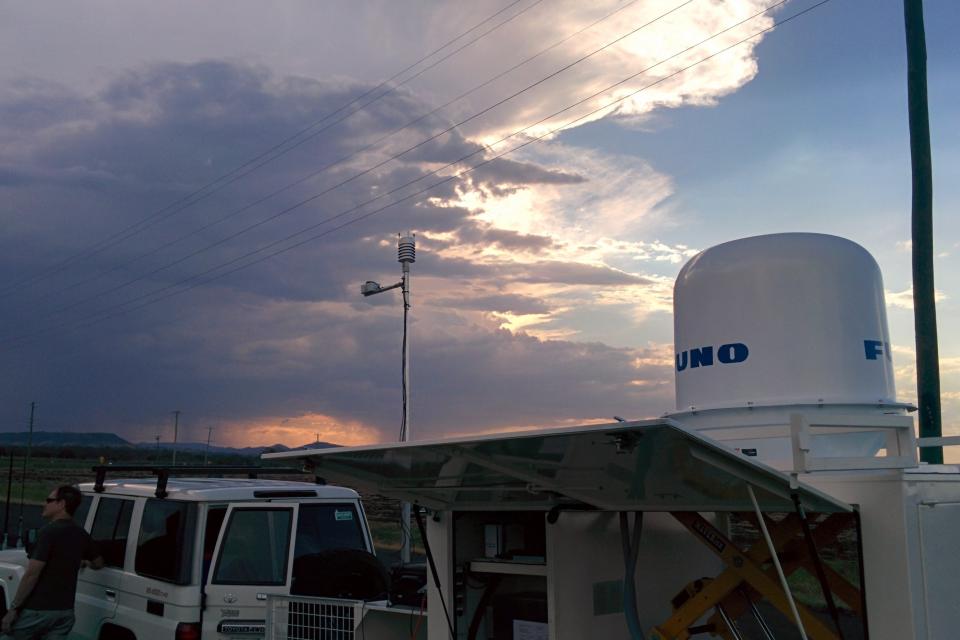
The main hailstorm season starts in October and peaks in late November, and during this time the researchers will use mobile weather radar vehicles to collect high resolution imagery of hailstorms and measure surface impact using hail and wind sensors.
“The Bureau of Meteorology has upgraded technology on four capital city weather radars, which opens up significant potential for improving severe weather detection and warnings,” Dr Soderholm said.
“Alongside the radar upgrades we are coordinating a science program to build better hail and wind algorithms for these radars and improve algorithms running across older radars in the network.
“As we collect more and more data, we’ll be able to fine-tune and cross-check different algorithms to select those best performing in Australian conditions.
“Our coastal storms in Australia are quite different with the extra humidity off the oceans, so we are interested in improving hail information to reduce the number of false alarms.”
Dr Soderholm said South-East Queensland hailstorms tended to affect areas to the west of Brisbane – for example Ipswich and Greenbank – with eastern and northern suburbs less affected.
In 2014, the worst hailstorm in 30 years left a trail of destruction across Brisbane and a damage bill of more than $1.3 billion.
The research is supported by Guy Carpenter, Fugro ROAMES, the Australian Bureau of Meteorology and the Federal Government’s National Environmental Research Program.
For more information, visit uqhail.com or https://www.facebook.com/uqhail
Media: Dr Joshua Soderholm, j.soderholm@uq.edu.au, 0403 800 655.
Related articles

Why do politicians often want to change the school curriculum? What happens when you do?
