
Growing tomorrow’s horticulture
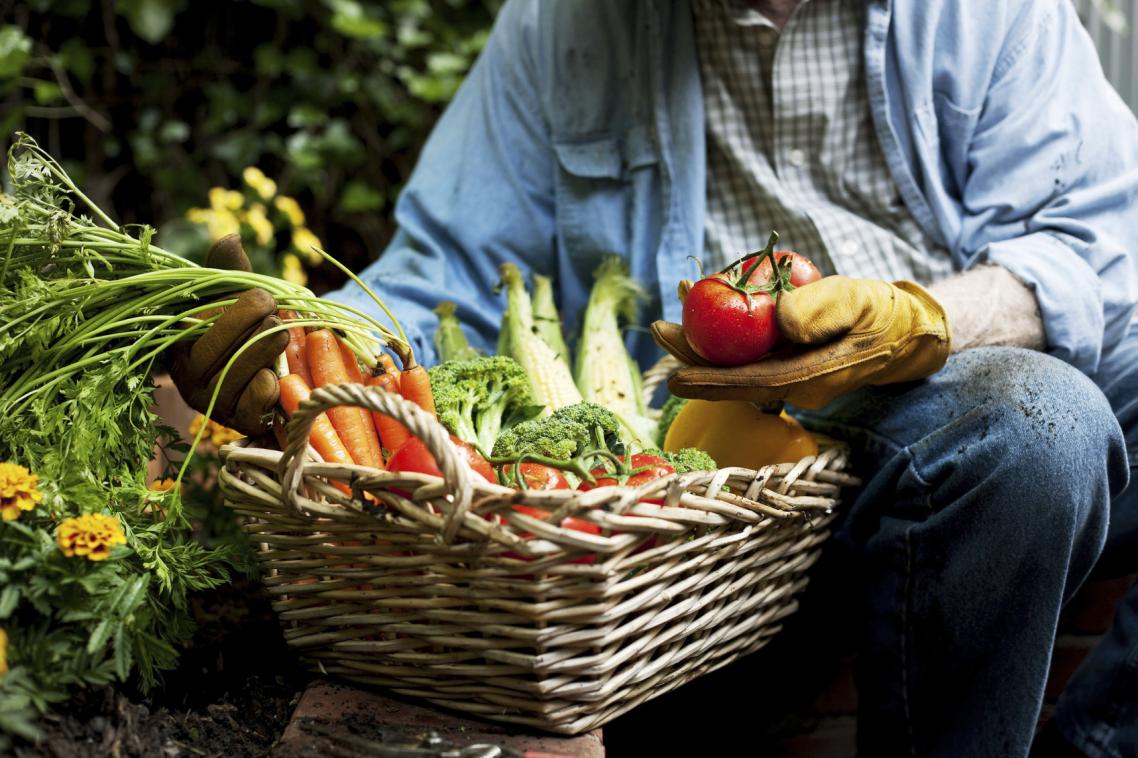
A new Centre for Horticultural Science will be launched at The University of Queensland in 2018 to respond to the demand for plant-based foods, vegetables, fruit and nuts that improve human health.
UQ Vice-Chancellor and President Professor Peter Høj said the centre would build on the ability of UQ’s world-class horticultural researchers to position Australia to compete in the rapidly evolving global fresh fruit and vegetable trade.
He said horticulture was one of the largest and most diverse industries in Australian agriculture, accounting for about 18 per cent of its total value.
“Vegetables, fruit and nuts are key to our nutritional and physical wellbeing and we know there is great potential for science to boost the yields and nutritional content of horticultural foods even further,” Professor Høj said.
“We’ve seen from the rising global demand for avocados that there is increasing consumer awareness of the importance of horticulture to health and that science can sustainably increase supply to meet that demand.
“In partnership with growers and industry collaborators, this new Centre for Horticultural Science will help grow the future of horticulture in Australia as a key domestic and premium export market.”
The new centre will be led by agricultural biotechnologist Professor Neena Mitter.
Professor Mitter said there were many opportunities to grow horticulture through on-farm management systems and the high-tech approaches of big data, genomics and biotechnology.
“The majority of horticultural products grown in Australia are sold domestically, but Queensland is in a good position to access the Asian markets,” she said.
“The centre will leverage the expertise of horticultural scientists in the Queensland Alliance for Agriculture and Food Innovation (QAAFI) who work collaboratively with our partners in the Queensland government and with industry in the areas of horticultural crop protection and crop improvement.”
Professor Mitter aims to double the $37 million worth of contracted research work currently undertaken by QAAFI’s horticultural scientists over five years.
She has an impressive record in her field, having pioneered world-first techniques in developing a stem cell multiplication method to supply up to 500 times more avocado plants to industry than was previously possible, with minimal additional resources.
She pioneered the non-genetically modified non-toxic BioClay crop pest and disease protection product, reducing the need for pesticides.
Professor Mitter has collaborated with government, industry and philanthropic organisations such as the Bill & Melinda Gates Foundation, which supported the early development of her BioClay product through a Gates Foundation Grand Challenges Explorations Award.
Media: Professor Neena Mitter, n.mitter@uq.edu.au, +61 434 628 094; Margaret Puls, QAAFI Communications, m.puls@uq.edu.au, +61 7 3346 0553.
Related articles

Breeding for better rotations opens a new frontier in farming systems
