
Cracking the genetic code for complex traits in cattle
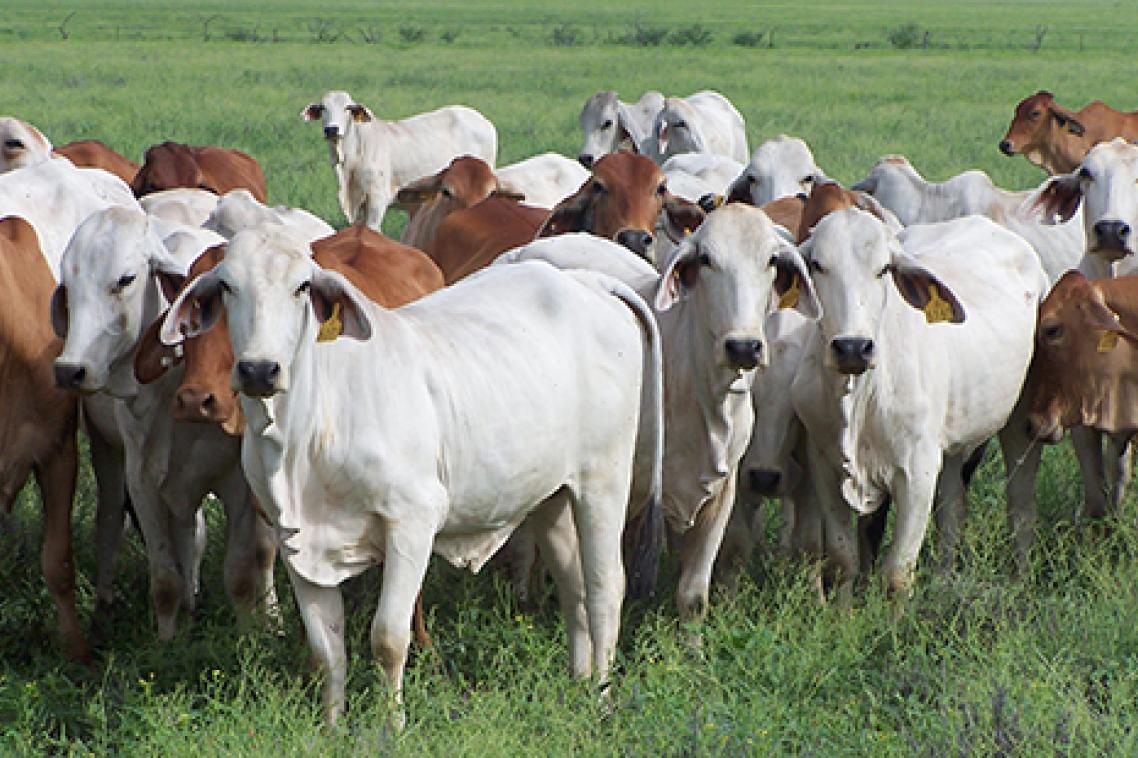
A massive global study involving 58,000 cattle has pinpointed the genes that influence the complex genetic trait of height in cattle, opening the door for researchers to use the same approach to map high-value traits including those important for beef and milk production.
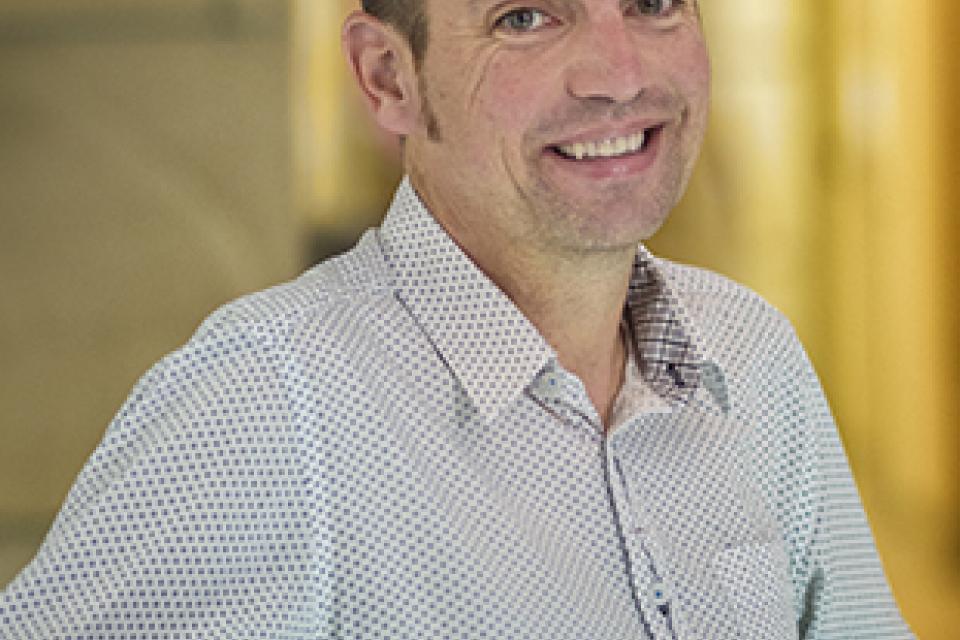
The University of Queensland’s Professor Ben Hayes, who heads the global 1000 Bull Genomes Consortium of 57 researchers from 30 institutes, said it had previously been a major challenge to identify variants in the genome affecting complex traits, due to variations within multiple genes, and behavioural and environmental factors.
“To overcome this issue, the consortium pooled large genomic datasets and phenotypes collected from 58,000 cattle around the world to gain the clearest picture so far of their genetics,” Professor Hayes said.
“By applying the same collaborative big data approach, it may now be possible to identify genes associated with high-value complex traits that are really important to the industry, such as beef and milk production, feed efficiency and reduced methane emissions.”
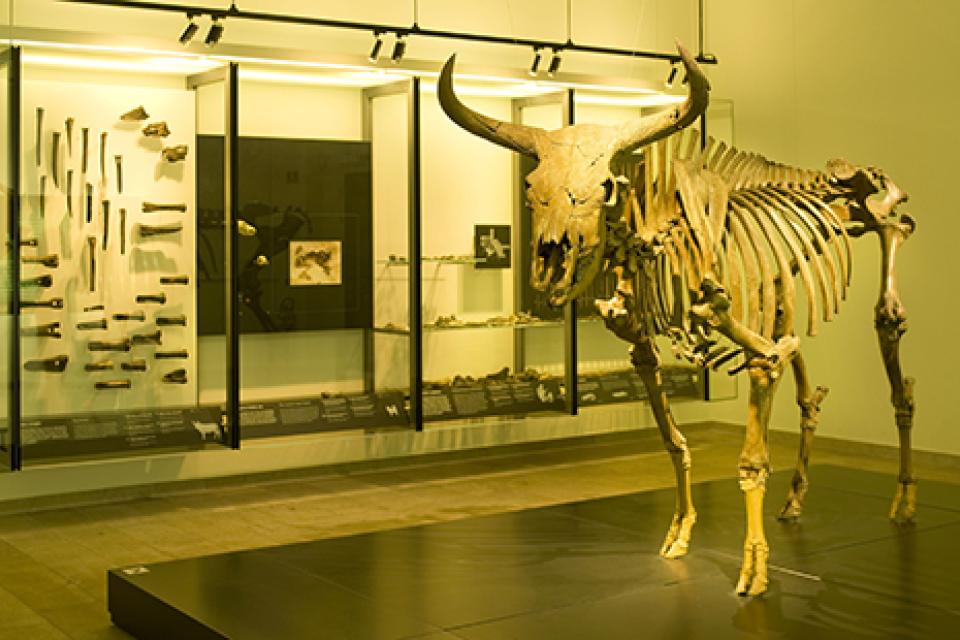
The 1000 Bull Genomes Consortium’s findings on height were confirmed by analysing the genetic material of miniature cattle and the DNA sequenced from a 6500-year-old wild auroch bone.
“Aurochs are an extinct species of large wild ox – which were domesticated by ancient humans about 10,000 years ago and bred to be shorter – and are the ancestor to all cattle breeds,” Professor Hayes said.
“From analysing the DNA of this animal, we could predict its height, and then verify our prediction with the fossil records of auroch skeletons.”
When the team applied its findings to the genetic datasets collected for humans and dogs, they were surprised to find that there was a high degree of overlap.
“The same genes influencing height in cattle also influence the trait in other mammalian species,” Professor Hayes said.
“This is something that has never been demonstrated before.
“It opens up the possibility for researchers working in cattle and human genomics to share data on traits such as temperament and body fatness.”
The research is published in Nature Genetics.
Captions: image above - Professor Ben Hayes; image right - auroch skeleton.
Video overlay of cattle courtesy of Dave Smith.
Media: QAAFI Communications, Margaret Puls, m.puls@uq.edu.au, +61 7 3346 0553; Professor Ben Hayes, b.hayes@uq.edu.au, +61 7 3346 2173.
Related articles

UQ tech turns captured CO₂ into valuable chemicals
