
Two in one: human placenta stem cells hold a dual benefit
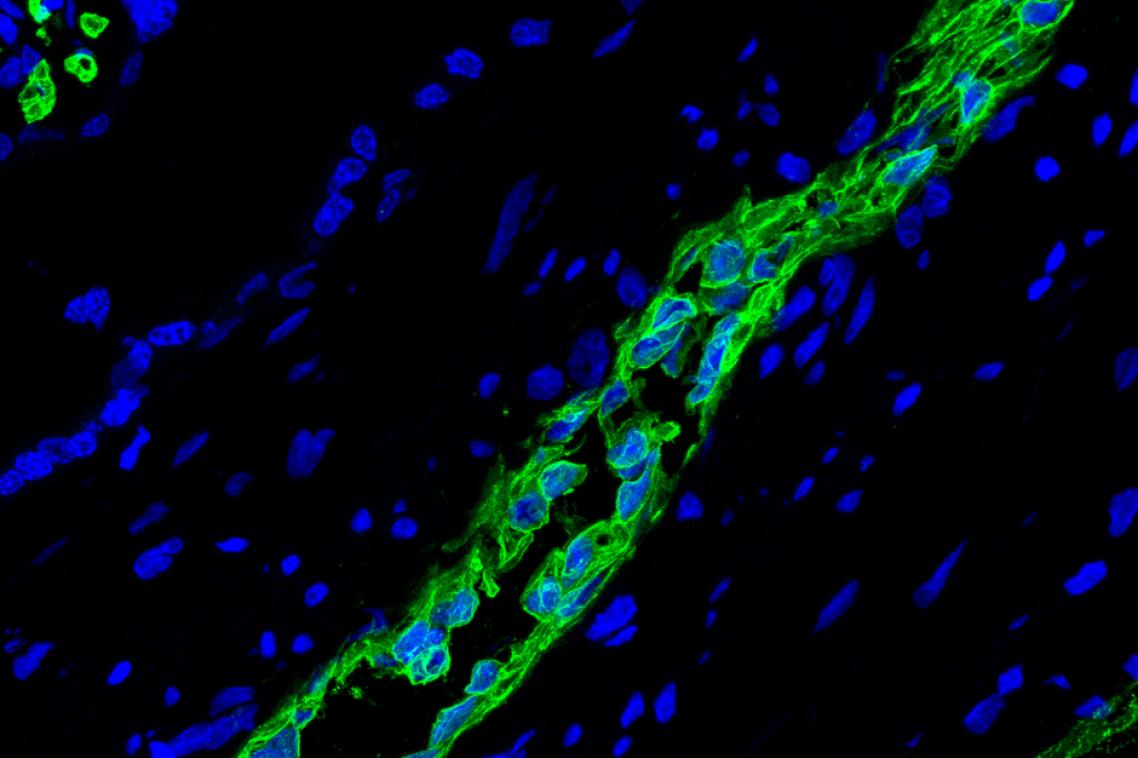
Scientists have discovered a new type of stem cell which has the potential to perform two functions at the same time, meaning better treatment or even cures for many diseases.
University of Queensland researchers have found that Meso-Endothelial stem cells in the placenta can generate two cell types and therefore one cell has the ability to perform two functions.
UQ Centre for Clinical Research’s Dr Abbas Shafiee said the ability to provide two functions in one cell meant the cells could be used to regenerate or repair cell and tissue damage across a number of areas in the body.
“In the past, each of these stem cell would have been harvested and spun together and then given to the patient,” Dr Shafiee said.
“Now it is just a dual cell, which means the cell has two specific functions at the same time.”
The new stem cells are related to endothelial cells, which are used to create new blood vessels, and mesenchymal stem cells, which form bone, fat, cartilage and muscle.
UQ Diamantina Institute researcher Associate Professor Kiarash Khosrotehrani said the dual cells meant arteries and veins could be created in engineered tissue to provide more effective treatments for a range of musculoskeletal and degenerative disorders such as pulmonary fibrosis and heart disease.
The researchers were able to precisely locate stem cells in placental tissue and determine exactly how the stem cells worked to produce the lining of blood vessels and surrounding cells.
Dr Shafiee said this regenerative process was the key to taking the next step in stem cell treatment, but more research was needed to better understand the biology of placental stem cells.
The research, published in Stem Cell Reports, has been supported by National Health and Medical Research Council funding.
Media: Associate Professor Kiarash Khosrotehrani, k.khosrotehrani@uq.edu.au; Dr Abbas Shafiee, a.shafiee@uq.edu.au, +61 406 841 866.
Topics
Related articles

1 in 4 Australians physically abused by parents: study
