
Community power opens renewable energy market to all
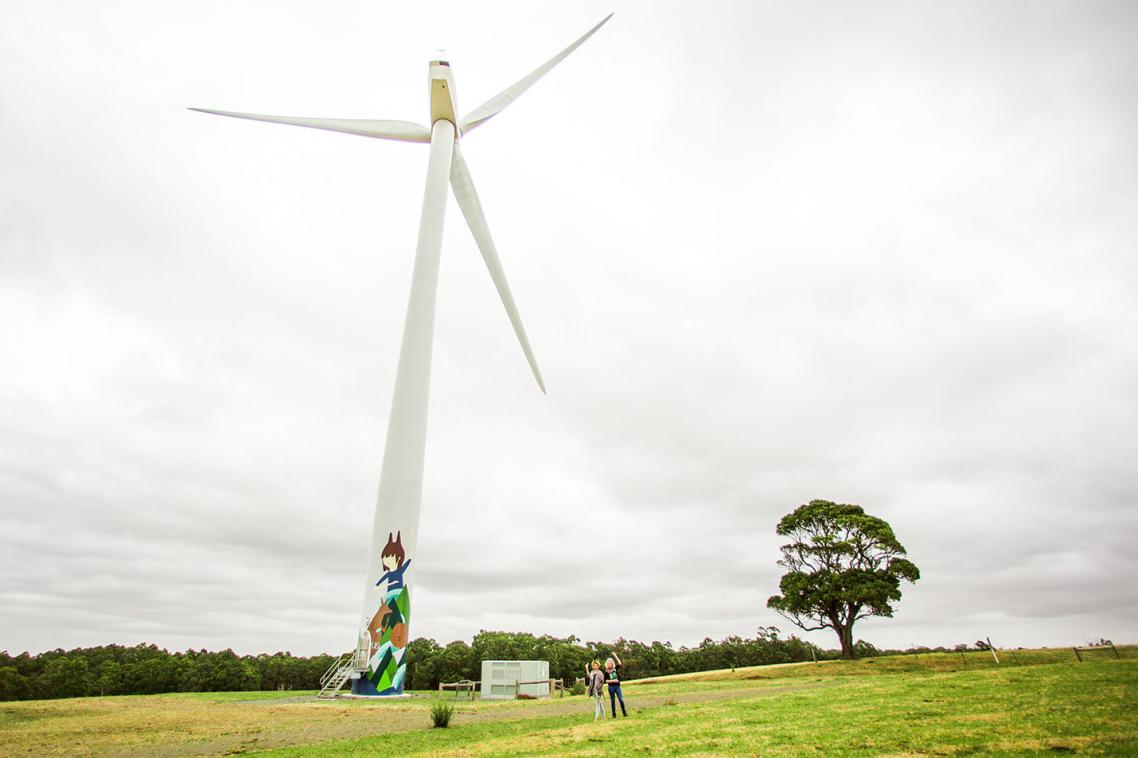
People locked out of the renewable energy market by cost, knowledge barriers or restrictive housing arrangements, such as renters, could benefit from emerging community energy schemes.
A study by University of Queensland researchers has revealed that community renewable energy – community energy – is a new, but growing movement in Australia, in which community organisations could help economically disadvantaged households gain more equitable access to renewable energy.
UQ School of Earth and Environmental Sciences researcher Annie McCabe said that as renewable energy technologies became cheaper, more efficient and theoretically more attainable, households and communities were becoming both producers and consumers of their own energy supply.
“This has created opportunities for people to join initiatives focused on energy rights, autonomy, and social justice – bringing together communities and people unable to join the energy market,” she said.
“These community energy groups create environmental and socioeconomic benefits through return on investment and provide a source of economic development, diversification, social capital and autonomy in the local community.”
Ms McCabe said previous research rarely combined the concepts of community energy and social housing.
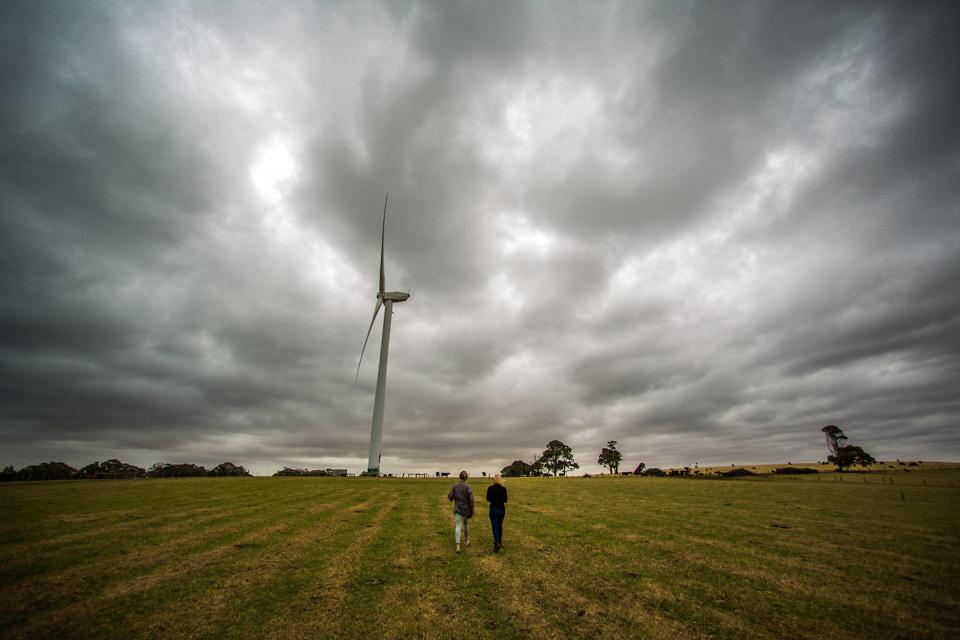
“It is not easily accessible under current capital raising schemes, but could be assisted through community-based energy schemes such as the Brisbane-based organisation Energetic Communities.”
Ms McCabe is examining five Australian case studies, including wind and solar projects in Western Australia, Victoria and NSW.
The study, co-authored by UQ’s Dr Pojani and University of Tasmania’s Mr Anthony Broese van Groenou, is published in Energy Research & Social Science (doi: 10.1016/j.erss.2018.02.005).
Images: Anthony Broese van Groenou
Media: Annie McCabe, a.mccabe@uq.edu.au, +61 7 3365 9073.
Related articles

Soft plastic recycling in Australia is struggling. How do we fix it?
