
Unlocking the genetic combinations that control complex disease
More targeted and effective treatments for some of the world’s most complex diseases in humans may be a step closer, thanks to research that better maps disease susceptibility to genes and DNA.
Sophisticated statistical methodology developed by University of Queensland researchers is using the largest set of multi-level genomic data ever compiled to help scientists pinpoint genes within our DNA that are linked to specific diseases.
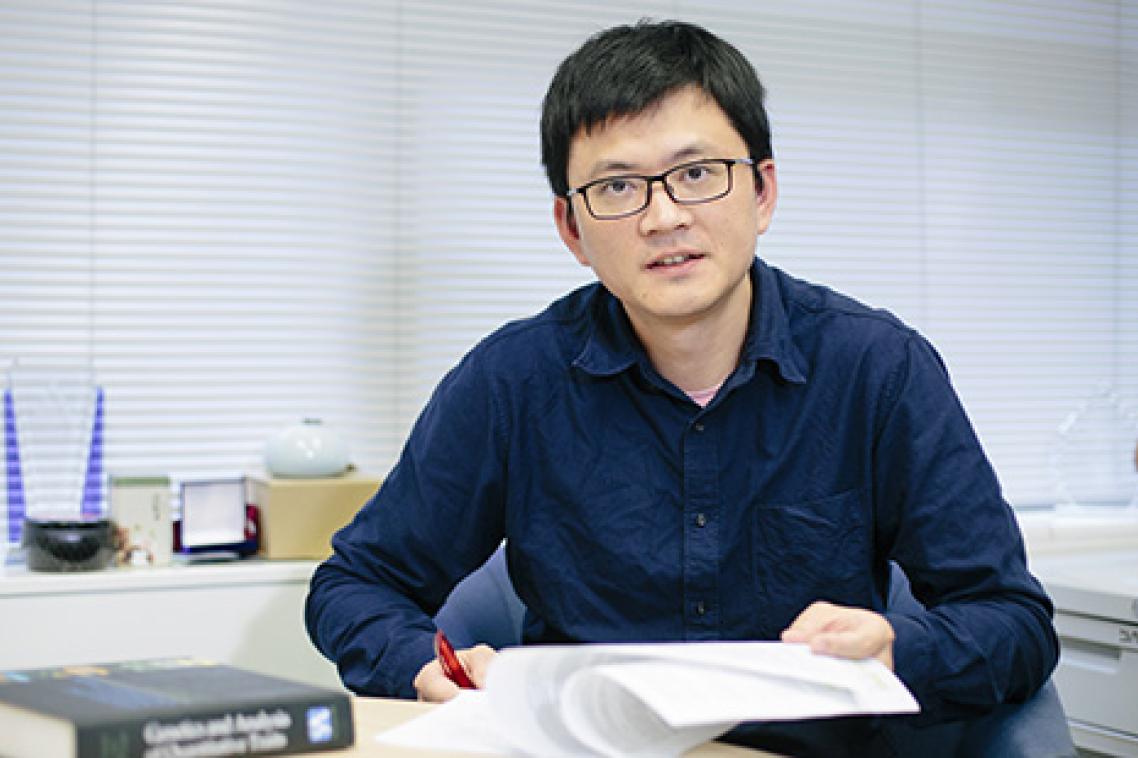
UQ’s Institute for Molecular Bioscience and Queensland Brain Institute researcher Professor Jian Yang said the study was a significant leap forward in research around some of the world’s biggest health issues.
“Identifying these genes and their functional regulators is critical to understanding how to prevent, diagnose and treat complex diseases such as Crohn’s disease, rheumatoid arthritis and coronary heart disease,” he said.
The number of disease-associated DNA markers identified by genome-wide association studies (GWAS) is growing fast, but mapping disease genes has been difficult due to the complicated structure of the genome.
“While we already knew a number of genomic regions that are associated with certain diseases, until now we’ve lacked the ability to narrow down exactly where the causative changes occur and which genes are affected by the changes,” Professor Yang said.
“By unlocking this information, we’re able to prioritise the genes mostly likely to be responsible for 12 complex diseases.
“For example, we found that a change that occurs in the regulatory DNA of one particular gene (ATG16L1) alters its DNA methylation status which explains its association with Crohn’s disease.”
Professor Yang and the research team used an innovative method to unlock the complexities behind genome-wide DNA markers, gene activity and DNA methylation – chemical modifications of DNA that regulate how genes behave.
Professor Yang, who won a 2017 Prime Minister’s Prize for Science, said the findings allowed for focused follow-up studies with the potential to accelerate the development of targeted clinical trials and drug treatments.
“Gathering greater insights around how genes link to disease will help drive innovation in medical and pharmaceutical research, as well as shaping public health policy,” he said.
“Increasingly, the future of medicine will be data-driven and personalised – using technology to create more value from the data we have is critical to developing more effective approaches to our biggest health issues.”
The research is published in Nature Communications, was supported by organisations including Australian Research Council, the Australian National Health and Medical Research Council, and the Sylvia & Charles Viertel Charitable Foundation.
Media: Professor Jian Yang, jian.yang@imb.uq.edu.au; IMB Communications, communications@imb.uq.edu.au, +61 421 819 807.
Related articles

Childhood measles vaccination rates fall worldwide post COVID-19
