
Hands-on experience prompts new actions for reef citizen scientists
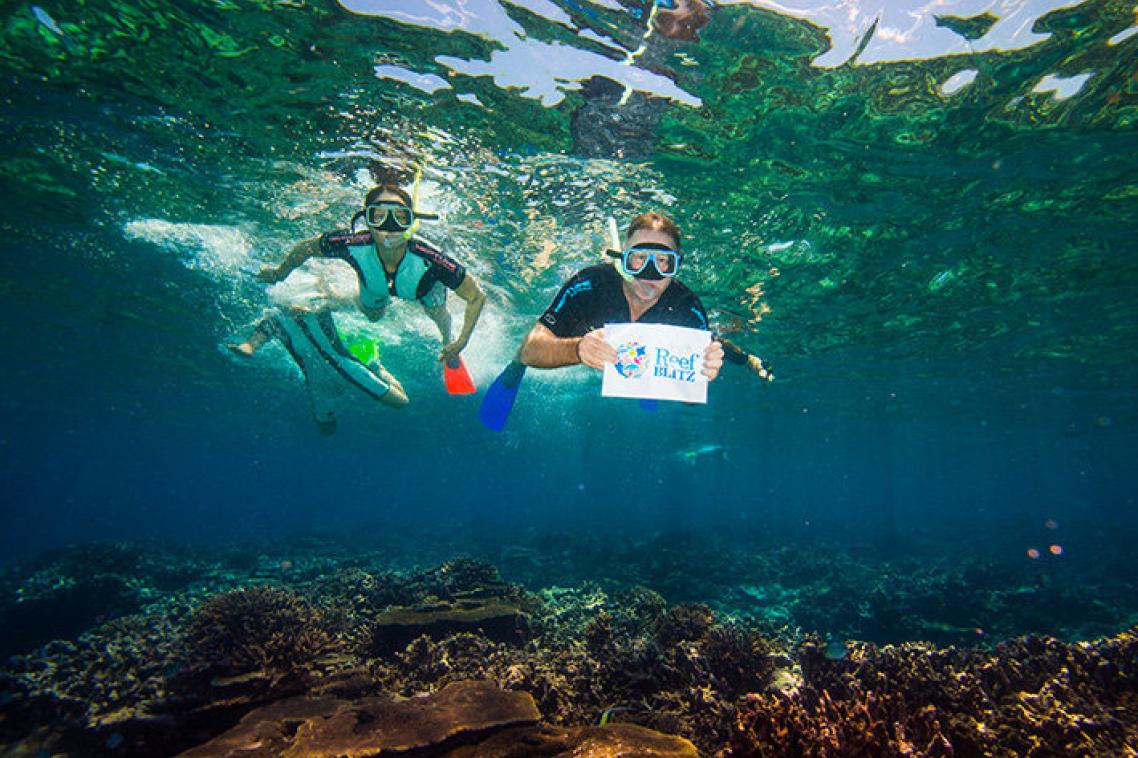
The benefits of increasingly popular citizen science programs extend well beyond helping researchers to collect data, a study has shown.
University of Queensland researchers, working with organisations in the Reef Citizen Science Alliance, found that more than half the people attending a citizen science event were likely to adopt new actions to help reefs.
Dr Angela Dean from the ARC Centre of Excellence for Environmental Decisions (CEED) said the findings were encouraging for citizen science projects and would be relevant to other programs.
“We surveyed participants in ReefBlitz, an annual event that brings together multiple citizen science programs to help Queensland communities collect information relevant to reef health,” Dr Dean said.
“Surprisingly, when we looked at what parts of the experience led to a likely change of behaviour, it wasn’t learning facts about reefs.
“What did work was allowing people to see what the problems were, and showing them how to do something about it, so it’s important we make reef issues and solutions real for people, rather than just throwing facts at them.”
In 2016, more than 1600 ReefBlitz participants collected more than 28,000 pieces of data through activities along the Queensland coast.
Reef Citizen Science Alliance coordinator Jennifer Loder said the research highlighted the valuable role of citizen science programs as a pathway to help more people look after Queensland’s reefs.
“Citizen science organisations see first-hand the power of programs, for science and for citizens,” she said.
“Research like this is critical to building a broader understanding about the positive outcomes.”
The study is published in Journal Environmental Management.
Media: Angela Dean, a.dean@uq.edu.au; CEED Communications, Casey Fung, c.fung@uq.edu.au, 0433 638 643; Jennifer Loder, info@reefcitizenscience.org.
Related articles

A new way to navigate tough land and water use decisions
