
Technology holds personalised cancer vaccine breakthrough
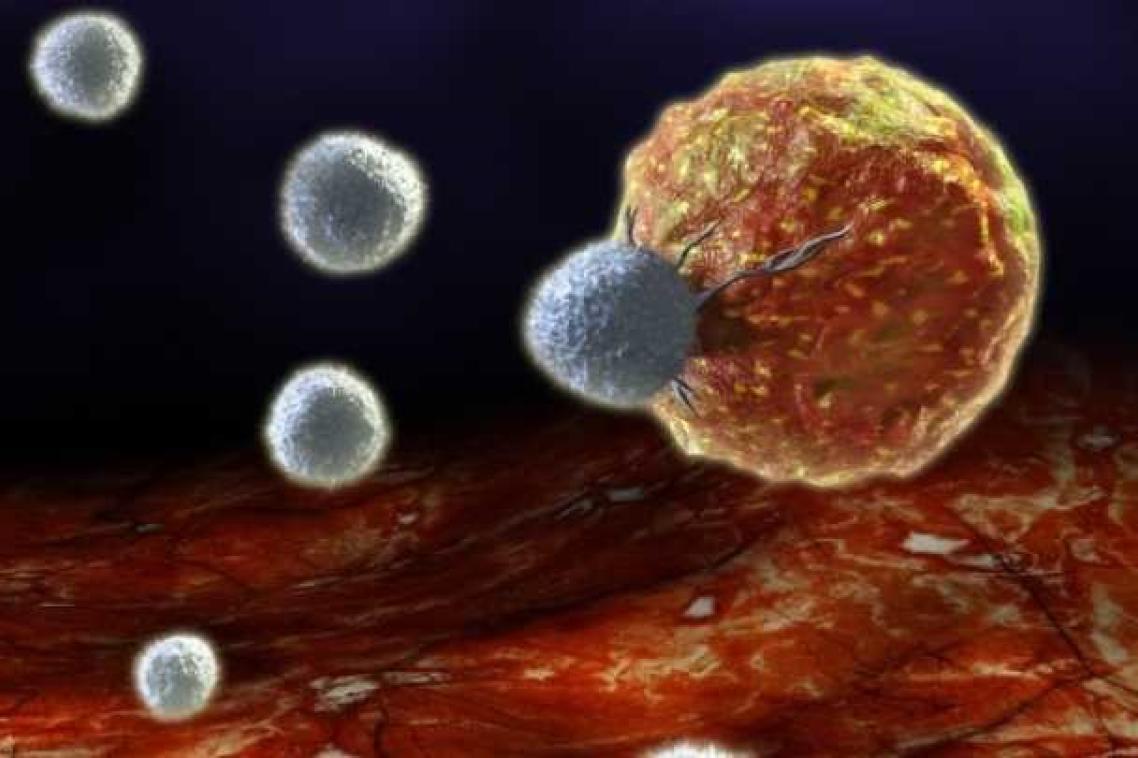
University of Queensland researchers have developed a vaccine delivery technology that enables treatment to be tailored precisely for different cancers.
UQ’s Professor Ranjeny Thomas said the technology had the potential to improve the precision of cancer immunotherapy, leading to better cancer outcomes and reduce harmful side-effects.
“Flexible cancer vaccines are a long-sought treatment strategy in cancer immunotherapy,” Professor Thomas said.
“Cancer vaccines represent a precision cancer treatment strategy which stimulates the immune system to attack cancer cells without affecting other cells in the body.
“While a new class of immunotherapy drugs, called checkpoint inhibitors, has promising results in previously untreatable cancers, they are only effective in a limited proportion of cases, and may have inflammatory side-effects.
“Current cancer vaccines have limited flexibility and effectiveness.”
The solution, tailored NanoEmulsion technology, results from a new approach to cancer vaccination.
“NanoEmulsions are tiny carrier packages that encapsulate proteins made only by cancer cells,” Professor Thomas said.
“They are designed to target specific immune cells, which educate the immune system about cancer proteins.”
UQ researcher Professor Riccardo Dolcetti said the process accelerated a precise immune attack on cancer cells.
“The versatility and efficacy of the new NanoEmulsion-based vaccines in mice are particularly promising building blocks to tailor vaccines to individual patients and improve personalised cancer immunotherapy in the future,” he said.
The paper has been published in The Journal of Clinical Investigation.
Media: Professor Ranjeny Thomas, ranjeny.thomas@uq.edu.au, +61 7 3443 6960; Faculty of Medicine Communications, Kate Zischke, kate.zischke@uq.edu.au, +61 7 3365 5133.
Related articles

Strawberry skin’s strength measured with student device
