
Brain development influenced by the immune system
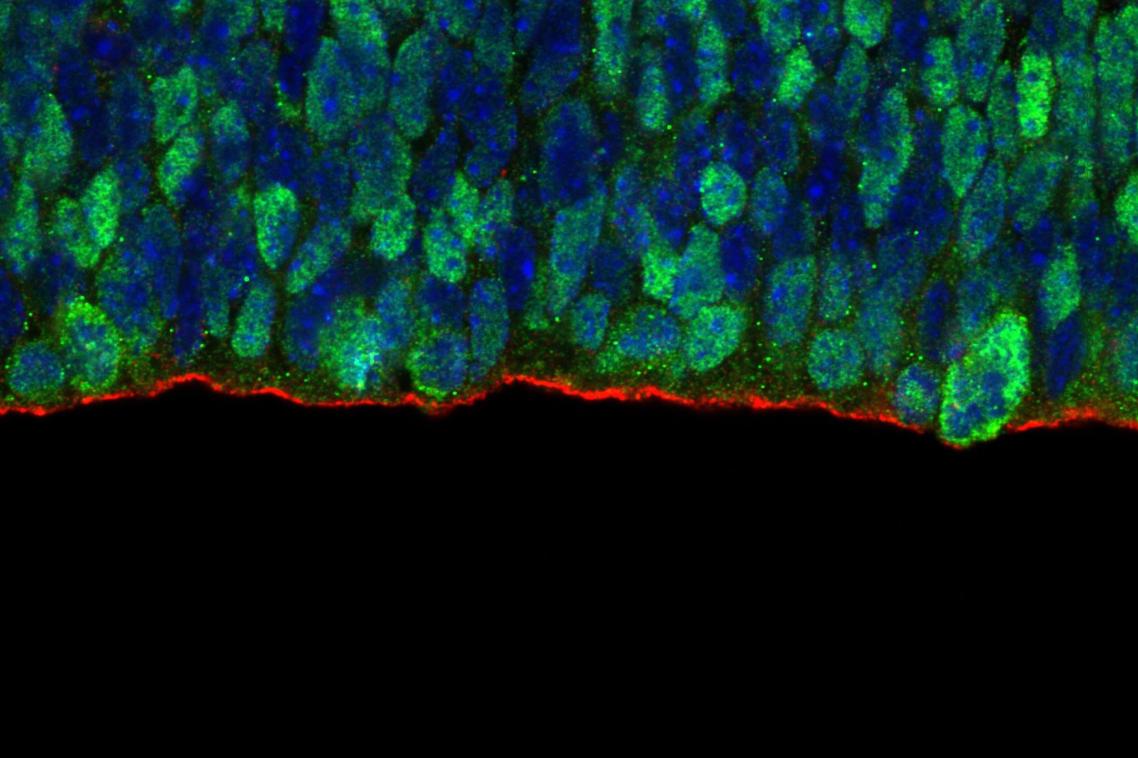
University of Queensland researchers have highlighted a link between fetal brain development and the origins of developmental diseases such as schizophrenia.
UQ Faculty of Medicine’s Dr Liam Coulthard said many adult diseases originated during fetal development.
“Complement factors – part of the immune system that kills bacteria and helps white blood cells treat infection – also shape the development of neural networks and normal brain development,” Dr Coulthard said.
“Complement factors have been linked to schizophrenia, autism spectrum disorder and non-hereditary epilepsy in genetic studies.
“Our findings mean we should be very careful when targeting the complement system to dampen inflammation during pregnancy, as there might be associated risk from treating pregnant women for inflammation.
“Either through infection or medication, complement factor activity has the potential to throw off that balance and therefore have consequences in adulthood.
The findings also highlight new and unexpected potential causes for developmental brain diseases as well as risk factors for mental illness.
“Local disruption of brain development by complement factors can also result in abnormal networks, neural positions or what type of neuron the stem cell becomes,” Dr Coulthard said.
The review is published in Trends in Neuroscience.
Media: Liam Coulthard, l.coulthard@uq.edu.au, +61 403 428 255; Faculty of Medicine Communications, Claire Usmar, c.usmar@uq.edu.au, +61 7 3365 5118.
Topics
Related articles

Fewer and fewer parents will smack their children – but it’s still legal. Should that change?
