
Gut reaction linked to type 1 diabetes
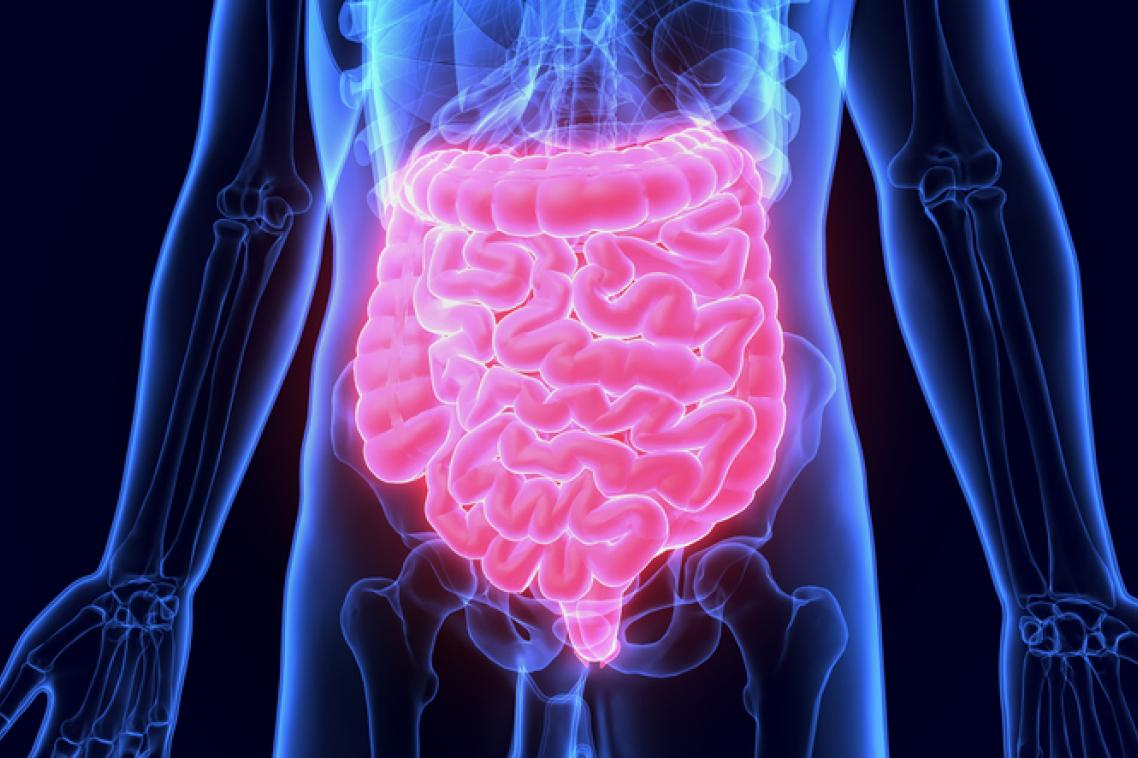
Understanding the link between diabetes and the gut could lead to the development of new therapies to delay the onset of type 1 diabetes, according to University of Queensland researchers.
UQ Diamantina Institute Senior Research Fellow Dr Emma Hamilton-Williams said a change in microorganisms in the gut could help predict and monitor the progression of the disease.
“Type 1 diabetes is caused by an immune attack on the pancreas,” she said.
“While there has been a suspected link between gut bacteria and disease progression, a direct relationship between pancreas function and gut bacteria hasn’t been shown until now.
“By studying the stool samples of participants, we found that changes in gut bacteria weren’t just a side effect of the disease, but are likely related to disease progression.
“Seeing the same characteristics in recently diagnosed patients and undiagnosed high-risk relatives means these proteins may be used to predict a future diabetes diagnosis.”
“Understanding what pathways lead patients to develop type 1 diabetes is key to developing new treatment strategies and accurately measuring the success of clinical trials.
“We would like to conduct a study where we monitor subjects before and after diagnosis to confirm whether the proteins we indentified predict disease progression.
“The team is now involved in clinically trialling a specialised dietary supplement to target the gut microbiota in patients with type 1 diabetes.
“We hope that this treatment reverses the disease-associated changes we found in our study.”
The study was funded by Juvenile Diabetes Research Foundation International and is published in Diabetes Care (https://doi.org/10.2337/dc18-0777).
Media: Dr Dr Emma Hamilton-Williams, e.hamiltonwilliams@uq.edu.au, +61 7 3443 6989; Faculty of Medicine, med.media@uq.edu.au, +61 7 3365 5118.
Topics
Related articles

Would subsidising weight loss drugs make health care fairer?
