
People with dementia supported to hang up the keys
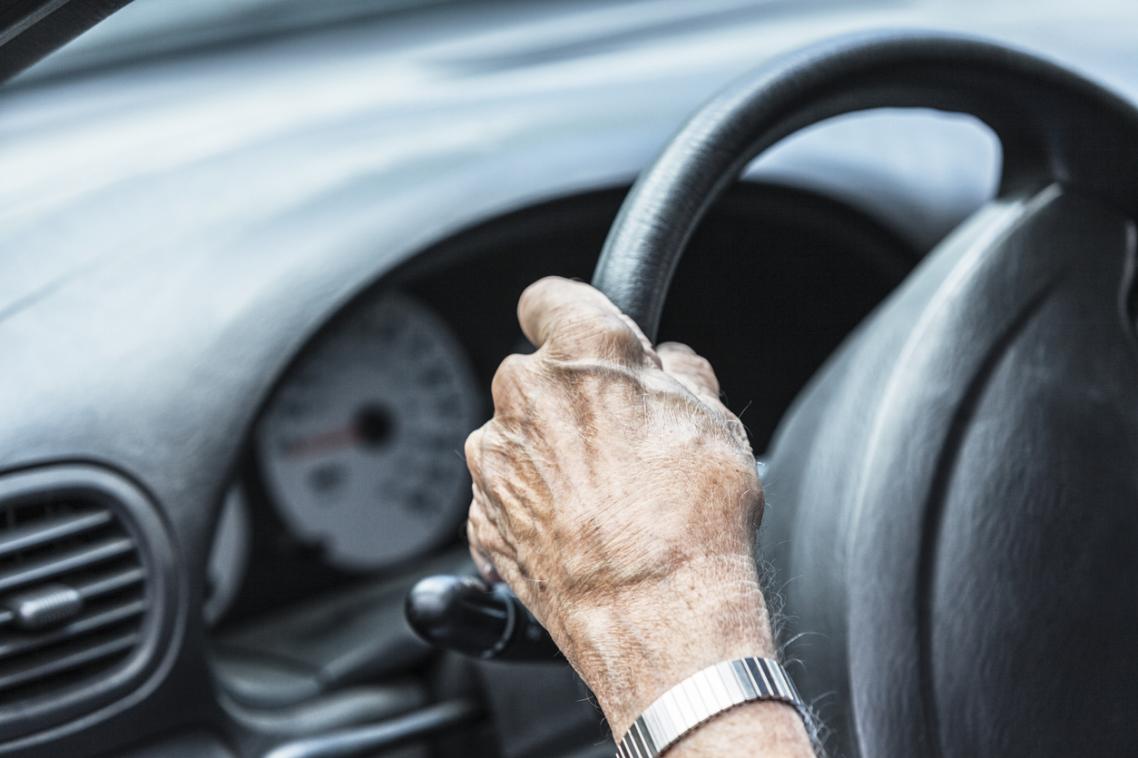
When people with dementia hang up their car keys, the sudden loss of mobility can have devastating effects.
The University of Queensland School of Psychology’s Dr Theresa Scott said the CarFreeMe program was designed to help make the transition easier.
“Mobility impairments and loss of driving may lead to people becoming isolated and house-bound, and at increased risk of depression and anxiety,” she said.
“CarFreeMe educates people with dementia, and their families, on how to stay active in the community without a car.
“Developing alternative transport habits and making lifestyle changes have the most benefit in the early stages of dementia, while people are still driving, to allow room for adapting to changes.
“Providing alternative transport options and emotional support for loss and grief are shown to lessen the negative effects of driving cessation.
“For people who have stopped driving, the study provides tailored information for alternative mobility support services so they can continue to be actively engaged within their communities.
“Care partners or family members can also receive education and support to assist them to manage this significant life change for their loved ones.”
The program is being delivered in Canberra and surrounding southern New South Wales regions.
People with dementia aged 65 years and older who are still driving, or who have stopped driving, can participate in a seven week program.
Participants will be the first to trial innovative technology and use telehealth to meet with health professionals and develop tailored solutions to their individual needs.
Support will also be provided by a local occupational therapist.
“We hope results will contribute to the intervention becoming more widely available to people living with dementia, and their families, who are experiencing issues related to driving and driving cessation,” Dr Scott said.
The team that developed the CarFreeMe program consists of researchers from UQ’s School of Psychology, School of Health and Rehabilitation Sciences and Faculty of Medicine.
Find out more about the program on the CarFreeMe website or email Amy Nussio on a.nussio@uq.edu.au or phone +61457 779 766.
Media: Dr Theresa Scott theresa.scott@uq.edu.au, Kirsten O’Leary, UQ Communications, k.oleary@uq.edu.au, +61 7 3365 7436, @UQhealth.
Topics
Related articles

From cooked breakfast to their own TV, aged care residents need to watch for extra fees
