
24 hour dive to support coral reefs
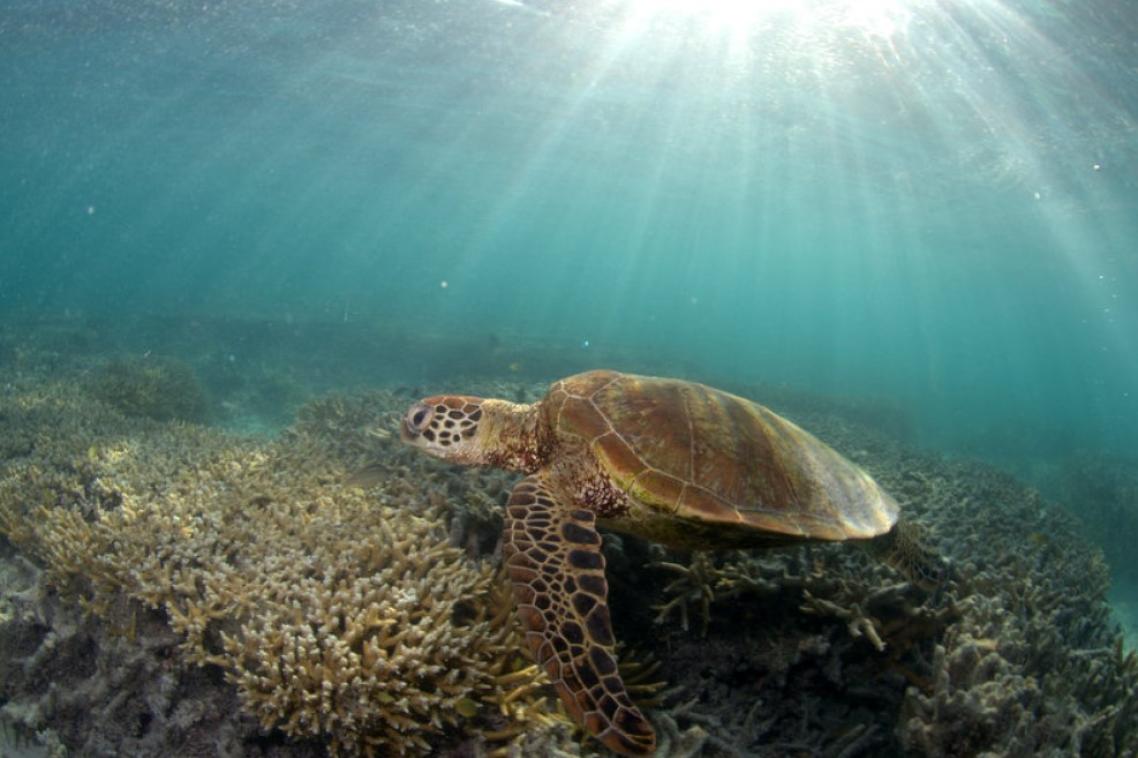
A team of more than 40 divers will be going to great depths to raise funds and awareness for coral reefs – collectively spending 24 hours under water at an event being held at The University of Queensland.
The relay dive will see members of UQ’s Underwater Club UniDive, pairing up to take hour-long dives over 24 hours in St Lucia’s UQ Sport Aquatic Centre, starting from 9am on Saturday 20 October.
Event coordinator Dr Chris Roelfsema said the event was part of the Reef Citizen Science Alliance’s month-long ReefBlitz citizen science and community action campaign.
“The event’s bringing together a range of UQ-related groups – including UniDive, UQ Sport, Coral Watch, Reef Check Australia, and Virtual Reef Diver – to promote reef conservation and fundraise in the International Year of the Reef,” Dr Roelfsema said.
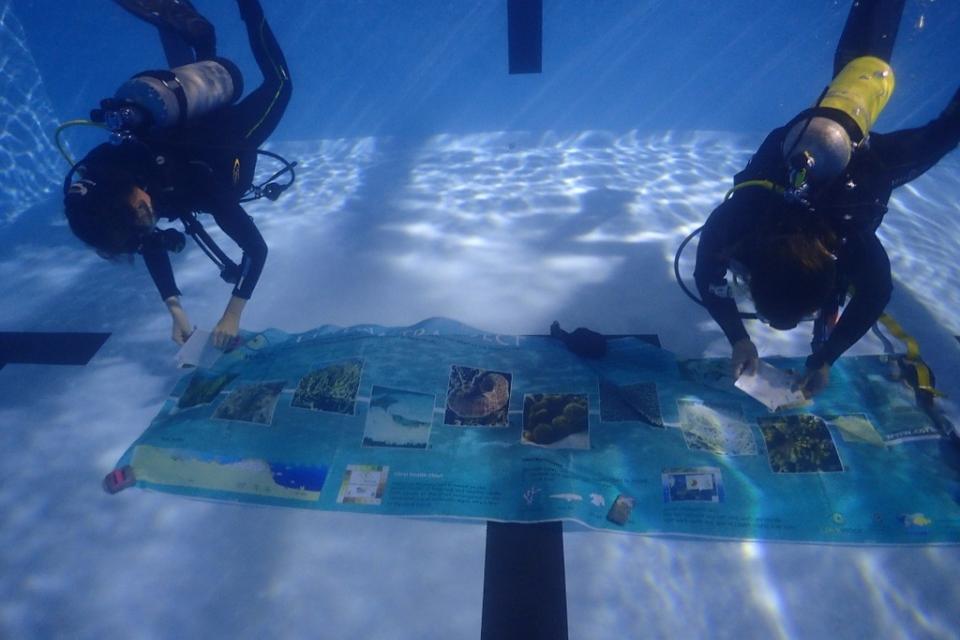
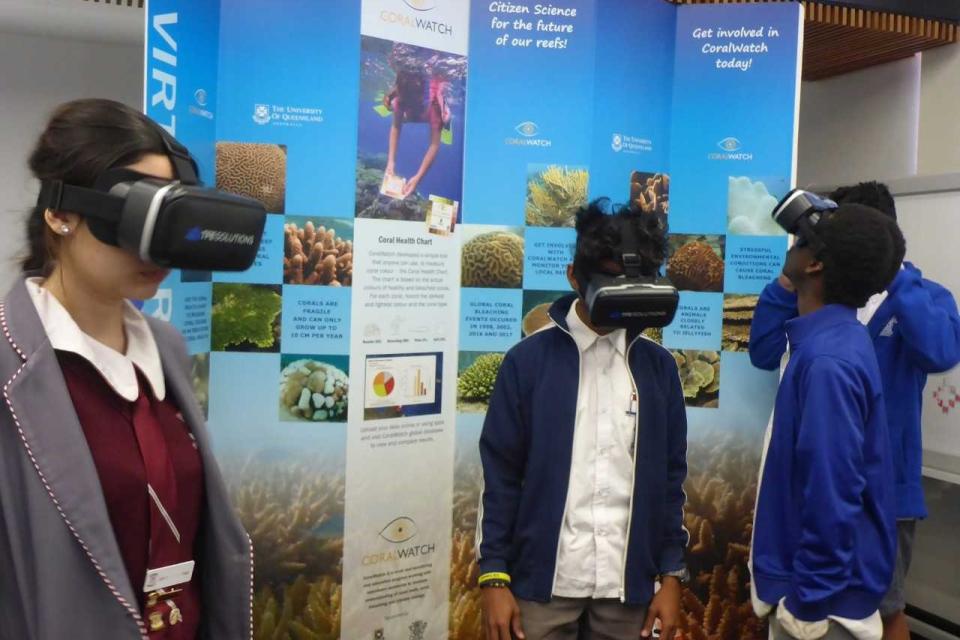
“As well as the diving, we’ll be running virtual reality activities, coral identification, an underwater rugby demonstration, the creation of a plastic recycled reef, a screening of Lin Sutherland’s film Beauty and the Reef, reef themed trivia, a BBQ, prize draw, and more.
“We don’t want our divers to miss out on the fun, so we’re also planning a variety of activities for the submerged divers, including research tasks and hopefully an underwater video link.”
Dr Roelfsema, a Senior Research Fellow in coastal marine science at UQ’s School of Earth and Environmental Science, said that this event would provide an opportunity to educate the public about the value of coral reefs.
“25 per cent of marine creatures originated from, or are depending on, coral reefs, but coral reefs only cover one per cent of the ocean floor,” he said.
“But a lot of people simply don’t know these facts, and how can you love and protect something if you don’t know enough about it?
“We are hoping that this event can play its part in changing that, helping the community see the value in protecting these precious places.”
The event is a collaboration between UniDive, the UQ Sport Aquatic Centre, Coral Watch, Reef Check Australia, Virtual Reef Diver, Reef Citizen Science Alliance and Lin Sutherland.
More information can be found on UniDive’s event page or via the day’s program, and the public can get involved in ReefBlitz at www.reefblitz.org.
Funding for many ReefBlitz 2018 events is provided through the Queensland Government Reef Water Quality Program.
Image above left: UniDive volunteers practicing coral reef health surveys at the UQ Aquatic Centre. Credit: Dr Chris Roelfsema
Image above right: Exploring the reef through virtual reality will be one of the events on show. Credit: Coral Watch
Media: Dr Chris Roelfsema, c.roelfsema@uq.edu.au, @ChrisRoelfsema, +61 400 207 401; Dominic Jarvis, dominic.jarvis@uq.edu.au, +61 413 334 924.
Topics
Related articles

UQ to support development of mobile launcher for high-speed flight R&D
