
Gene map offers osteoporosis hope
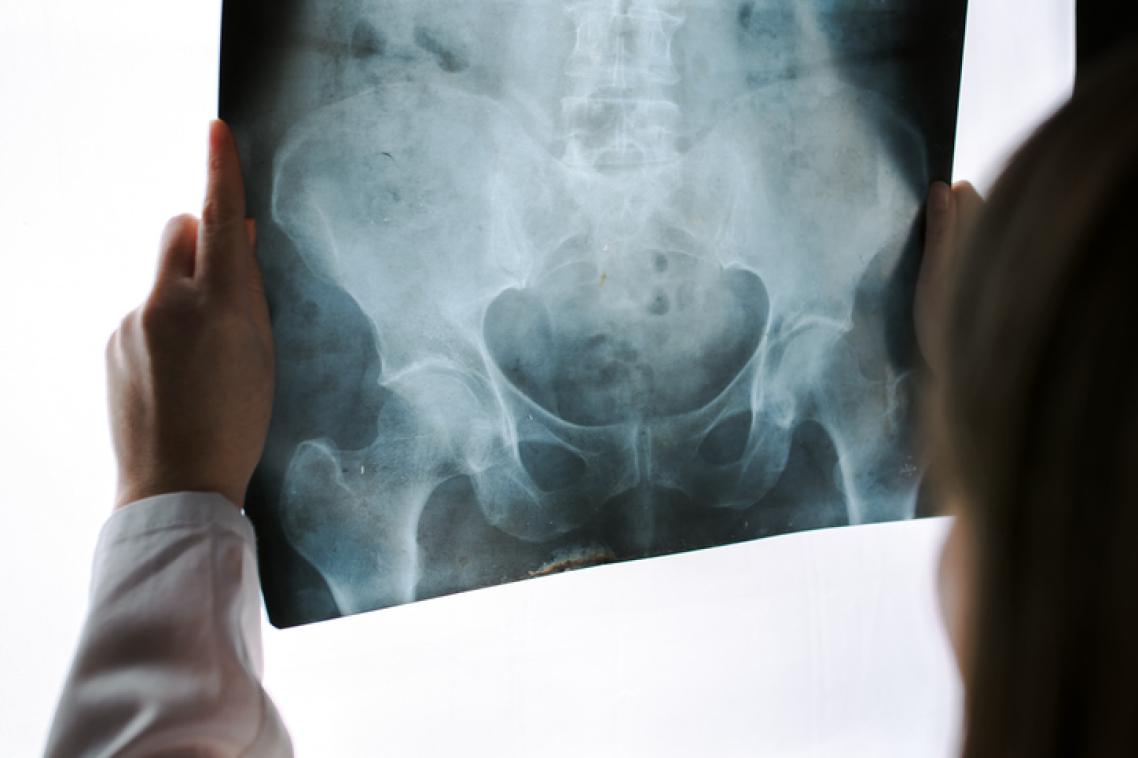
An atlas of genetic markers may hold the key to unlocking new treatments for osteoporosis, thanks to University of Queensland researchers.
The team identified more than 500 genetic markers which determine bone mineral density, one of the strongest risk factors for osteoporosis.
Researchers hope the atlas will lead to the development of treatments by highlighting a select set of genes.
UQ Diamantina Institute geneticist Dr John Kemp said the study examined DNA from more than 400,000 individuals in the UK Biobank.
“Within those samples, our study identified hundreds of potential drug targets for future osteoporosis therapies,” Dr Kemp said.
“We discovered which genetic markers had the greatest effect on improving bone density and reducing the risk of fracture.
“This will allow pharmaceutical companies to narrow their search for a solution to preventing fractures in people who are predisposed to osteoporotic fractures.”
Osteoporosis is a common age-related condition characterised by the progressive reduction of bone strength and density, resulting in a high risk of fracture.
Fractures can have severe consequences, especially among older patients, and impose major burdens including hospitalisation and extended rehabilitation.
University of Queensland Professor of Genetics David Evans said there were currently few treatments for osteoporosis that increased bone density.
“Most current treatments for osteoporosis act primarily by slowing the rate of bone loss rather than by increasing existing bone mass,” he said.
“There is a considerable need to develop new pharmacological agents that not only treat osteoporosis, but prevent the appearance of the disease in the first place.
“We hope our study will accelerate this process by providing an atlas of promising targets that pharmaceutical companies can use to prioritise candidate drugs for development.”
The study was led by researchers from UQ and the Lady Davis Institute at the Jewish General Hospital in Montreal.
The findings are published in Nature Genetics (DOI 10.1038/s41588-018-0302-x).
Media: Dr John Kemp, j.kemp2@uq.edu.au, +61 404 639 056; Faculty of Medicine Communications, med.media@uq.edu.au, +61 7 3365 5118.
Topics
Related articles

Why some anti-vaping campaigns miss the mark
