
UQ natural weed control an Australian first
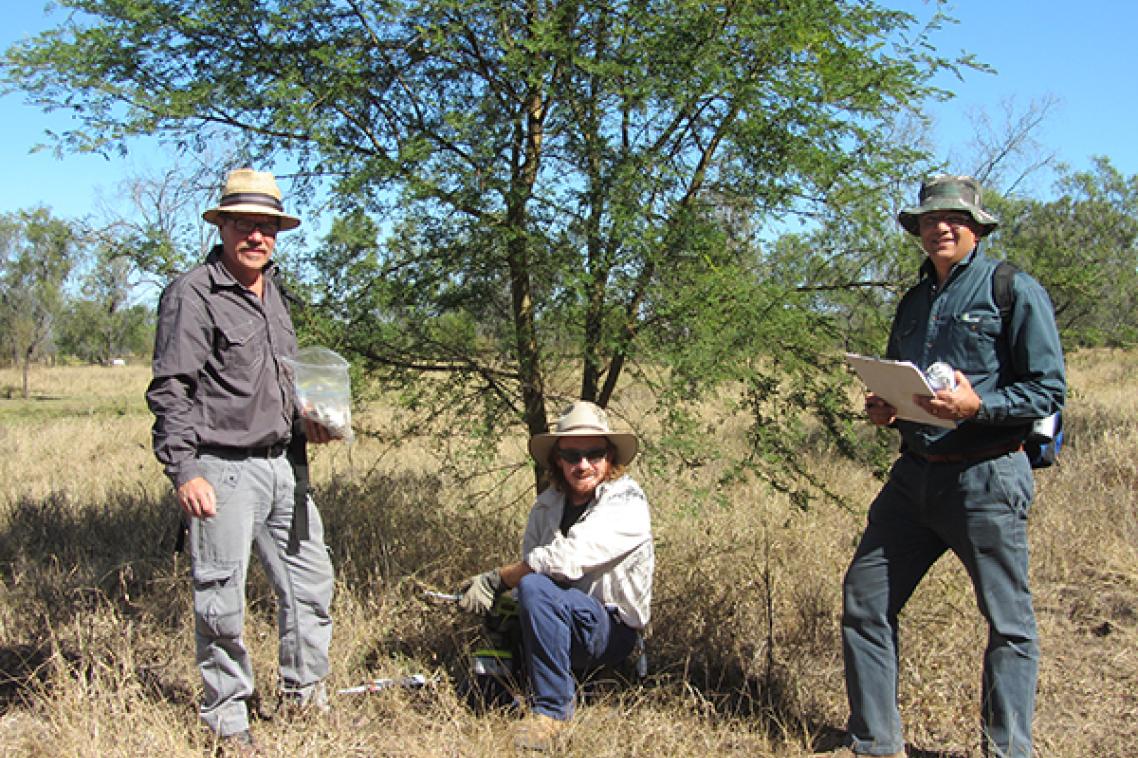
A natural weed control that will help manage one of Australia’s most invasive introduced weeds has become the first woody weed bioherbicide to be granted federal regulatory approval – following an eight-year wait.
The Di Bak Parkinsonia fungal bioherbicide was developed at The University of Queensland by plant pathologist Professor Victor Galea and Dr Naomi Diplock.
BioHerbicides Australia (BHA) was formed by UQ’s UniQuest commercialisation company in 2010, when it sought Australian Pesticides and Veterinary Medicines Authority (APVMA) approval to market the bioherbicide.
BHA managing director Peter Riikonen said the bioherbicide received regulatory approval last month, paving the way for Di Bak Parkinsonia to be safely used nation-wide.
“Parkinsonia is one of Australia’s most invasive weeds, threatening rangelands, wetlands and natural waterways, as well as native plants and animal species,” he said.
“This weed is so problematic that in many parts of the country, the law requires landholders to contain Parkinsonia bush on their properties.
“Current attempts to control this introduced species involve invasive mechanical clearing of land or potentially harmful chemical sprays, which is why our fungal bioherbicide has so much potential.
“The agent can be injected into the trunk of the Parkinsonia tree and cause it to die without damaging the surrounding environment.”
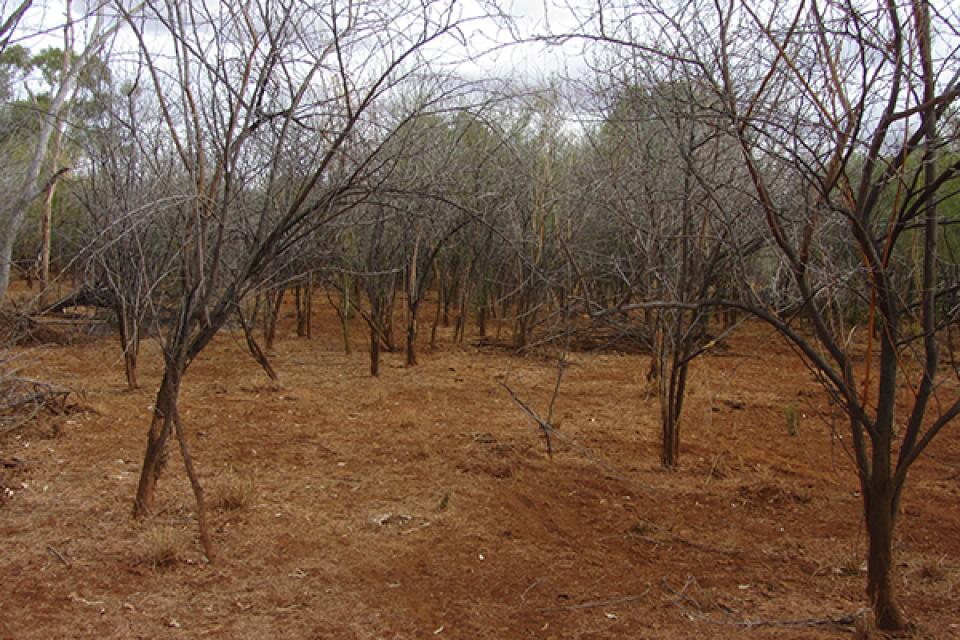
Professor Galea said he co-developed the bioherbicide using naturally occurring fungi that causes plants to dieback.
“It was developed as a result of research conducted with Dr Diplock to explore the cause of dieback of Parkinsonia that occurs naturally in our landscape, with a view to harnessing it to create a natural management method,” he said.
“The result has been a new and effective biological agent that is safe to use, causes minimal harm to the environment and will result in sustainable and ethical control.
“This bioherbicide, which can be made into capsules and injected into trees, will change the way we manage woody weeds in our landscape.”
Media: UniQuest, Brooke Baskin, b.baskin@uniquest.com.au, 0409 767 199; BHA, Peter Riikonen, p.riikonen@bioherbicides.com.au, 0402 437 670.
Related articles

Fewer and fewer parents will smack their children – but it’s still legal. Should that change?
