
Vaccine one step closer for one of the world’s biggest killers
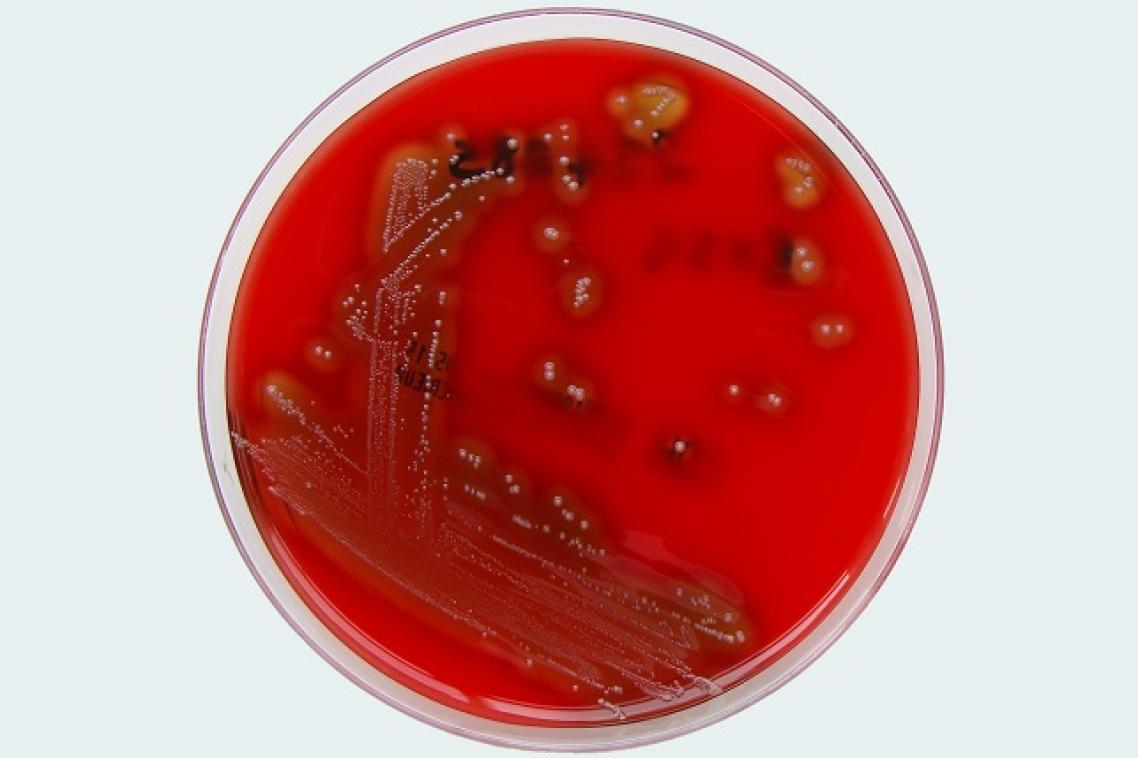
The search for a global Streptococcus A vaccine has narrowed after researchers sequenced the DNA of more than 2000 samples of the bacteria worldwide.
An international team including University of Queensland researchers identified a common gene signature in almost all global Strep A strains, in a project spanning a decade and more than 20 countries.
UQ’s Professor Mark Walker said Strep A, one of the top 10 causes of death from infectious diseases worldwide, is endemic in low-socio economic regions.
“Strep A is incredibly dangerous, causing more than half a million deaths per year,” he said.
“It usually presents as a sore throat or skin sores which, with repeated bouts and left untreated, can lead to rheumatic heart disease.
“And Indigenous Australia has one of the highest incidences of rheumatic heart disease in the world.”
Project co-leader Professor Mark Davies said despite being one of the world’s biggest killers, there were significant geographic gaps in the researchers’ understanding of the disease.
He said there was insufficient research on Strep A in endemic settings, with most data coming from high-income countries like Australia, the UK and the US.
“We had little knowledge of the bugs that live and drive disease in endemic areas,” Dr Davies said.
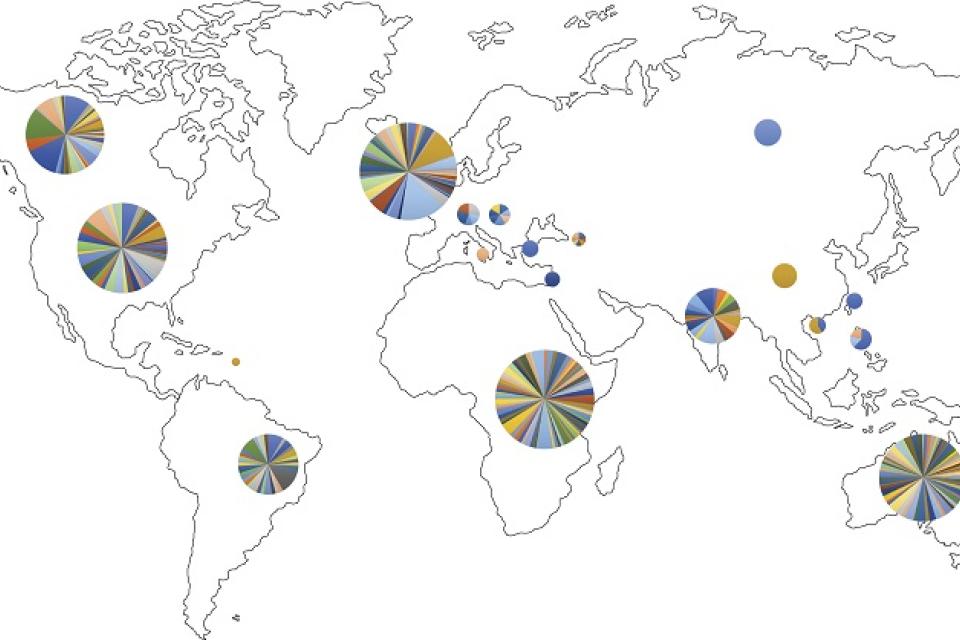
“Using large-scale genomic sequencing, we identified the existence of more than 290 genetically different lineages of clinically important Strep A.
“This is a tremendous step forward in identifying what may work as a global vaccine candidate.”
The data is being used to compile a Strep A genetic database, and Professor Walker said it had the potential to help fast track a Strep A vaccine.
“Vaccine developers and the wider scientific community can now use the database that we’ve created to identify the most common genes to aid in the development of what could be an effective group A strep vaccine,” he said.
“I believe a global vaccine is possible – renewed momentum through our and other research findings, in addition to increased funding commitments, will enhance the drive for a global vaccine.”
The project was a collaboration between UQ, the Wellcome Sanger Institute, the University of Cambridge and the Peter Doherty Institute for Infection and Immunity.
The research findings have been published in Nature Genetics (DOI: 10.1038/s41588-019-0417-8).
Image above left: Global distribution of the diverse Strep A strains represented within the global genome database. The size of pie charts represent the number of isolates per region and the colours represent different Strep A serotypes.
Media: Mark Walker, mark.walker@uq.edu.au, +61 7 3346 1623; Dominic Jarvis, dominic.jarvis@uq.edu.au, +61 413 334 924.
Topics
Related articles

Researchers transforming bioplastics into ‘superstructure’ medical hydrogels
