
Global burden of mental health in conflict settings
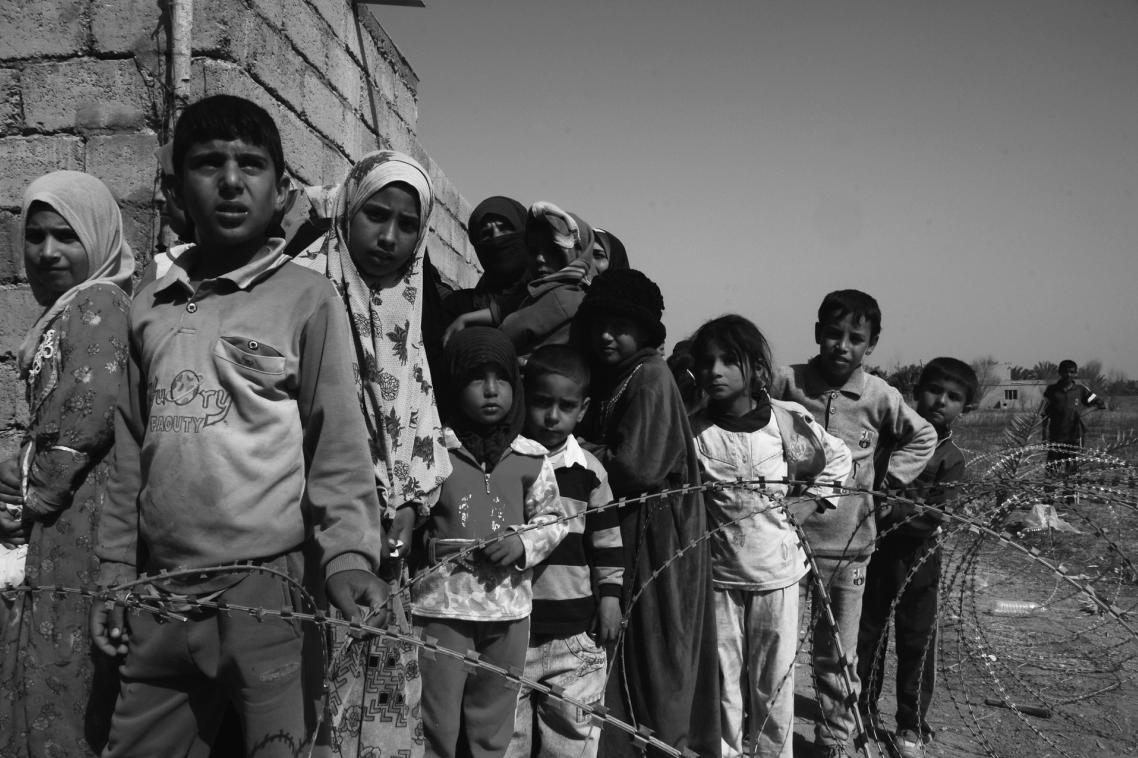
People living in countries that have experienced armed conflict are five times more likely to develop anxiety or depression, a University of Queensland research collaboration has found.
UQ School of Public Health researcher Dr Fiona J Charlson said the study, conducted with the World Health Organisation (WHO) and University of Washington, highlighted the serious effects of war on mental health.
“The burden of mental disorders is extremely high in conflict-affected populations,” Dr Charlson said.
“It is estimated that one in five people in such areas will develop a mental health disorder at any point in time and the rate of anxiety and depression is five times higher than the rest of the world.
“The high prevalence shows the sheer enormity of the problem.”
The study also showed that the struggles of everyday life against a backdrop of instability and war have a profound impact on mental health.
“The direct and repeated exposure to trauma and armed conflict takes its toll on the mental health of populations,” she said.
“There is also the increased stress involved as people try to go about their normal day, finding food and trying to make an income amongst the conflict.
“Poverty is endemic in wars, and this has strong links to mental illness which we can see reflected in the findings.”
The WHO and global community is expected to use the results to make a compelling case for considering mental health during humanitarian crises.
“In these conflict environments, health systems are often destroyed or do not function properly, which means people who may have been previously accessing treatment have been cut off,” Dr Charlson said.
“Given the vast numbers of people in need and the humanitarian imperative to reduce suffering, there is an urgent need to implement scalable mental health interventions to address this burden.”
She said emergencies could be a catalyst for the development of meaningful mental health services due to heightened political interest and increased funding sources.
The research will augment practical guidelines for the management of mental disorders in humanitarian emergencies which already exist.
The WHO Humanitarian Intervention Guide is a guideline of moderate interventions for non-specialist health-care providers where access to specialists and treatment options is limited.
Problem Management Plus focuses on scalable psychosocial support services and the need for interconnectedness between people and communities.
The World Health Organisation helped fund this research and played a role in data analysis and interpretation of results. Core funding for the Queensland Centre of Mental Health Research is provided by the Queensland Department of Health. The Institute for Health Metrics and Evaluation receives funding from the Bill and Melinda Gates Foundation.
This research is published in The Lancet (DOI: 10.1016/ S0140-6736(19)30934-1) and is a collaboration between the World Health Organisation and the University of Washington Institute of Health Metrics and Evaluation.
Media: Dr Fiona Jayne Charlson, f.charlson@uq.edu.au; Faculty of Medicine Communications, med.media@uq.edu.au, +61 7 3365 5118.
Topics
Related articles

Sick of being told to ‘just lose weight’? Health promotion shouldn’t come with weight stigma
