
The front line of environmental violence
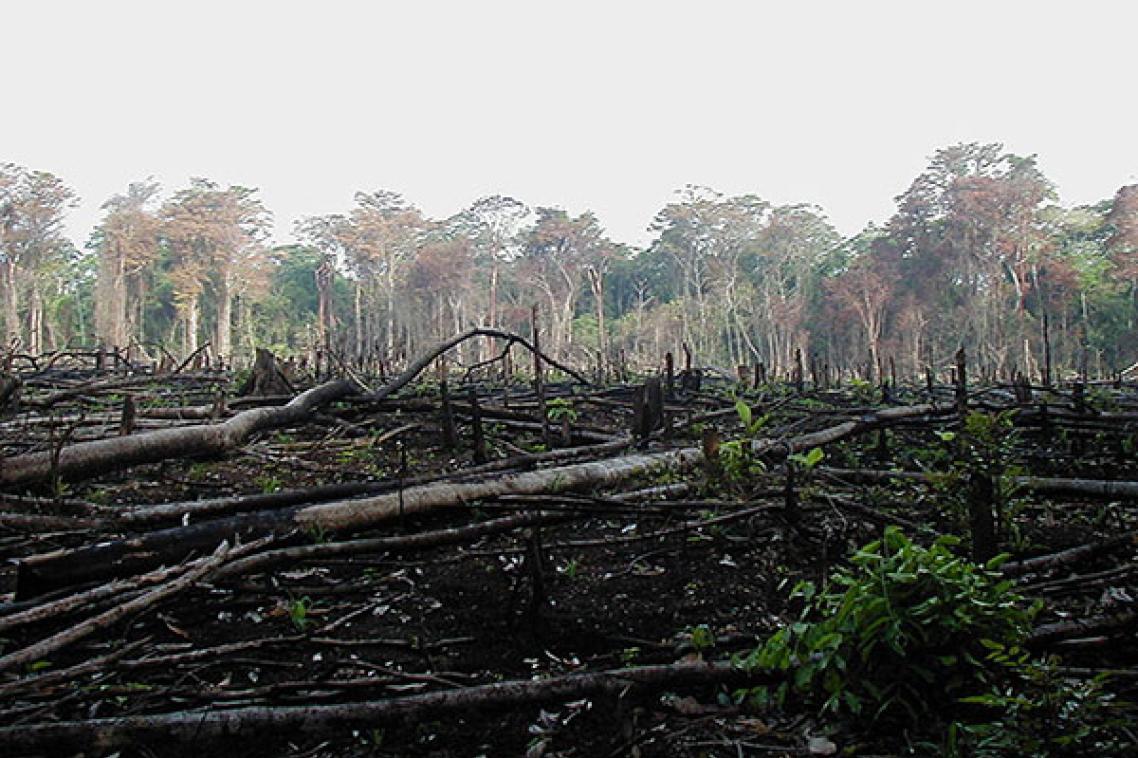
Environmental defenders on the front line of natural resource conflict are being killed at an alarming rate, according to a University of Queensland study.
According to UQ School of Biological Sciences researcher Dr Nathalie Butt, the 1558 deaths recorded between 2002 and 2017 were largely due to external demand for the very resources they were trying to protect.
“The number of reported deaths of environmental defenders has increased, as well as the number of countries where they occur,” Dr Butt said.
“Environmental defenders help protect land, forests, water and other natural resources.
“They can be anyone – community activists, lawyers, journalists, members of social movements, NGO staff and Indigenous people – anyone who resists violence.
“And importantly, Indigenous peoples are dying in higher numbers than any other group.”
The reasons for the fatal violence are mainly related to conflict over natural resources, such as water, timber, land for agriculture or development, or minerals.
A third of all deaths between 2014 and 2017 – more than 230 – were linked to the mining and agribusiness sectors.
“Although conflict over natural resources is the underlying cause of the violence, spatial analyses showed corruption was the key correlate for the killings,” Dr Butt said.
“Globally, 43 per cent of all murders result in a conviction, while for environmental defenders this figure is only 10 per cent.
“In many instances, weak rule of law means that cases in many countries are not properly investigated, and sometimes it’s the police or the authorities themselves that are responsible for the violence.
Dr Butt is calling for more transparency and accountability from multinational companies and governments, and awareness from consumers.
“The ecology of the planet is fundamental to the production of food and resources – that we all depend upon – and we are ultimately bound to support it, otherwise it will not support us,” she said.
“Part of this support is to protect the people who protect it.
“As consumers in wealthy countries – who are effectively outsourcing our resource consumption – we share responsibility for what’s happening.
“Businesses, investors and national governments at both ends of the chain of violence need to be more accountable.”
The research has been published in Nature Sustainability (DOI: 10.1038/s41893-019-0349-4).
Data used for this study were collected by Global Witness.
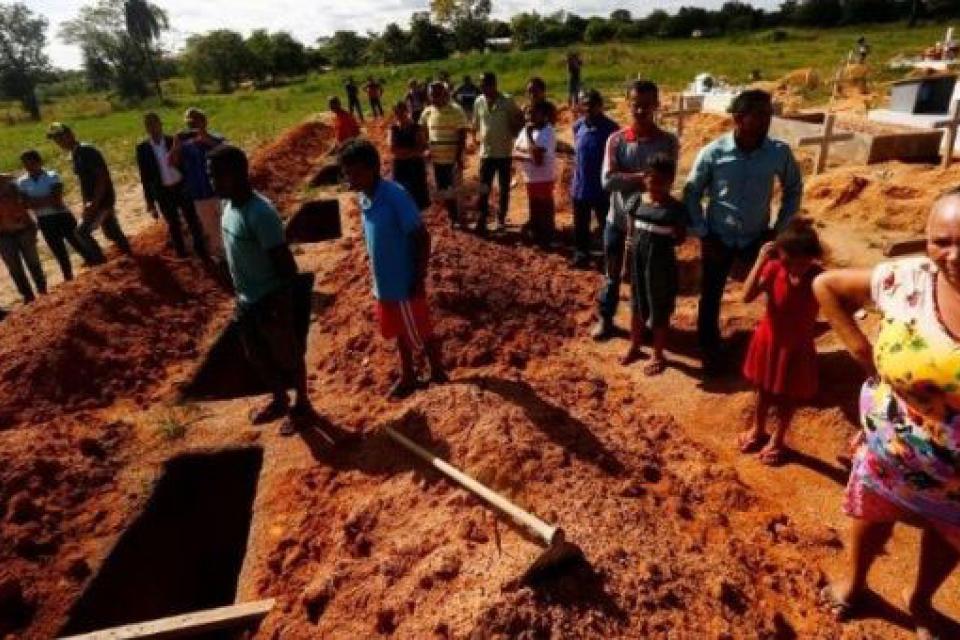
Image above: Relatives of victims who were killed when police arrived at the Santa Lucia farm in the municipality of Pau D'Arco, attend their burial in 2017. Credit: Lunae Parracho.
Media: Dr Nathalie Butt, n.butt@uq.edu.au, +61 437 902 079; Dominic Jarvis, dominic.jarvis@uq.edu.au, +61 413 334 924.
Topics
Related articles

Fishmeal alternative aims to protect marine wildlife from overfishing
