
Trauma and disease ravage SEQ koalas
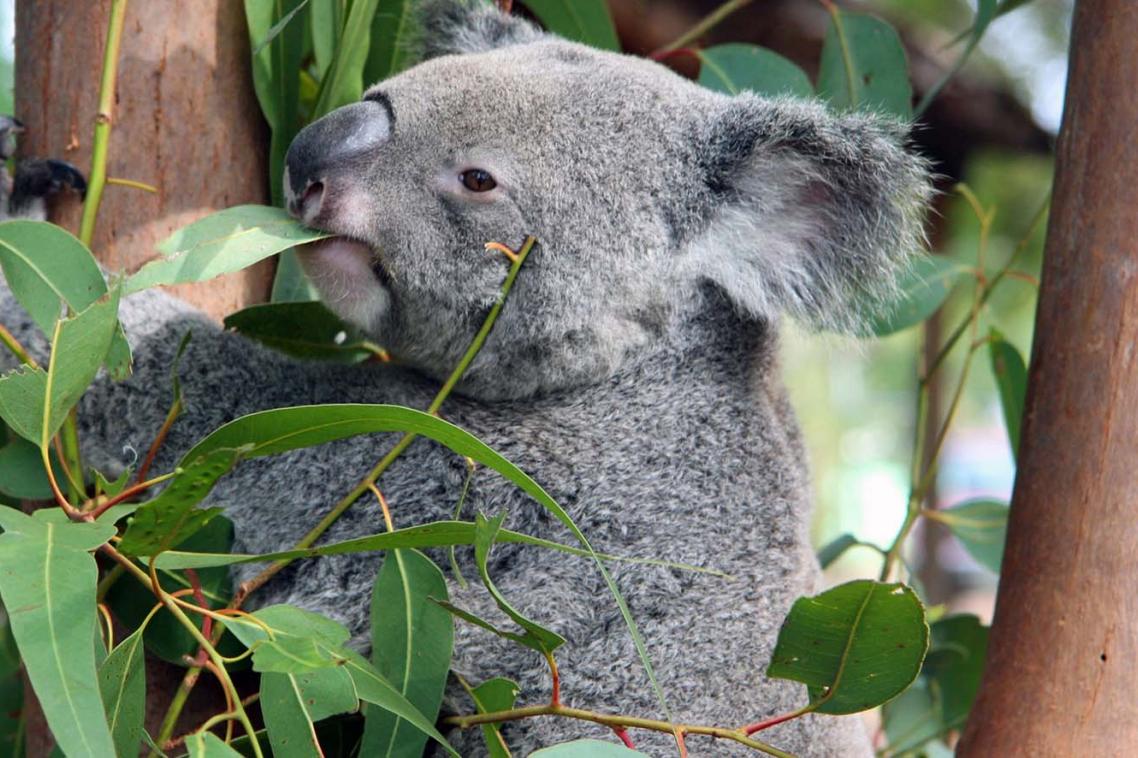
It’s well known that South East Queensland koalas are doing it tough, and a University of Queensland study sheds new light on the multiple issues afflicting them.
Researchers Associate Professor Rachel Allavena and Associate Professor Joerg Henning investigated the relationship between disease and mortality in South East Queensland koalas.
Dr Allavena said koala populations continued to decline, and it was vital to understand causes of death if strategies were to be implemented to increase their survival.
“Trauma and infectious disease are the most common single diagnoses in koalas, however koalas often are affected by more than one medical condition,” she said.
“Chlamydia is the most frequently reported infectious disease, and it remains the biggest factor in koala deaths and infertility.
“To sustain the koala population, we need to tackle threats such as trauma, disease and rapid koala habitat clearing, in an integrated koala conservation strategy.
“The recent bushfires have not only injured and killed many koalas, but damaged their habitat, further threatening the population.”
Dr Henning said trauma, often as a result of traffic collisions or animal attacks, was the leading cause of death for healthy koalas.
“Our study showed that many koalas killed by trauma were often otherwise fit and healthy. This can have detrimental impacts by reducing healthy breeding stock,” he said.
“When koalas live close to urban centres, they have high mortality from trauma, particularly from motor vehicles and dog predation.”
The findings were the result of a survey of more than 500 dead koalas, conducted at UQ’s School of Veterinary Science.
“Compared to males, a disproportionate number of female breeding-age koalas were diagnosed with chlamydia in the reproductive system compared to males, despite the similarity in infection rates across sexes,” Dr Henning said.
“The chlamydia in the females causes permanent infertility, not only debilitating that female but stopping her having joeys and rebuilding the population.
“Our study showed that these koalas with Chlamydia were often very skinny, making them hard to rehabilitate and release back into the wild.
“Having data on what is killing and harming koalas will allow us to better understand what threats need to be controlled in order to improve population numbers in South East Queensland.”
This study is published in Scientific Reports (DOI: 10.1038/s41598-019-53970-0)
Media: Dr Joerg Henning, j.henning@uq.edu.au, +61 7 5460 1846; Dr Rachel Allavena r.allavena@uq.edu.au, +61 7 5460 1826; Dominic Jarvis, dominic.jarvis@uq.edu.au, +61 413 334 924.
Related articles

UQ to support development of mobile launcher for high-speed flight R&D
