
Lasers to destroy bladder stones in animals
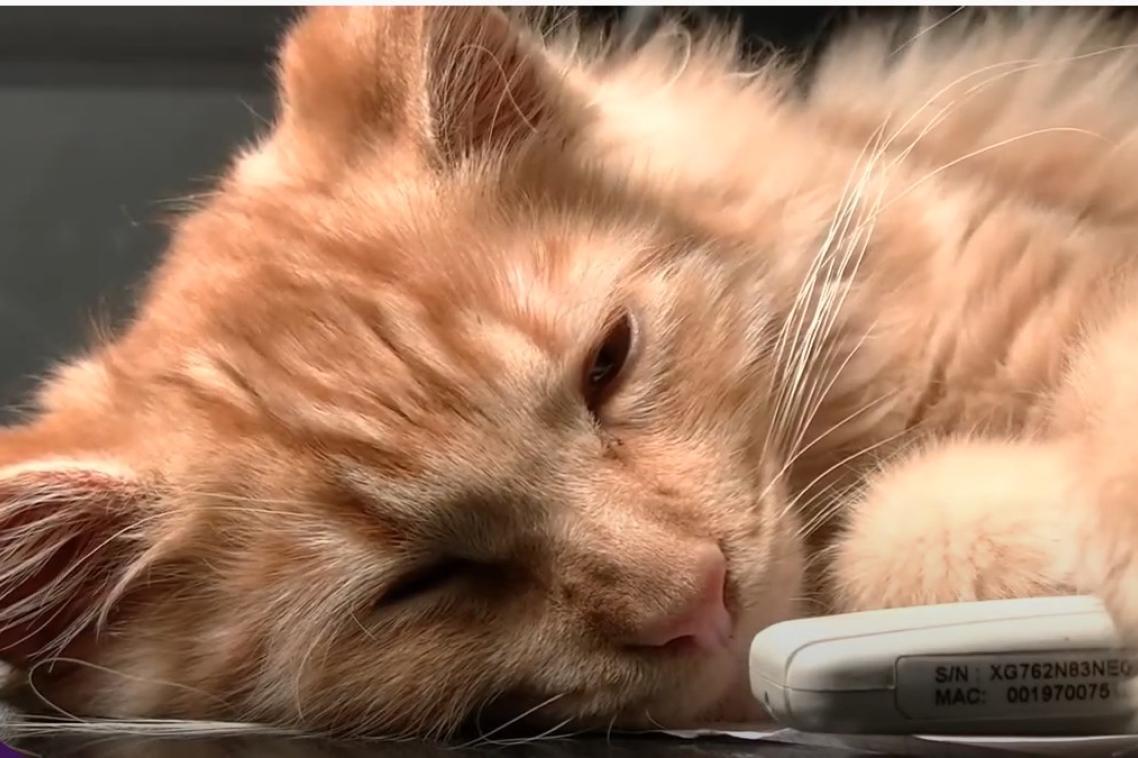
Urinary tract stones in cats and dogs can now be ‘pulverised’ by new laser technology acquired by The University of Queensland’s veterinary hospital.
UQ VETS Small Animal Hospital has introduced an animal version of the laser lithotripsy procedure which breaks down stones using fibre blasting light pulses.
UQ veterinary specialist and lecturer Dr Erika Meler announced UQ VETS has started to use the minimally invasive technology to offer a gentler alternative for pets.
“This technique gently breaks up urinary tract stones and uses the body’s natural passages to get rid of the stone,” Dr Meler said.
“Pulsed laser energy destroys the stones under the guidance of endoscopy, removing the need for a scalpel blade or surgery.
“Pain scores for the pet are lower and it reduces their recovery and hospitalisation time – it means we are able to provide the best possible care for our patients.”
Laser lithotripsy is now being used at the Gatton-based veterinary hospital mostly for dogs suffering from bladder and urethral stones.
The laser can also correct congenital defects in the urinary tracts of dogs known as ectopic ureters.
Versions of the technology have been used on human patients since the 1980s, but this will be one of the first uses of the technology for animal patients in Australia.
“The use of this advanced technology really places us at the forefront of veterinary medicine in Australia,” Dr Meler said.
“UQ VETS is one of the only vet hospitals in Queensland to have a comprehensive team of specialists, including anaesthesiologists and radiologists, who work collaboratively to ensure the best outcomes for patients.
“Combining this new technology with high-level specialist teams puts UQ on the cutting edge of animal medicine.
“We’ll be able to teach our students more innovative ways to treat small animals using laser lithotripsy.
“It will create a whole new generation of vets ready to improve the lives of precious companions.”
Media: Dr Erika Meler, e.meler@uq.edu.au, +61 754 601 788; Dominic Jarvis, dominic.jarvis@uq.edu.au, +61 413 334 924.
For enquiries about the use of this technology for your pet, email the internal medicine department at UQ VETS: uqvets.internalmedicine@uq.edu.au.
Video of the procedure is available here.
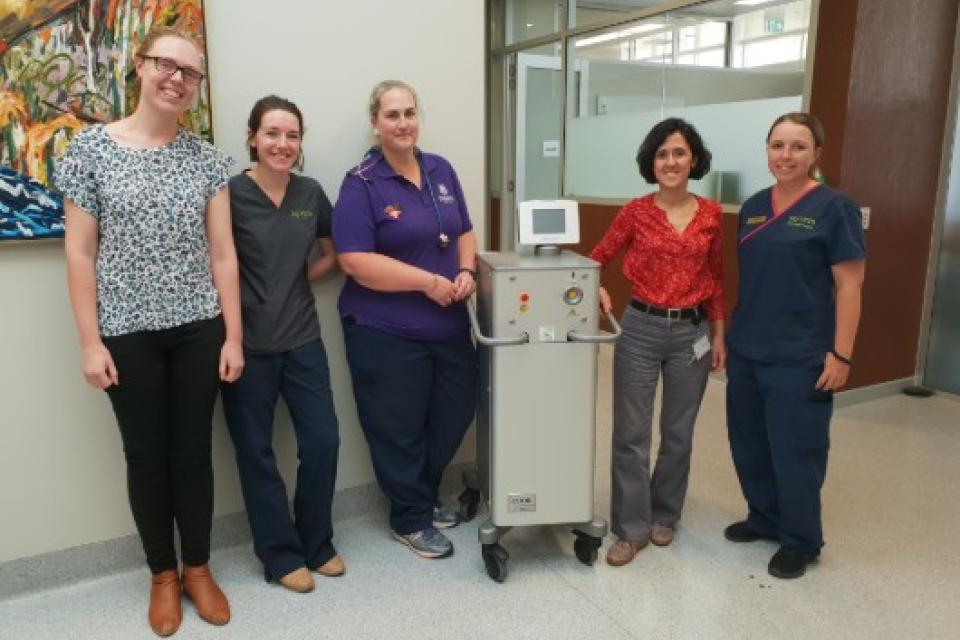
Caption: Veterinarians and veterinarian nurses (L-R) Dr Caitlin Mack, Dr Louise Bird, Melissa Lindert, Dr Erika Meler and Katrina Honeyman with their new laser lithotripsy technology.
Topics
Related articles

Hay fever can strike even when grass pollen concentrations are low
