
Research reveals microplastic content levels in seafood
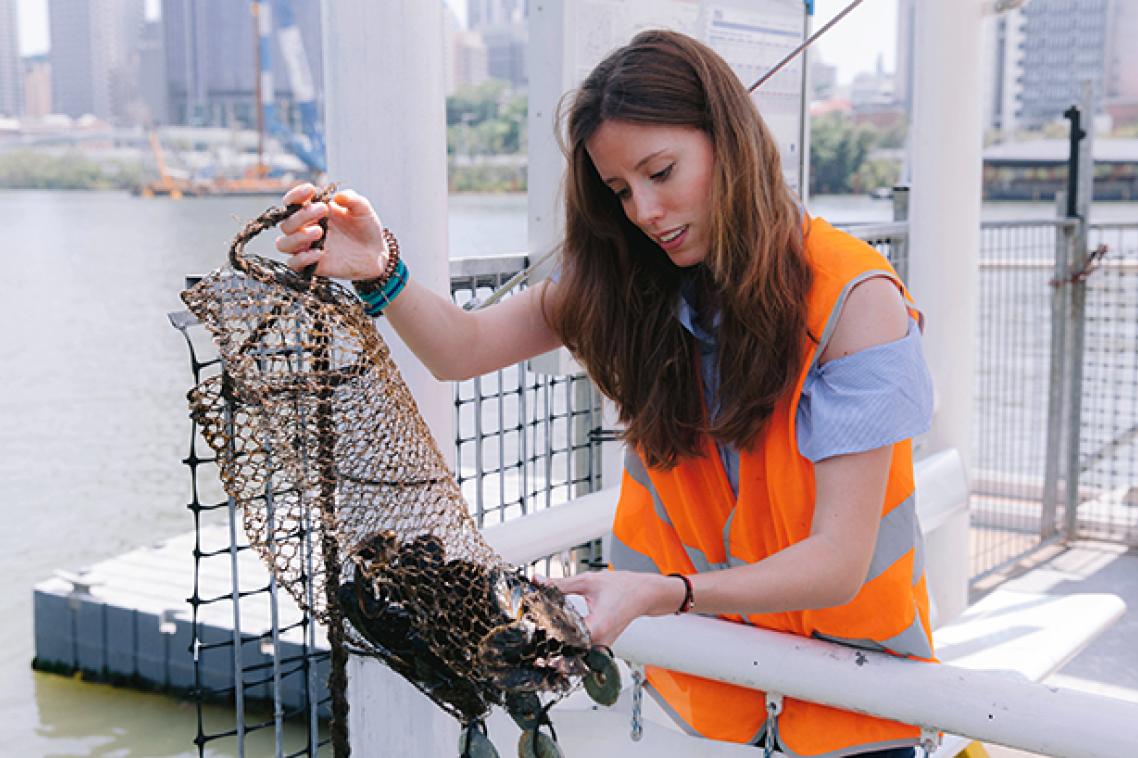
Levels of plastic contamination has been found in samples of popular seafood such as prawns, oysters and crabs, with the highest content found in sardines, according to University of Queensland research.
Lead author PhD candidate Francisca Ribeiro from UQ’s Queensland Alliance for Environmental Health Sciences said the study was an important step to understanding the potential harm microplastics in seafood could have on human health.
“We found polyvinyl chloride – a widely used synthetic plastic polymer – in all samples we tested, but the most common plastic in use today – polyethylene – was the highest concentrate we found,” Ms Ribeiro said.
“From the edible marine species tested, sardines had the highest plastic content, which was a surprising result.
“Another interesting aspect was the diversity of microplastic types found among species, with polyethylene predominant in fish and polyvinyl chloride, the only plastic detected in oysters.”
Microplastics are very small pieces of plastic that pollute the marine environment and are eaten by organisms of all types, from small larvae and planktonic organisms to large marine mammals.
Studies to date show that microplastics not only enter our diet from seafood, but also from bottled water, sea salt, beer and honey, as well the dust that settles on our meals.
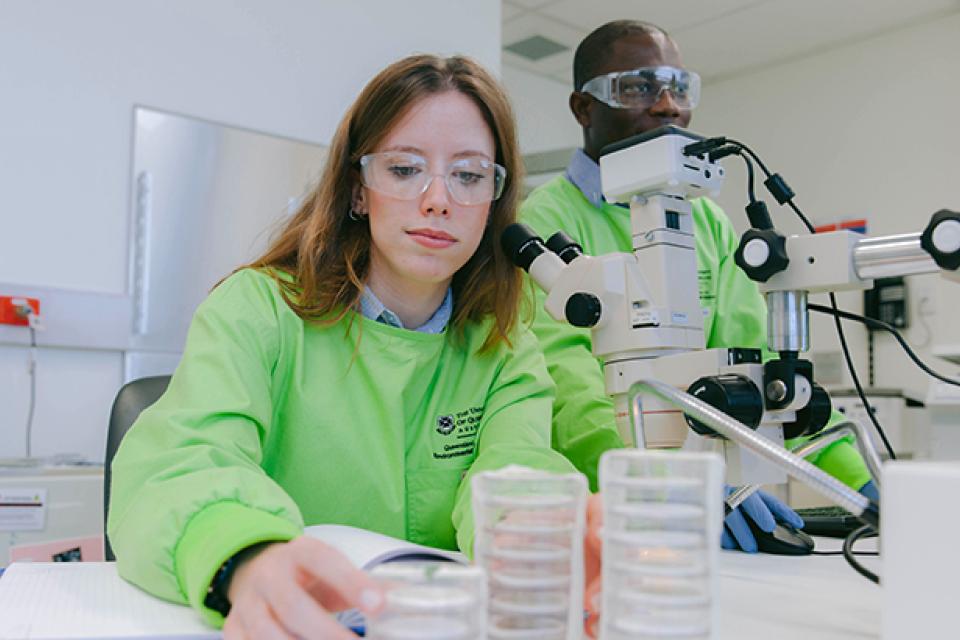
The method developed and used by the UQ research team is a major step forward for plastic quantification techniques in seafood, as it allows results to be reported in a mass unit which hasn’t been done before.
“We can now define what microplastic levels can be considered harmful to human health,” Ms Ribeiro said.
The next phase of the research project is to identify the sources of the plastic contamination found in the seafood tested.
The study has been published in Environmental Science & Technology.
Francisca Ribeiro is currently completing a PhD in the field of environmental toxicology, with a shared scholarship between UQ and the University of Exeter.
Image above: UQ study authors Francisca Ribeiro and Elvis Okoffo analysing microplastics in seafood samples
Media: Kirsten O’Leary, UQ Communications, k.oleary@uq.edu.au, 0412 307 594; Francisca Ribeiro f.ribeiro@uq.edu.au
Related articles

1 in 4 Australians physically abused by parents: study
