Skip to menu Skip to content Skip to footer
News

Move it or lose it: saving species in a changing climate
16 October 2020
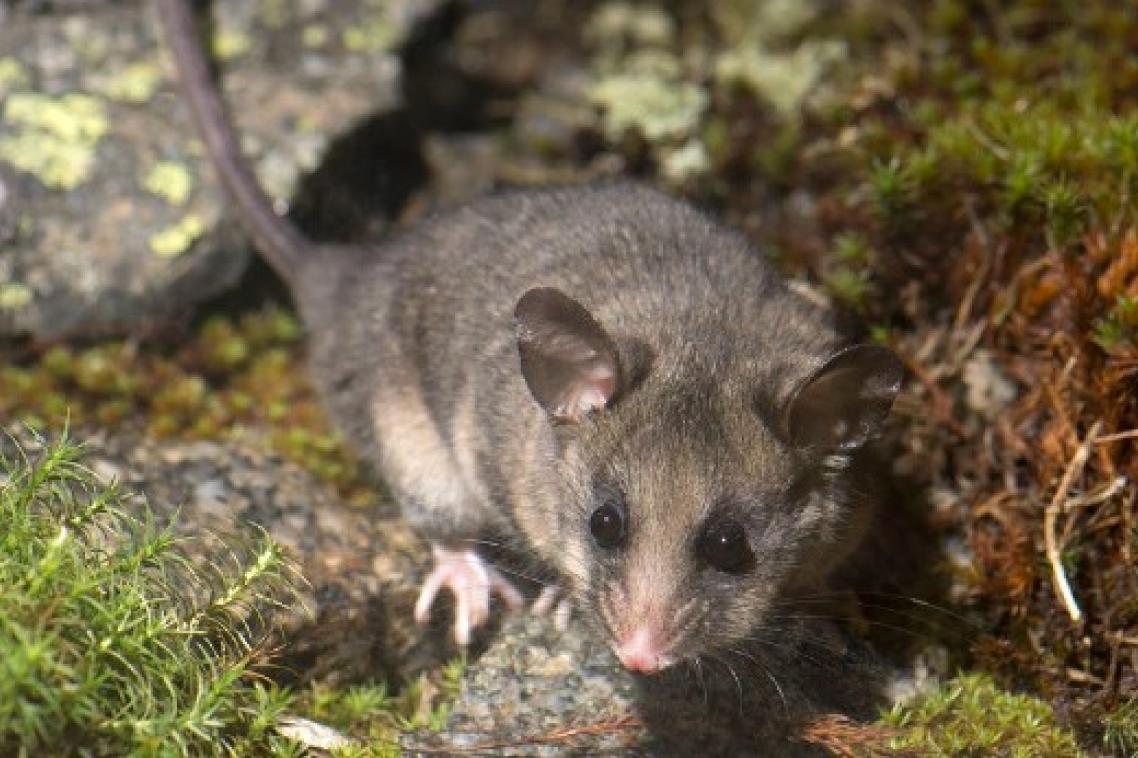
The mountain pygmy-possum.

Humans will need to physically relocate many species to ensure their survival in the face of climate change, University of Queensland-led research recommends.

UQ School of Earth and Environmental Sciences researcher Dr Nathalie Butt said that conservationists must seriously consider expanding their species translocation strategy to stop mass extinctions.

“One in six species could become extinct as a result of climate change,” Dr Butt said.

“And the impacts of climate change, such as increasing temperatures or rising sea levels, mean that some habitats are already becoming unsuitable for species.

“We know that at least 40 per cent of amphibian species, 30 per cent of reef-forming coral species, and a third of all marine mammal species are now threatened with extinction.

“Many species faced with climate change will not be able to adapt and survive in place – they simply won’t be able move to somewhere more suitable on their own because of physical barriers, like cities, or being on top of a mountain.

“If we’re going to protect as many species as possible, we’re going to have to intervene.”
Decorative
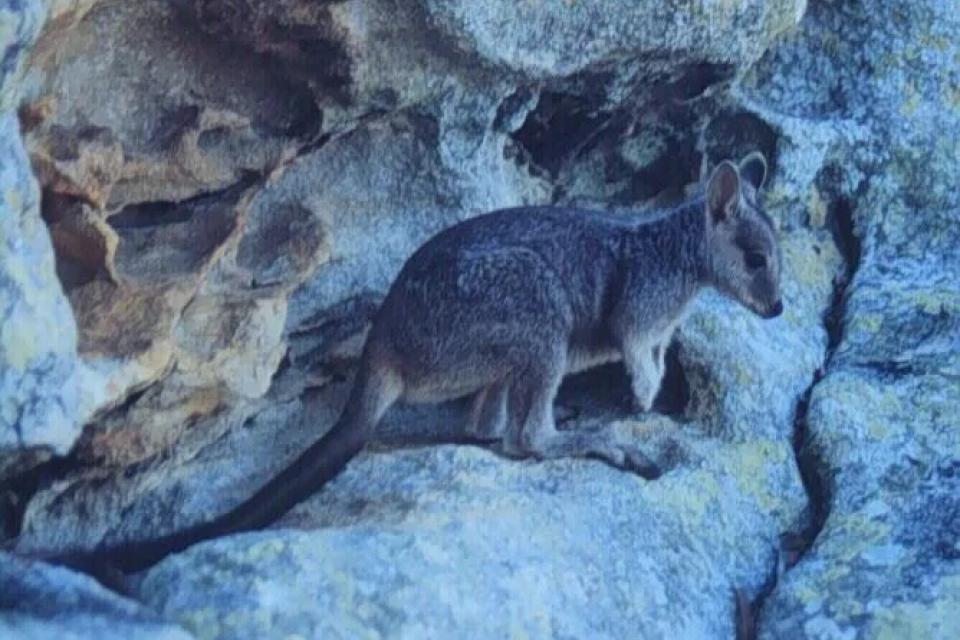
One such species is the Mount Claro rock wallaby, endemic to Australia’s Great Dividing Range.

It’s just one of 26 species on the Range projected to lose its habitat due to increased temperatures.

“The Mount Claro rock-wallaby lives in high, cool areas,” Dr Butt said.

“A lot of its habitat is used by humans for forestry and agriculture, so it will be difficult for the wallaby to move across these landscapes to higher altitudes without help.


“Conservation managers need to actively get involved with these rescues, and soon.

“We can’t simply wait until their habitat is lost.

“A small rodent once found in northern Queensland called the Bramble Cay melomys became the first documented climate change extinction due to rising sea levels.”

Griffith University’s Dr Alienor Chauvenet said the research team was advocating for conservationists and policy-makers to reconsider their strategies to prevent more climate extinctions.

“While hundreds of articles mention species translocation and assisted migration as tools to adapt to climate change, it is rarely practiced,” Dr Chauvenet said.

“Most actions are designed to keep species in their current native locations, with protections applied to their reserves, habitat restorations, tree and vegetation plantings.

“While this is effective and appropriate in many instances, there are plenty of instances where this kind of strategy alone will lead to extinct species. 
Decorative

“There are many barriers to this thinking in the conservation community, such as the risk of introducing an invasive species, socio-political pushback, getting the timing wrong and a lack of understanding.

“We’re advocating for assisted migrations at small scales, translocating species with little invasion risk, adopting robust monitoring protocols that trigger an active response, and promoting political and public support.

“If we can change how conservationists approach translocation of species, we might be able to seriously increase how many animals can survive a climate catastrophe.”

The research has been published in Conservation Biology.

Images from left: The Mount Claro rock-wallaby.

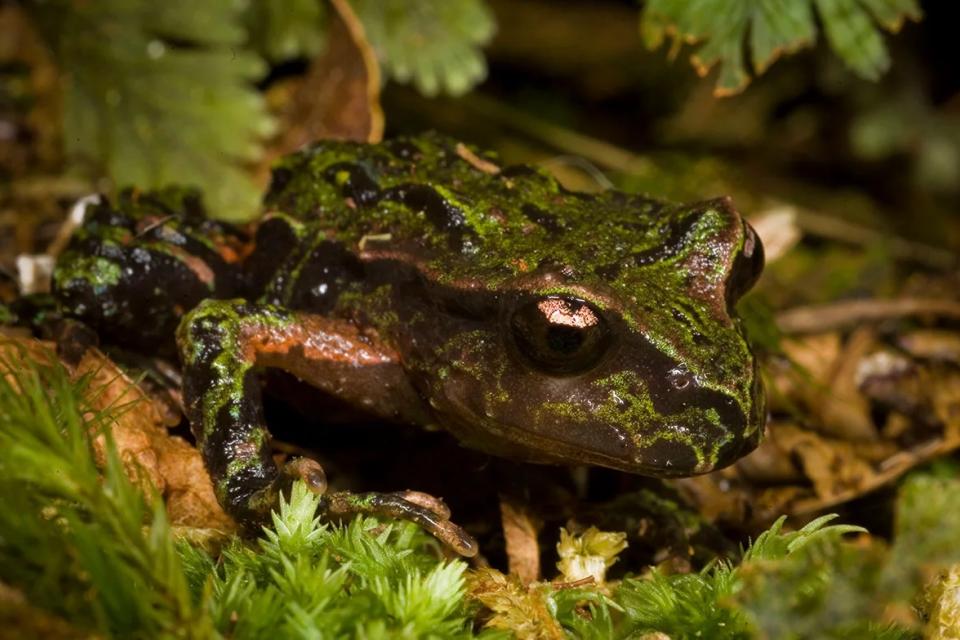
Archey’s frog is a tiny, rare terrestrial amphibian for which translocation outside its current climate envelope is likely to be required to ensure its survival. It is easily contained in in-situ locations, as its capacity to move any distance is limited, and is currently captive-bred at Auckland Zoo, New Zealand, making it an ideal candidate for testing out assisted migration, as conditions of possible new sites could be mimicked as closely as possible, in the zoo or other ex-situ locations, to examine the effects on breeding and survival to test whether assisted migration would be feasible.

Media contact

UQ Communications
communications@uq.edu.au
+61 429 056 139

Related articles

Three researchers wearing blue protective lab gowns stand among rows of potted chickpea plants inside a controlled-environment plant research facility.

Turning up the heat on chickpea yield

A University of Queensland study has outlined a practical pathway for accelerating the development of heat adapted chickpeas using data from new ‘omic’ technologies. PhD candidate Callum Jamie said the suite of technologies offered tremendous opportunities to understand how a complex trait like heat tolerance works. “The narrow genetic diversity in the elite chickpea gene pool has limited conventional breeding’s effectiveness for stress tolerance,” Mr Jamie said. “These technologies have improved our capacity to dissect trait architecture and phenotype secondary traits but their use in chickpeas has been limited.” The technologies include genomics, epigenomics, transcriptomics, proteomics, metabolomics, phenomics and enviromics, and help provide a comprehensive picture of biological systems. Epigenomics helps understand what controls gene activity; transcriptomics considers gene expression; proteomics protein production; metabolomics looks at biochemical processes; phenomics observes traits; and enviromics considers environmental factors influencing outcomes. Mr Jamie said previous studies had focused on just 1 to 2 -omic datasets, a small number of genotypes, and single tissues. This has meant it was hard to infer what results meant for trait architecture and mechanisms and the ability to extrapolate the information to breeding populations was limited. There have also been challenges around cost, scalability and integrating very different types of data to make the technologies useful. To overcome the hurdles, Mr Jamie’s research at the Queensland Alliance for Agriculture and Food Innovation has resulted in a proposed staged approach. It would start with genomic prediction and phenotyping, before adding -omic layers as costs fall and unknowns were resolved. “These technologies are novel and we still don’t know which information provides added value and how best to integrate all of this data to achieve an outcome,” Mr Jamie said. His PhD is supported by the Grains Research and Development Corporation (GRDC) and the International Research Training Group (IRTG) Accelerating Crop Genetic Gain and is aligned to a project which aims to fast-track the development of chickpea varieties adapted to high temperatures. Project leader Dr Millicent Smith said heat stress causes severe yield implications through flower and pod loss, reduced pollen viability and impaired grain filling. “Late sown chickpea is particularly in the firing line across most of Australia's crop in southern Queensland and northern New South Wales,” Dr Smith said. “We want to ensure that Australian growers maintain their competitive edge. “New varieties with improved genetics to cope with heat stress are essential for the future. “This work, suggesting a staged approach to utilising the new -omic technologies, is an exciting frontier.” The research was published by Food and Energy Security. Callum Jamie’s PhD is supported by the Grains Research and Development Corporation (GRDC) and the International Research Training Group (IRTG) Accelerating Crop Genetic Gain.
15 October 2026
Close-up photograph of a red-bellied black snake coiled across pale, weathered wood. The snake has glossy black scales on its back and vivid red coloration along its sides and underside. The image highlights the texture of the scales and the contrast between the dark body and the light wood background.
Analysis

Deadly fungi are harming Australia’s wild reptiles. This is how to stop the spread

With spring underway and the weather warming, reptiles are on the move in suburbs, parks and bushland across Australia. Snake catchers and wildlife carers are responding to calls for help, and reptile enthusiasts – known as “herpers” – are heading outdoors in search of their next sighting.
13 October 2026

Media contact

Subscribe to UQ News

Get the latest from our newsroom.