
Metabolic hormone ‘leptin’ linked to vaccine response
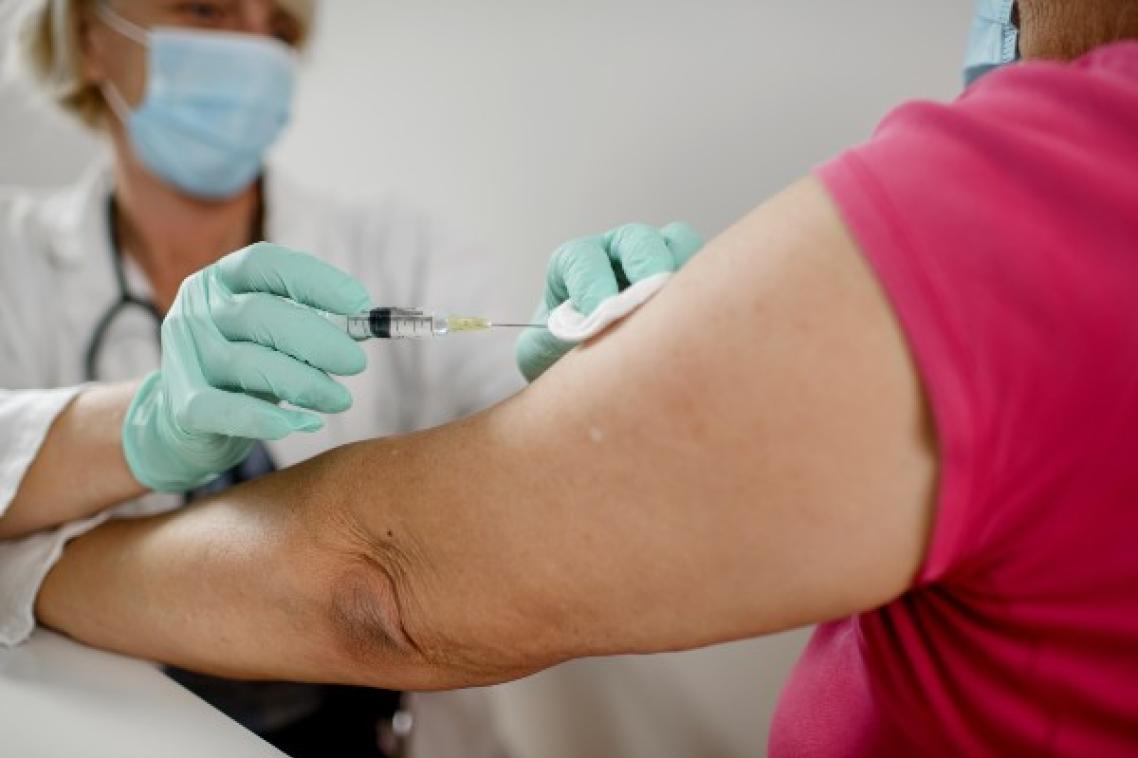
Reduced levels of a metabolic hormone known as leptin is linked to poor vaccine antibody responses in the general population, a University of Queensland study has found.
The researchers made the discovery while investigating several cohorts’ responses to the influenza vaccine or hepatitis B vaccine pre-COVID.
UQ’s Professor Di Yu identified a link between the metabolic and immune systems that could be used to develop new strategies for improving vaccine protection in vulnerable populations.
“Using multiple advanced techniques in immunology, genetics and biochemistry, our study found leptin directly promoted the development and function of cells which are vital in triggering an antibody response,” Professor Yu said.
“In collaboration with global teams, we identified the reduction of an essential metabolic hormone called leptin was associated with compromised vaccine responses in both young and older individuals.
“As a result, we can now identify those who are at risk of not generating an antibody response after vaccination.”
Professor Yu said leptin was a metabolic hormone largely produced by fat tissue.
“Vaccines have been known for a very long time to have a different efficacy for individuals,” he said.
“Although our genetics partially contribute to the difference, other factors are also essential.
“When we are fit and healthy, we have a much better vaccine efficacy.
“If we are healthy, we have a good metabolism and a normal level of leptin, but if we have malnutrition or some disease conditions, we may have a low level of leptin, which limits our vaccine response and immune protection.”
Professor Yu said many people with obesity and high levels of leptin conversely often had leptin resistance which could potentially lead to a poorer vaccine response – an area that should be carefully investigated in the future.
The researchers are keen to test responses to the COVID-19 vaccines to determine biomarkers that could identify those people at risk of not generating a strong vaccine response.
“During the era of the COVID-19 pandemic, the successful vaccination for SARS-CoV-2 is the major hope to bring society back to normalcy,” he said.
“Differing vaccine responses cause a major bottleneck in large-scale vaccination programs.”
The research is published in Nature Communications (DOI: 10.1038/s41467-021-23220-x).
Media: Professor Di Yu, di.yu@uq.edu.au, +61 7 3176 4569, +61 423 339 898; UQ Communication, med.media@uq.edu.au, +61 7 3365 5118, +61 436 368 746.
Topics
Related articles

UQ professor awarded Prime Minister’s Prize for Innovation
