
Pandemic-proofing Australia's education system
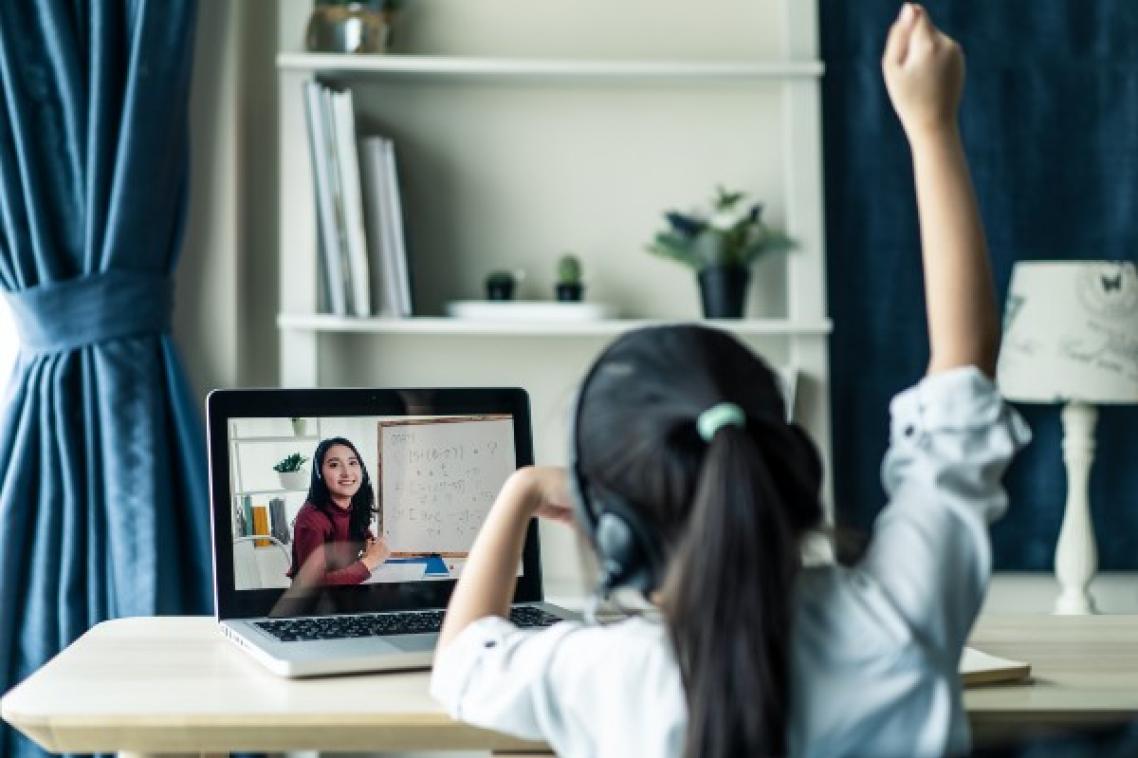
Researchers are urging key decision makers and sector stakeholders to adopt 16 recommendations to help close the educational divide and improve Australia’s treatment of children and young people experiencing disadvantage.

The University of Queensland and Paul Ramsay Foundation Learning through COVID-19 project has explored the impact of the national lockdown on educational disadvantage and provides a roadmap for addressing educational disadvantage in the wake of the pandemic’s disruptions.
UQ’s Institute for Social Sciences Research director Professor Mark Western said this was the first study to present evidence-based solutions to help inform policy.
“More than 60 school and community programs already exist to support children and young people experiencing disadvantage,” Professor Western said.
“But compared to other countries, Australia lacks the same evidence-based support services, leaving us exposed to widening the educational divide.
“More needs to be done to invest in the future of Australia’s children and young people by deploying evidence-based programs that address four priority areas for action.
“Our report gives decision makers, service providers, and potential funders a toolkit for implementing a range of guiding principles for school-based programs that would provide more support services tailored to students during the next potential lockdown or disaster.
“Student mental health, the future roles of teachers and communities, digital equality, and protections for vulnerable students should be the focus of new education policies if governments want to pandemic-proof our children’s future.”
Priority areas for new education policies:
Core Actions:
1a. Provide mental health program
1b. Integrate flexible learning models
1c. Engage parents/carers on mental health
1d. Build teacher capacity on mental health
2a. Provide high dose tutoring
2b. Engage parents/carers in student education
2c. Integrate flexible learning models
2d. Build teacher capacity
2e. Provide free school meals
3a. Build digital literacy among students
3b. Build digital literacy among parents
3c. Support teachers to develop and implement online learning
3d. Facilitate access to digital devices and connectivity
4a. Provide targeted services for the most vulnerable students
4b. Provide targeted family support
4c. Strengthen support networks for children at risk
Paul Ramsay Foundation Chief Executive Officer, Professor Glyn Davis said the effects of COVID-19 played out against an existing system of educational disadvantage in Australia.
“This roadmap is a positive step towards improving the educational outcomes of children who are doing it tough,” Dr Davis.
ISSR researchers analysed large data sets and conducted interviews and focus groups with children and young people experiencing disadvantage, as well as service providers, government, and academic experts to capture and understand which elements of the system of educational disadvantage were directly impacted by COVID-19.
Paul Ramsay Foundation Chief Executive Officer Professor Glyn Davis AC said the findings provided an evidence-based platform for governments and others to act.
“Currently, few Australian-based programs are supporting vulnerable students with rigorous evidence of effectiveness,” Professor Davis said.
“We hope these findings will guide the implementation of school and community-based programs that meet the needs of our vulnerable young people, including those to which governments have already made large commitments.
“The effects of the COVID-19 pandemic are playing out against an existing system of educational disadvantage in Australia, and this roadmap is a positive step towards improving the educational outcomes of children who are doing it tough.”
Find out more about the Learning through COVID-19 project, including the stage 3 findings here.
Topics
Related articles

Shaping the future of medicine: UQ Medical School turns 90
