
Diabetes research challenging but paramount
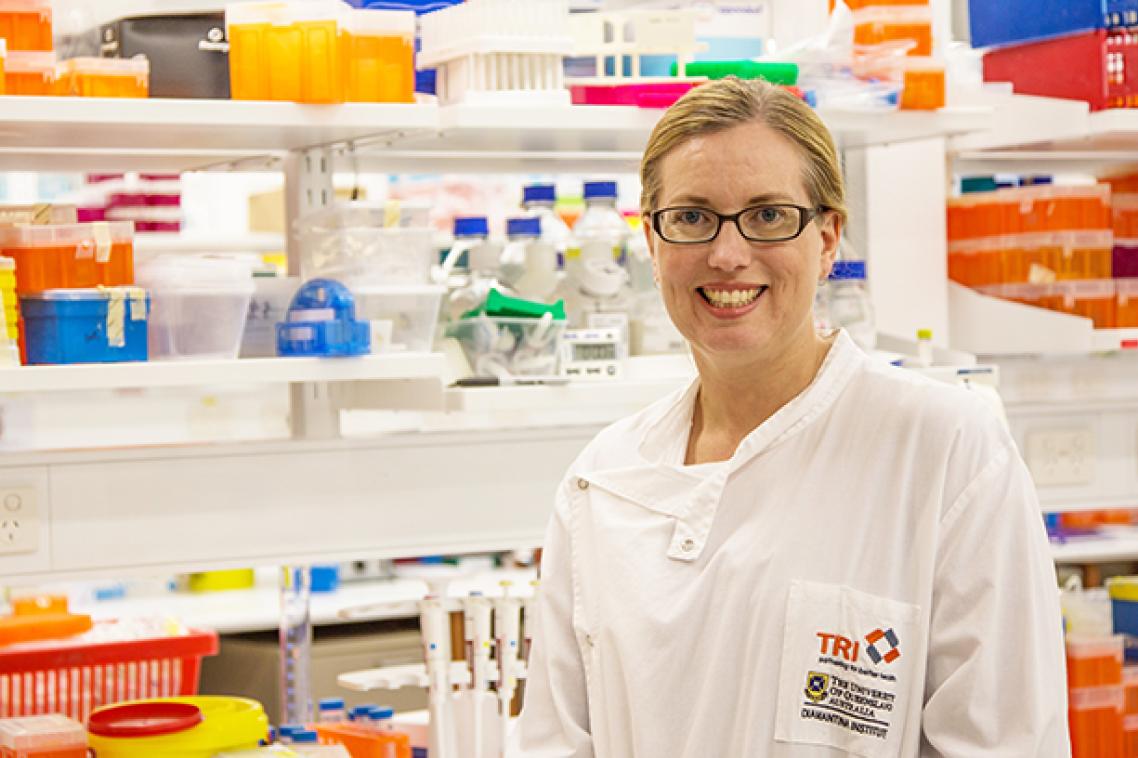
It’s hoped a dietary fibre supplement could one day help manage or prevent type 1 diabetes, with research at The University of Queensland set to progress to the next stage.
UQ Diamantina Institute Associate Professor Emma Hamilton-Williams has used the advent of National Diabetes Week to discuss the importance and challenges of her current research.
“Type 1 diabetes has been steadily increasing over the past 50 years – most likely due to our Western lifestyle – and growing evidence suggests changes in gut bacteria may be at the crux of triggering the disease,” Dr Hamilton-Williams said.
“Targeting the gut microbiota via specialised dietary supplements holds promise as a safe and low-cost approach to prevention, as well as aiding in glucose management.
“We have had some exciting results with recent trials in adults with type 1 diabetes, but we will need to analyse stool samples to determine whether the diets are working as we expect, and if everyone reacts the same way.
“Our next step is to trial if a specialised dietary fibre supplement is safe to use in children with type 1 diabetes and whether it increases beneficial gut bacteria.”
This year’s National Diabetes Week promotional theme revolves around destigmatising the condition, asking people to put themselves in the same position as those with diabetes.
Advertising features phrases such as ‘Would you mind being judged every time you eat?’, ‘Would you mind being shamed for taking medication?’ and ‘Would you mind being blamed for a condition anyone can get?’.
The tagline is ‘Nobody chooses diabetes’.
Dr Hamilton-Williams said funding for diabetes research had declined over the past decade and was concerned funding for her current line of research would run out before trials were complete.
“With our current funding, we will only be able to undertake very limited analysis of the biological samples collected,” Dr Hamilton-Williams said.
“Further resourcing will allow our research to deliver much greater depth of information and bring the community closer to viable methods of management and prevention of type 1 diabetes.”
An estimated 130,000 Australians have been diagnosed with type 1 diabetes and must keep their blood glucose within safe levels through daily insulin injections or use of an insulin pump.
Media: Associate Professor Emma Hamilton-Williams, e.hamiltonwilliams@uq.edu.au , +61 7 3443 6989; UQ Communications, med.media@uq.edu.au , +61 7 3365 5118, +61 448 410 364.
Topics
Related articles

Sick of being told to ‘just lose weight’? Health promotion shouldn’t come with weight stigma
