
Flipping the gut microbiome–autism link on its head
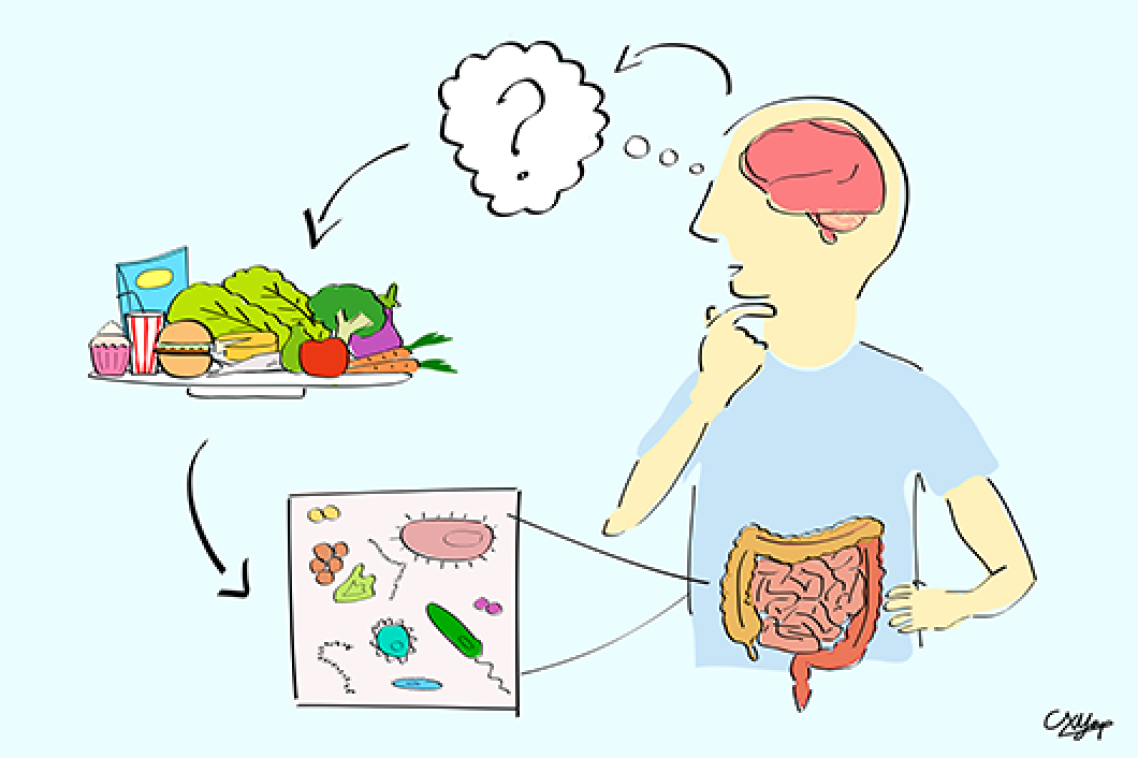
A new Australian collaborative Autism CRC study, led by Mater Research and The University of Queensland, has challenged the growing popular belief that the gut microbiome drives autism.
The study’s findings may put the brakes on the experimental use of microbiome-based interventions such as faecal microbiota transplants and probiotics, that some believe may treat or minimise autistic behaviours.
The researchers found changes in the gut microbiome of people on the autism spectrum appear to be due to “fussy eating”, which is more common among autistic children due to sensory sensitivities or restricted and repetitive interests.
Lead author Chloe Yap from Mater Research and The University of Queensland said the team examined genetic material from stool samples of 247 children, including 99 children diagnosed with autism.
“While it’s a popular idea that the microbiome affects behaviour, our findings flip that causality on its head,” said Ms Yap, who is completing her medical degree and PhD at UQ.
“We found that children with an autism diagnosis tended to be pickier eaters, which led them to have a less-diverse microbiome, which in turn was linked to more-watery stools.
“So, our data suggests that behaviour and dietary preferences affect the microbiome, rather than the other way around.”
Dr Jake Gratten, the head of Mater Research’s Cognitive Health Genomics Group and Honorary Senior Research Fellow at UQ's Institute for Molecular Bioscience said out of more than 600 bacterial species identified in the gut-microbiomes of study participants, only one was associated with a diagnosis of ASD.
“There’s been a lot of hype around the gut microbiome in autism in recent years, driven by reports that autistic children have high rates of gut problems, but that hype has outstripped the evidence,” he said.
“We are already seeing early clinical trials involving faecal microbiota transplants from non-autistic donors to autistic people, despite not actually having evidence that the microbiome drives autism.
“Our results suggest that these studies are premature.”
Autism CRC Research Strategy Director, Professor Andrew Whitehouse from the Telethon Kids Institute and University of Western Australia said the findings provide clarity to an area that has been shrouded in mystery and controversy.
“These hugely important findings provide clear evidence that we need to help support families at mealtimes, rather than trying fad diets,” he said.
Brisbane autistic woman Trudy Bartlett said the research findings provided an important step forward for the autism community.
“Having evidence-based research like this study will help members of the autism community to navigate this space and not spend copious amounts of money and time on fads that claim to improve the quality of life for an autistic person,” she said.
The collaborative study was funded by the Autism CRC and involved more than 40 researchers from Mater Research, The University of Queensland, Telethon Kids Institute, University of New South Wales, Children’s Health Queensland, La Trobe University, Queensland University of Technology and Microba Life Sciences.
The research findings can be accessed on the Cell website, DOI 10.1016/j.cell.2021.10.015
Autism CRC receives funding from the Australian Government. The Australian Autism Biobank is an initiative of Autism CRC.
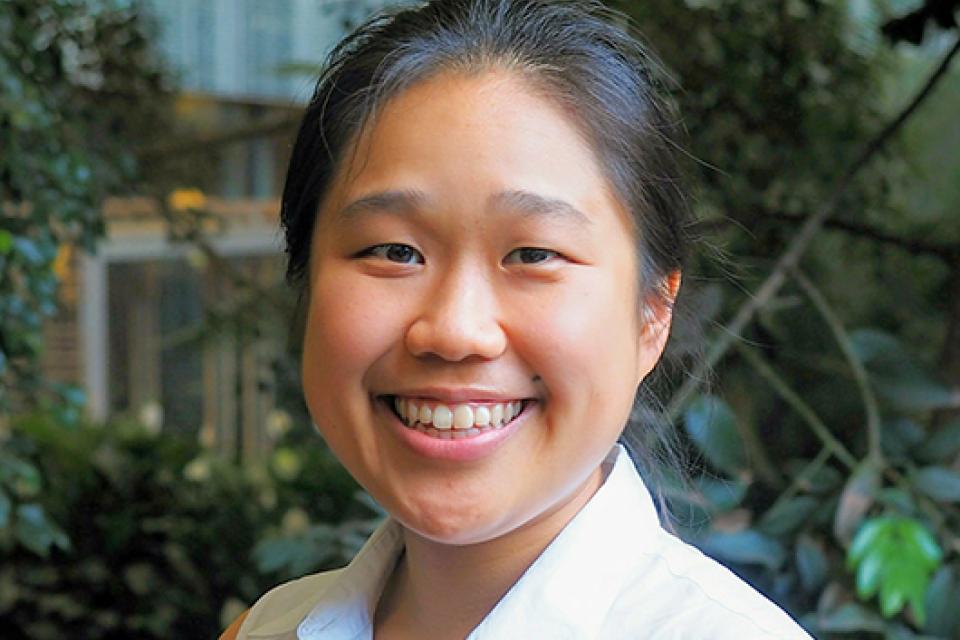
Image above left: Chloe Yap, Mater Research and UQ.
Media: UQ Media and Communications, communications@uq.edu.au, +61 (0)429 056 139; Gail Burke, gail.burke@mater.org.au or +61 421650 728.
Related articles

Doping Control Officer course delivered for first time in Australia
